
Ozempic has become one of the most talked-about medications in recent years - used to manage type 2 diabetes and, increasingly, for weight loss. But if you or someone you know is taking it, there's something important to know: what you eat while on Ozempic can make a big difference in how well you feel and how effective the treatment is.
The good news is that no foods are technically "forbidden." But some choices can seriously amplify the drug's side effects - especially the digestive ones - while others can actively support your goals. Here's a practical guide to help you navigate your plate.
Why Food Choices Matter on Ozempic
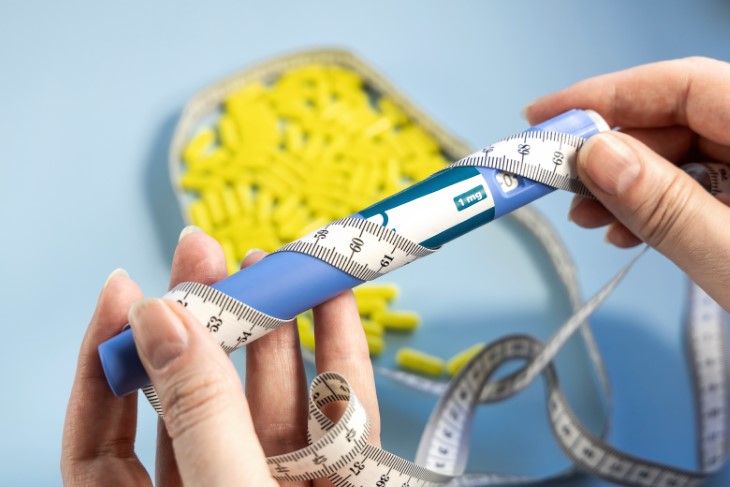
Ozempic works by slowing digestion, reducing appetite, and helping regulate blood sugar. This means your stomach is already working differently than usual. Eating the wrong things can intensify common side effects like nausea, bloating, heartburn, and diarrhea - which nobody wants to deal with.
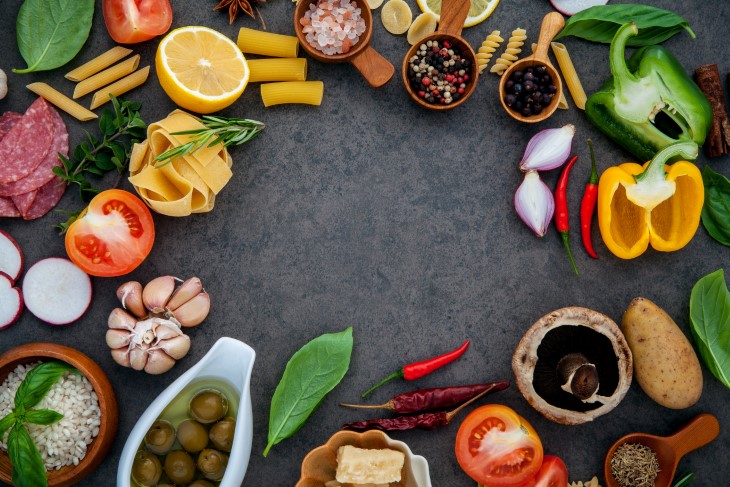
There's also a longer-term reason to be thoughtful: studies show that people who stop taking Ozempic without having built solid eating habits tend to regain a significant portion of the weight they lost. Think of the medication as a window of opportunity to develop habits that actually stick.
Foods to Limit or Avoid
Sugary foods and drinks - Sodas, candy, cookies, cakes, and sweetened cereals can spike your blood sugar and work against Ozempic's core purpose. They're also easy to overdo when you're not feeling your best. And don't forget to check food labels - plenty of seemingly innocent products contain a surprising amount of added sugar.
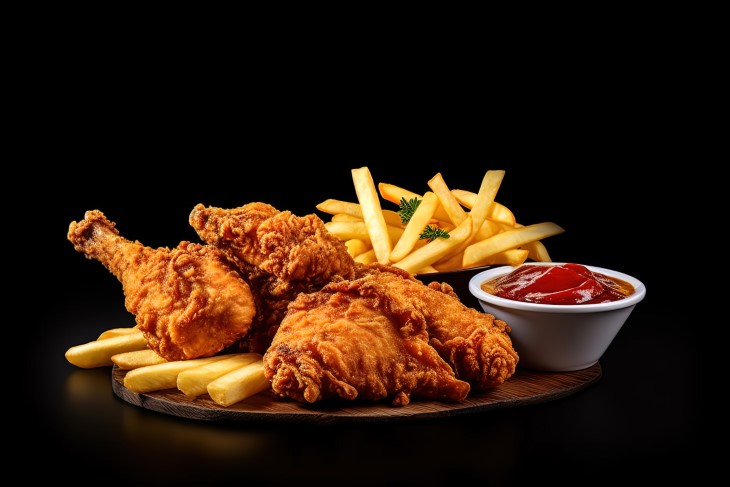
Greasy and fried foods - Think fast food, fatty cuts of meat, and heavy dairy. These are some of the biggest triggers for nausea and stomach pain when you're on Ozempic. Your digestive system is already slower, and high-fat foods make it work even harder.
Ultra-processed foods - Frozen meals, canned soups, and processed meats tend to be loaded with sodium and saturated fats - a double problem.
Refined carbohydrates - White bread, white rice, and regular pasta lack fiber and cause blood sugar spikes that make Ozempic's job harder. Swap them for whole-grain versions whenever possible.
Spicy foods - Even if you normally handle heat well, spicy dishes can cause heartburn and acid reflux when combined with Ozempic's effects on your digestive system.
Alcohol and caffeine - Both can irritate your stomach lining and worsen diarrhea. Coffee in particular increases stomach acid and stimulates gut contractions - not a great combination when you're already experiencing digestive sensitivity. That said, if constipation (rather than diarrhea) is your issue, a morning coffee might actually help get things moving.
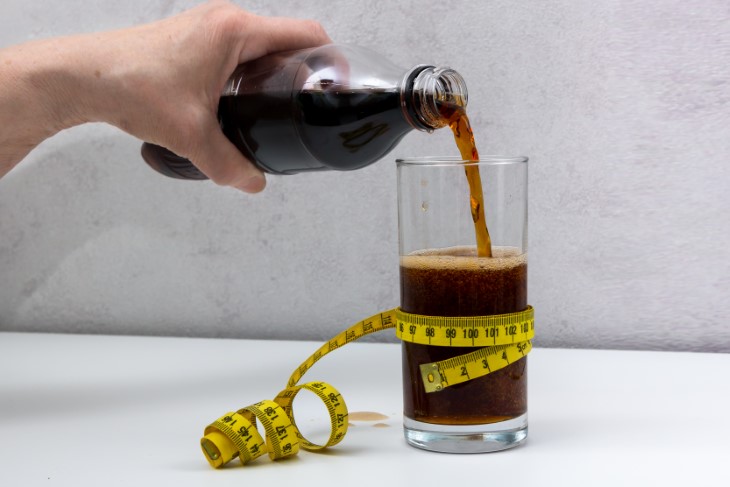
Diet sodas - They may seem like a safe swap, but artificial sweeteners can increase appetite and may interfere with insulin regulation - potentially undermining your treatment goals.
What You Should Be Eating
The goal is nutrient-dense, easy-to-digest whole foods that support your body while Ozempic does its job.
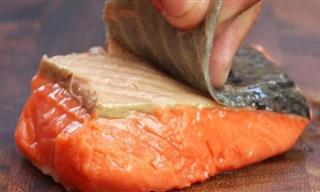
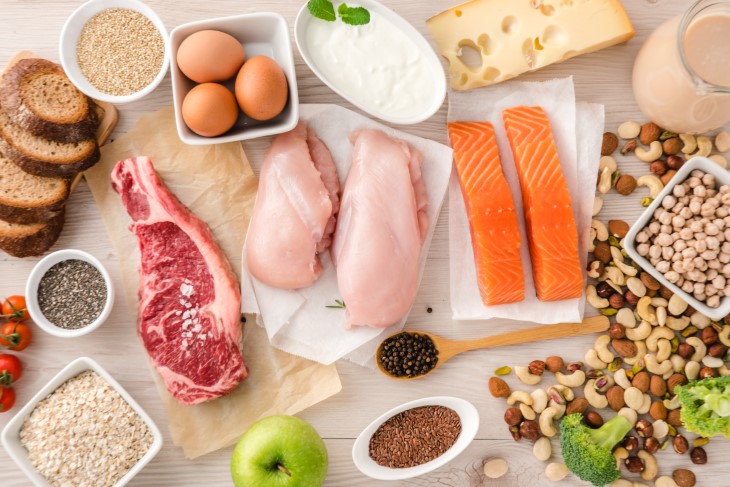
Prioritize protein - and get specific about it. Lean proteins are your best friend on Ozempic. Skinless chicken or turkey, fish, eggs, and plant-based options like lentils, beans, and tofu help preserve muscle mass during weight loss - which matters more than most people realize, since the medication can cause muscle loss alongside fat loss. Aim for around 60 grams of protein a day as a baseline. For reference, that's roughly a Greek yogurt at breakfast, some grilled chicken at lunch, and a serving of fish or legumes at dinner.
Choose whole fruits over juice. Bananas, apples with the skin on, pears, and peaches are all great choices. Stick to whole fruit rather than juice so you get the fiber benefit and a slower rise in blood sugar.
Upgrade your carbs. Brown rice, whole-wheat pasta, oats, and quinoa are your go-to options. Use olive, canola, or peanut oil instead of butter, and snack on nuts and seeds like walnuts, almonds, and chia seeds.
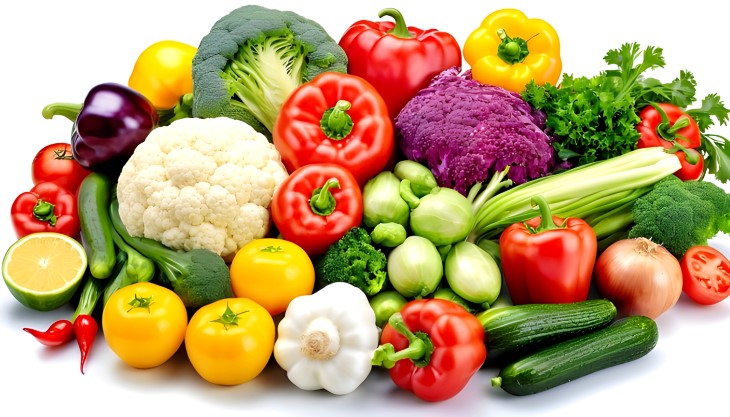
Load up on vegetables. Non-starchy vegetables like spinach, kale, carrots, and zucchini are ideal. Broccoli and cabbage are nutritious but go easy on them if you're prone to bloating - they're high in FODMAPs, which can worsen gas.
A Simple Plate Formula
When building a meal, think in thirds: fill half your plate with non-starchy vegetables, a quarter with lean protein, and a quarter with whole grains or complex carbohydrates. This naturally keeps calories in check without requiring you to count anything.
There's also growing evidence that the order in which you eat matters. Starting your meal with vegetables and protein before moving on to carbohydrates helps stabilize blood sugar more effectively than eating everything together or leading with the bread.
Dealing with Nausea
If nausea hits - which is especially common when you first start the medication or increase your dose - go bland. Toast, crackers, boiled potatoes, applesauce, and bananas are your allies. Peppermint or ginger tea can also help settle the stomach. Stay hydrated with water, broths, or ginger-based drinks. And instead of three big meals, try eating smaller portions more frequently throughout the day - an overly full stomach is one of the main triggers for Ozempic-related discomfort. It also helps to eat slowly, since Ozempic already slows gastric emptying and eating too fast can make you feel worse.
One more tip: try not to eat too close to bedtime. Lying down on a slow-digesting stomach is a reliable recipe for discomfort.
Don't Forget to Supplement
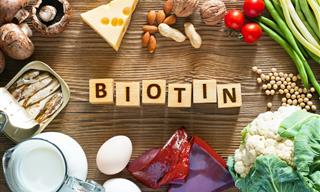
Because Ozempic significantly reduces appetite, many people end up eating less than their body needs - which can lead to gaps in key nutrients. Consider adding a high-quality multivitamin to your routine, and pay particular attention to vitamin B12 and iron, which are commonly under-consumed. It's worth discussing with your doctor what makes sense for your specific situation.
Move Your Body Too
Diet alone isn't the full picture. Exercise - especially strength training - helps preserve muscle mass and improves your body's sensitivity to insulin, making Ozempic more effective. Even a short walk after meals has been shown to lower post-meal blood sugar levels. Aim for at least 150 minutes of moderate activity per week, plus two or three strength sessions.
The Bottom Line
Ozempic works best when paired with a healthy lifestyle - and that starts with what's on your plate. Avoiding greasy, sugary, spicy, and highly processed foods can dramatically reduce side effects and help you get the most out of your treatment. When in doubt, stick to simple, whole foods, eat slowly, and listen to what your body is telling you. The habits you build now are the ones that will serve you long after the medication is gone.