
As we age, our bodies go through many changes — some you can feel, some you can’t. But one thing is certain: what you eat becomes even more important with time.
Aging can lead to nutrient deficiencies, muscle loss, and lower energy. You might not feel as hungry or thirsty, but your body still needs fuel — and the right kind. The good news? With smart food choices and some key supplements, you can stay strong, healthy, and independent for longer.
Here’s how your nutritional needs change with age — and what you can do about it.

As you age, your body starts to work a little differently:
You lose muscle.
Your skin gets thinner.
Your stomach makes less acid.
That lower stomach acid makes it harder for your body to absorb certain nutrients — like vitamin B12, calcium, iron, and magnesium.
To make things more complicated, you need fewer calories but more nutrients. That means every bite has to count. Plus, your sense of hunger and thirst may fade with age. You might not feel like eating or drinking, but your body still needs it.
What to do:
Eat a variety of nutrient-rich whole foods. If your appetite is small, consider taking supplements to fill the gaps.

Older adults often burn fewer calories because of less physical activity and lower muscle mass. Keep eating the way you did at 30, and you could easily gain extra fat — especially around the belly.
This is even more common in postmenopausal women due to lower estrogen, which encourages fat storage.
But while you need fewer calories, your need for nutrients stays the same — or even goes up.
Key nutrients to prioritize:
Protein
Vitamin D
Calcium
Vitamin B12
What to do:
Fill your plate with lean meats, fish, vegetables, fruits, and whole grains. Skip the empty calories — soda, sweets, processed junk — and make every bite count.

Muscle loss is a real concern after age 30. On average, adults lose 3–8% of muscle mass each decade. This condition is called sarcopenia, and it can lead to weakness, falls, and a lower quality of life.
But there’s hope: Protein helps protect your muscles.
One study found that seniors who ate the most protein lost 40% less muscle than those who ate the least. Another showed that combining protein with strength training worked even better.
What to do:
Add protein to every meal. Good options include eggs, chicken, fish, Greek yogurt, tofu, and beans. If your appetite is small, try smoothies or protein-rich snacks.

Constipation is a common issue, especially after age 65 — and even more so for women. It can be caused by medications, less movement, and changes in the gut.
Fiber helps relieve constipation by forming bulk and making bowel movements more regular. It also lowers the risk of diverticular disease, a painful condition where pouches form in your colon — something up to 50% of people over 50 in Western countries deal with.
What to do:
Eat more fiber-rich foods like oats, beans, lentils, vegetables, fruits, and whole grains. Drink plenty of water to help fiber do its job.

Your bones get weaker as you age. That’s why calcium and vitamin D are essential.
Calcium builds and maintains strong bones.
Vitamin D helps your body absorb calcium.
Unfortunately, aging makes it harder to absorb calcium and produce vitamin D from sunlight. That puts you at higher risk of fractures and bone loss.
What to do:
Eat dairy, leafy greens, and calcium-fortified foods.
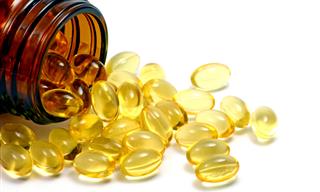
Get vitamin D from fatty fish like salmon and herring, or supplements like cod liver oil.
Talk to your doctor about getting your levels checked.
Vitamin B12 keeps your blood and brain healthy. But about 10–30% of people over 50 have trouble absorbing it from food.
That’s because B12 in food is tied to proteins, and your stomach acid has to separate it first. Less acid = less B12 absorption.
Vegetarians and vegans are even more at risk because B12 is mostly found in animal products like eggs, meat, fish, and dairy.
What to do:
Consider taking a B12 supplement or eating fortified foods — which contain a form of B12 your body can absorb easily.
Here are a few more nutrients that deserve a spot on your radar:
Potassium – Lowers risk of high blood pressure, heart disease, kidney stones.
Magnesium – Supports muscles, nerves, and bone health. Often low in older adults.
Omega-3 fatty acids – Protect the heart and reduce inflammation.
Iron – Prevents anemia and supports oxygen flow in the body.
What to do:
Eat a diet rich in fruits, vegetables, lean meats, fish, nuts, and legumes. If you follow a vegan or vegetarian diet, talk to your doctor about iron and omega-3 supplements.

Your body is about 60% water — and you lose water constantly. But as you age, your brain’s ability to recognize thirst weakens. Your kidneys also lose function, making it harder to conserve water.
Dehydration in older adults can lead to:
Fatigue
Poor absorption of medications
Worsening health conditions
What to do:
Drink water regularly, even if you’re not thirsty. Try having a glass with every meal. Carry a water bottle with you. You can also get water from fruits, soups, and herbal teas.

Many older adults lose their appetite due to:
Hormonal changes
Medications
Tooth loss
Loneliness or depression
Reduced taste and smell
This can lead to weight loss, fatigue, and deficiencies.
What to do:
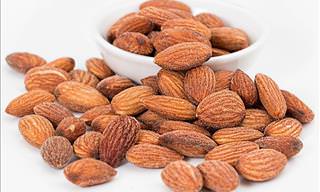
Eat smaller meals more often. Focus on nutrient-dense snacks like:
Nuts and seeds
Cheese
Hard-boiled eggs
Greek yogurt
Smoothies with fruit and protein
Make eating a routine — not a chore.
Aging changes your body, your appetite, and your ability to absorb nutrients. But it doesn’t have to lead to weakness or poor health.
Here’s what works:
✅ Eat real, whole foods.
✅ Drink enough water.
✅ Get enough protein, fiber, calcium, vitamin D, and B12.
✅ Move your body!
✅ Take supplements if needed.
With the right nutrition, you can stay sharp, strong, and healthy — no matter your age.