
When it comes to maintaining youthful, healthy-looking skin, we have an unchallenged queen - collagen sits at the top of the list. This essential protein is the foundation of firm, elastic, and plump skin—the hallmarks of a youthful complexion we all want to preserve. Collagen (a protein) provides structural support, firmness, and elasticity for the skin.
The unfortunate reality is that our collagen levels begin declining in our 20s, with the effects becoming increasingly visible in our 30s. This gradual decline continues throughout our lives, accelerating during menopause when hormonal shifts further impact collagen production.
The consequences of collagen loss are significant. Our skin becomes thinner and loses its firmness and elasticity, making fine lines and wrinkles more pronounced while contributing to overall skin laxity.

The beauty market is flooded with collagen-infused products promising to reverse aging, but collagen creams may not deliver what you'd expect. The fundamental limitation? Collagen molecules are too large to penetrate skin, so they sit on the surface, acting as moisturizers that can make skin smoother, plumper, and firmer, albeit temporarily. However, they do not stimulate collagen production or integrate into the skin network.
While topical collagen won't penetrate deeply, there are proven strategies to boost your skin's natural collagen production at home. Let's have a look at them, shall we?
Daily sun protection is the single most effective way to prevent collagen loss—and starting young is crucial. Sun exposure causes skin damage and triggers inflammation in fibroblasts, the cells responsible for producing collagen building blocks. This damage reduces their ability to create collagen precursors while simultaneously breaking down existing collagen.
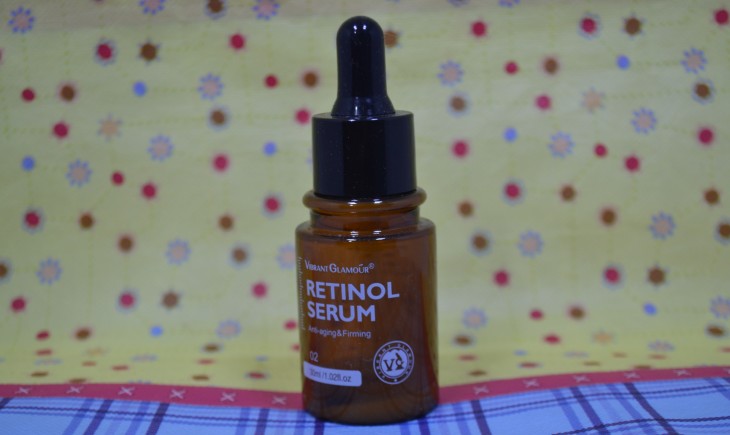
Retinol has earned its reputation as a skincare miracle worker, and its collagen-boosting abilities are particularly impressive. Retinoids are thoroughly researched ingredients proven to increase collagen production and improve overall skin appearance through multiple mechanisms: stimulating fibroblasts to produce new collagen, inhibiting collagen-breaking enzymes, and accelerating epidermal cell turnover to keep the dermis dense and promote collagen growth.
Retinol's ability to boost both collagen and elastin production leads to improved overall skin texture.
Peptides—short chains of amino acids—serve as the building blocks of proteins like collagen. These compounds can essentially trick the skin into producing more collagen by acting as cellular messengers.

Peptides work through various pathways to boost and protect collagen, including signaling skin cells, delivering ingredients, and blocking enzymes that break down collagen. However, not all peptide serums target collagen directly; some focus on supporting functions like hydration or barrier strengthening. For instance, neurotransmitter peptides act as muscle relaxants for immediate wrinkle reduction rather than actively supporting collagen production.
Modern technology offers numerous tools to support collagen production from the comfort of home. Devices such as micro-needling rollers, red light therapy masks, and radiofrequency devices can stimulate collagen, though they're generally less powerful than professional treatments. Success depends on consistency and proper use.

At-home lasers—both fractional types like the Tria Laser and non-fractional options like the Nira Pro Laser and Lyma Laser—stimulate collagen by creating controlled micro-wounds that trigger the skin's healing response, encouraging fibroblasts to produce more collagen. LED light devices and masks can also stimulate or activate these collagen-producing cells.
Vitamin C deserves special attention in any collagen-supporting routine. Antioxidants like vitamin C protect against free radical damage while stimulating new collagen production. Research confirms that vitamin C is essential for collagen synthesis, and since our bodies cannot produce it, we must obtain it through diet and topical application.

Vitamin C supports the enzymes responsible for strengthening and connecting collagen fibers, indirectly improving collagen stability and structure. Additionally, its powerful antioxidant properties neutralize free radicals and decrease inflammation—both factors that can break down and weaken collagen.
Beyond skincare products and devices, your daily habits significantly impact collagen levels. Maintaining a healthy diet, exercising regularly, and managing stress all support overall collagen health. Limiting alcohol consumption and avoiding smoking are also crucial lifestyle modifications for maintaining skin health.
Understanding collagen's composition helps inform dietary choices. While several types of collagen exist, Types I, II, and III are most prevalent in the human body. All collagen consists of amino acids including glycine, proline, and hydroxyproline, though it lacks tryptophan, an essential amino acid that must be obtained through food.
Collagen-rich foods include bone broth, chicken with skin, fish with skin and bones, tough cuts of meat like pot roast or chuck steak, and gelatin. Additionally, incorporating vitamin C-rich foods like citrus fruits, red bell peppers, and strawberries supports collagen formation while protecting skin from oxidative stress.
While collagen supplements can be beneficial, we really must tell you that they should supplement—not replace—other collagen-supporting strategies. Research suggests that daily doses ranging from 2.5 to 15 grams can provide benefits, though visible results typically require one to three months of consistent use. Try to take them while you eat or right after you eat for best absorption.
Hydrolyzed collagen or collagen peptides show particular promise in studies for improving skin elasticity, hydration, and reducing wrinkles. Choosing a product that includes vitamin C can enhance the effectiveness of collagen peptides. However, quality matters—look for supplements that are third-party tested by reputable organizations like USP or NSF for safety, purity, and potency.
Something important to consider: collagen supplements derive from animal sources like bovine, chicken, or fish, making them unsuitable for vegans and vegetarians. Those with shellfish or seafood allergies should avoid marine collagen, as it can trigger allergic reactions depending on sourcing and processing.
Upgrading your collagen routine is simple on its face, it does require a comprehensive approach combining sun protection, targeted skincare ingredients like retinol and peptides, potentially beneficial devices, and lifestyle factors including diet and stress management. While no single product or strategy can completely reverse collagen loss, a well-rounded routine that doesn't neglect proper nutrition can help maintain and support your skin's collagen network for healthier, more youthful-looking skin. We wish you only health and beauty.