Take a moment and check the tag on the shirt you're wearing right now. Do you actually know what it's made of? If you've been feeling itchy, scratchy, or just plain uncomfortable in your own clothes lately, the answer to that little label might explain a whole lot.
Many of us have had the experience of falling in love with a soft new shirt at the store, only to find that after a few washes it feels rough, clingy with static, or strangely irritating against the skin. More often than not, the culprit isn't your skin getting fussier with age - it's the fabric itself. And once you know what to look for, shopping becomes a whole lot easier.
Skin irritation from clothing usually comes down to a few simple causes: friction against the skin, rough texture, or fabrics that trap heat and moisture against the body. As we get older, our skin tends to become thinner and more reactive, so these everyday irritations can feel much more pronounced than they used to.
Sometimes the real troublemaker isn't the fabric at all, but the laundry detergent or fabric softener you're using. If you suspect that's the case, switching to a fragrance-free, hypoallergenic detergent can make a world of difference.
But often, the fabric itself - or the chemicals it was treated with during manufacturing - is to blame. You might be surprised to learn that some clothing (even baby clothing!) is treated with formaldehyde to keep it from wrinkling. Yes, the same formaldehyde that's a known carcinogen. Even fabrics labeled "eco-friendly" can sometimes be treated with similar chemicals.
A simple rule of thumb: Always wash brand-new clothing before wearing it. Between the dust from storage and the chemicals from manufacturing, your skin will thank you for that first trip through the washing machine.
And don't forget the small annoyances that have nothing to do with the fabric itself: rough seams, scratchy labels, stiff fastenings, and loose threads can all turn a perfectly nice shirt into a daily nuisance.
If you live with a skin condition like eczema or psoriasis, you've probably already learned the hard way that certain textures are simply impossible to wear. The National Eczema Society notes that wool and synthetic materials such as polyester and nylon often cause overheating, sweating, chafing, and irritation in those with sensitive skin.
With one notable exception (we'll get to wool in a moment), natural fabrics are generally the kindest choice for sensitive skin. Their fibers tend to allow air to flow, reduce friction, and naturally resist that annoying static cling. Here are the ones worth knowing.
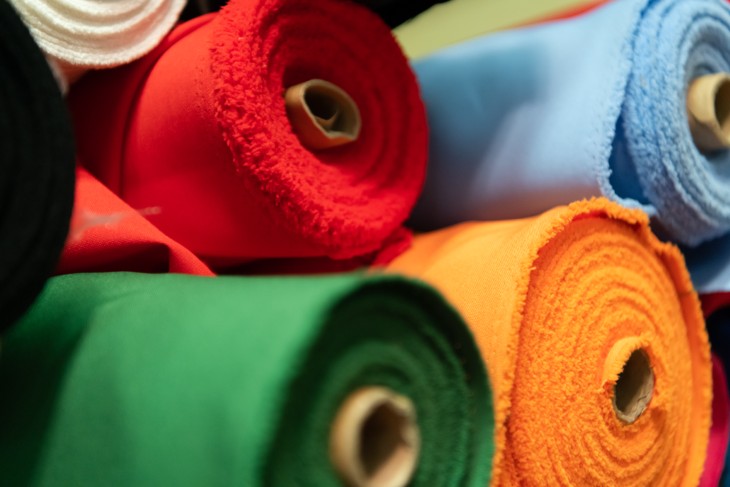
Cotton is the workhorse of the sensitive-skin wardrobe. It's soft, breathable, easy to wash, and comes in countless forms - from t-shirts and underwear to denim, towels, and bedsheets. Organic cotton is particularly beloved by people with reactive skin.
Linen comes from the flax plant and is a fantastic choice for warmer weather. It's lightweight, naturally cooling, surprisingly durable (stronger than cotton, in fact), and hypoallergenic.
Hemp is made from the stem fibers of the Cannabis sativa plant - and no, wearing it won't have any unusual effects! Hemp is breathable, antimicrobial, and great at wicking moisture. It can feel a bit stiff at first but softens beautifully with each wash. It's often blended with other fibers for added comfort.
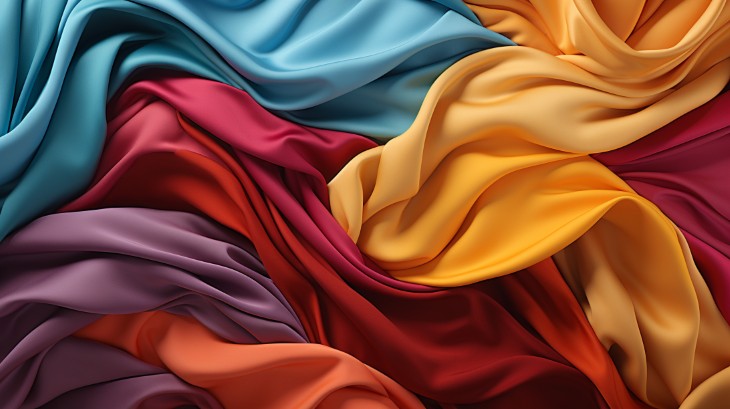
Silk, made from the fine threads of silkworm cocoons, is wonderfully smooth and gentle against the skin. It also helps regulate body temperature, making it a lovely choice year-round.

Wool is a bit of a mixed bag. It's a marvelous insulator (it even keeps you warm when wet), naturally antibacterial, and excellent for winter socks and sweaters. The downside? Traditional wool can be very itchy on sensitive skin. The good news is that fine Merino wool is much softer and far better tolerated.
Cashmere, harvested from the downy undercoat of cashmere goats, is in a class of its own - incredibly soft, smooth, lightweight, and warm without any itch. It's pricey, but for a special winter sweater, it can be worth every penny.
You may have seen bamboo sheets and clothing marketed as "all natural." Here's a small secret: bamboo fabric is almost always semi-synthetic. The bamboo plant's cellulose is dissolved in chemicals to create the fiber, resulting in something called bamboo viscose.

That said, it's still often recommended for sensitive skin because the end result is wonderfully soft, breathable, moisture-wicking, and quick to dry. Just don't be fooled into thinking it's completely chemical-free.
Synthetic fabrics are essentially made from plastic - they're derived from petroleum-based chemicals and don't biodegrade. They're popular for good reason: they're affordable, durable, dry quickly, and are easy to care for. But many of them trap heat, cause friction, and don't allow your skin to breathe - none of which is good news for sensitive skin.
The synthetic fabrics to watch out for include:
Most modern clothing is actually a blend, so don't expect every label to say "100% cotton." A good guideline: when shopping for everyday wear, look for items that are at least 50% cotton or other natural fiber. You'll usually feel the difference. Just remember that the higher the cotton content, the more an item is likely to shrink in the wash.
If you live with a chronic skin condition, you have an extra consideration: how well will the fabric hold up to ointment and cream residue plus frequent washing?
Cotton is almost universally recommended for eczema. It's soft, cool, absorbs sweat, washes easily, and lets the skin breathe. Silk is another excellent choice thanks to its smoothness and natural temperature regulation.
If psoriasis is your concern, the National Psoriasis Foundation maintains a list of clothing items that have earned their Seal of Recognition - a helpful starting point when shopping.