
Are You Taking Ozempic or Mounjaro? There Are Side Effects Your Doctor May Not Have Mentioned
By now, most people have heard of Ozempic, Wegovy, and Mounjaro - the blockbuster GLP-1 medications that have transformed how millions of Americans manage diabetes and weight. And most people who take them know to expect some nausea, maybe some digestive trouble, perhaps a little fatigue. Those are the side effects printed on the label.
But a major new study suggests there may be quite a bit more going on beneath the surface - side effects that patients are experiencing but that rarely come up in the doctor's office.

What the Study Found
Researchers at the University of Pennsylvania used artificial intelligence to analyze more than five years of online posts - over 410,000 of them - from people discussing GLP-1 medications. They identified more than 67,000 users who self-reported taking these drugs, and nearly 44% of them posted about at least one side effect. Fox News
What caught researchers' attention wasn't the familiar gastrointestinal complaints. It was the symptoms that weren't on anyone's radar: chills, hot flashes, fever-like sensations, menstrual irregularities, mood changes, anxiety, and sleep disruption. Clinical trials are designed primarily to catch rare, life-threatening outcomes - but they aren't built to capture the subtle, subjective experience of "always feeling cold," "my period is a mess," or "I'm exhausted all the time." Breakouttools That's the gap this study was trying to fill.
The results were published in the journal Nature Health and have since sparked serious conversation in the medical community.
The "Ozempic Chills" Phenomenon
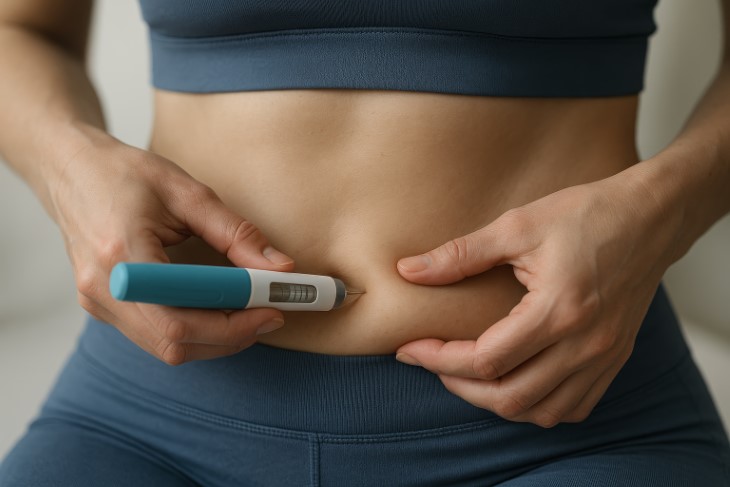
One of the more unusual findings was what some users have started calling "Ozempic chills" - a persistent feeling of being cold, or sudden temperature swings. Hot flashes, flushing, and fever-like episodes were also reported.
Why might this happen? Dr. Jeffrey Lee, a board-certified physician, explains that GLP-1 drugs don't just work on the digestive system. "GLP-1 agonists primarily affect the gastrointestinal system, but they also act on the brain, particularly the hypothalamus, which regulates many core functions, including hormones, temperature, and appetite." Because of this, it's biologically plausible that some patients experience broader effects - including temperature-related ones.
Some people on these medications describe sudden warmth, flushing, and sweating - similar to menopausal hot flashes - with possible contributors including changes in blood vessel tone as weight and hormones shift. Current Trends That said, Dr. Lee stresses that these effects are not yet well-established clinically, and more research is needed.
Menstrual Changes: A Signal Worth Investigating
The study found that reproductive symptoms included menstrual changes such as intermenstrual bleeding, heavy bleeding, and irregular cycles. The Hill About 4% of users who described side effects reported menstrual irregularities - a figure that would likely be higher if the sample were exclusively women.
The study's lead author noted this was "a signal worth investigating." One likely explanation is that rapid weight loss and shifts in insulin resistance can affect sex hormones like estrogen and progesterone, particularly in women with conditions like PCOS. GLP-1 drugs don't necessarily cause these changes directly - but the significant body changes they trigger can certainly set them in motion.
Mood, Libido, and the Brain's Reward System
Perhaps the most thought-provoking findings involve the brain. Nearly 13% of users who experienced side effects also reported psychiatric symptoms such as anxiety, depression, and insomnia Fox News - often described as waking up in the middle of the night with a sense of dread, or feeling a persistent low-grade unease.
There's a plausible biological explanation here too. GLP-1 drugs appear to interact with the brain's reward system - specifically dopamine signaling, the chemical responsible for feelings of pleasure and motivation. Dr. Lee explains: "There is growing interest in how GLP-1 medications may influence the brain's reward system, particularly dopamine signaling. Clinically, we are seeing that some patients report a reduced sense of reward from certain behaviors."
On the positive side, this may be why some people on these medications report a decreased urge to drink alcohol or engage in compulsive behaviors. On the less positive side, that same mechanism may also translate into a dampening of emotional highs and lows, which some patients may interpret as apathy or decreased libido.
No one is claiming GLP-1s are psychiatric agents - but the data make clear they are not neutral to mood, either.
Fatigue: More Common Than Trials Suggest
Fatigue was the second most commonly reported symptom overall, but has met relatively few reporting thresholds in existing clinical trials. Fox News Researchers noted that this gap between what patients experience in real life and what gets captured in formal studies was precisely what motivated the entire research project.
One important factor to consider: many of these symptoms - including fatigue, dizziness, and mood changes - may not be caused directly by the medication itself, but by the dramatic changes it triggers. When your appetite is significantly suppressed, it's easy to become dehydrated or under-nourished without realizing it, which can ripple out into a whole range of physical and emotional symptoms.
A Note on How to Read This Research
It's important to put these findings in context. The study was based on self-reported social media posts - not a controlled clinical trial. Self-reported data, especially from platforms like Reddit, can introduce bias, as it often captures a narrower or more vocal subset of users - people who are distressed are far more likely to post than those who are quietly losing weight and feeling fine.
As the lead researcher put it: "These are signals, not conclusions - but it's always worth talking to your doctor about anything unexpected you're experiencing while on a new medication, even if you're not sure if it's related. If something feels off, say something."
What You Should Do
If you or someone you love is taking a GLP-1 medication, here are some practical takeaways:
GLP-1 medications have genuinely changed lives. But like any powerful drug, they deserve a full, honest conversation - not just a list of the most common complaints. The more informed you are, the better partner you can be in your own healthcare.