
Weed use has exploded in recent decades, and while it is not a dangerous drug, many become dependant on it without noticing. If you have decided to stop using marijuana, you may be wondering what the days and weeks ahead will look like. Many people are surprised to learn that quitting can bring on a stretch of uncomfortable feelings, even after years of telling themselves the habit was harmless. The good news is that these feelings are temporary, they follow a fairly predictable pattern, and your body and mind begin healing the moment you stop.
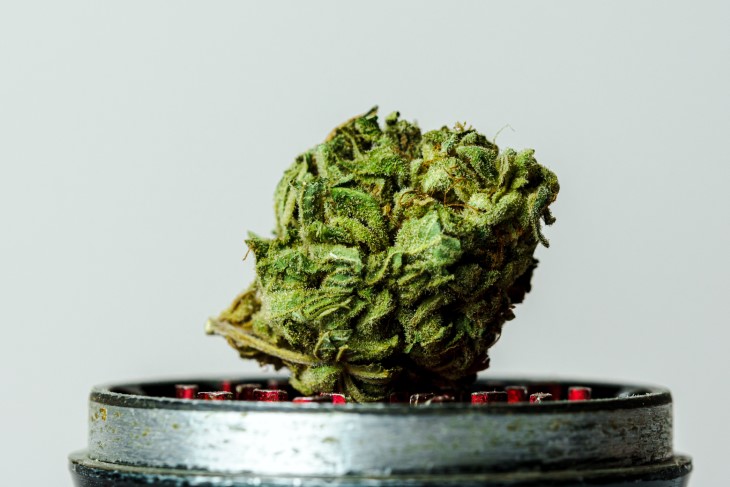
This guide walks you through what to expect, period by period, and offers practical ways to make the transition easier. It also covers an important question many people quietly ask themselves: how do you know when it is time to quit in the first place?
Stopping marijuana after regular, heavy use can cause what doctors call cannabis withdrawal. The symptoms are real and can be genuinely unpleasant, but they are not dangerous in the way that withdrawal from alcohol or certain other substances can be. Marijuana withdrawal does not cause life-threatening symptoms. Knowing this can take a lot of the fear out of the process. What you are feeling is your brain rebalancing itself, and it will pass.
Withdrawal symptoms usually begin within one to three days of your last use, often within the first day or two for heavy daily users. This is when your body first notices the absence of THC, the active ingredient in marijuana. To understand why this happens, it helps to know that regular use trains your brain to expect a steady outside supply of THC. In response, the brain quietly turns down its own natural signaling system. When the marijuana stops, that system is briefly left out of balance, and the gap is what you feel as withdrawal. It is a sign that your brain is beginning to recalibrate, not a sign that something is wrong.

How strong these first days feel depends a great deal on how much and how often you were using, and on the strength of the products involved. Someone who used occasionally may notice very little. Someone who used heavily every day, especially stronger concentrates, tends to feel the shift more sharply. The very first day is often the most disorienting, simply because the change is so sudden.
During this early window you might notice:
Some people also experience physical symptoms such as headaches, sweating, chills, mild nausea, or stomach discomfort.
For most people, symptoms reach their strongest point somewhere between the second and seventh day, often around day three. This is the hardest stretch, and it is also when many people are tempted to give up. Understanding that this is the peak, and that it is short, can help you hold on.

During these days, the emotional symptoms tend to take center stage. Mood swings, low mood, anxiety, and strong cravings are common. Sleep is often disrupted, and many people report unusually vivid or strange dreams once they do drift off. Physical symptoms usually start to ease toward the end of this week, even as the emotional side feels most intense.
By the time the second week is underway, most people begin to feel noticeably steadier. The sharpest cravings soften, mood starts to stabilize, and appetite usually returns. You may not feel fully like yourself yet, but the worst is generally behind you.
This is also a stage where people sometimes relapse, not because the physical pull is strong, but because lingering sleep problems and old habits resurface. Being aware of this can help you stay the course.
By the third and fourth week, the bulk of withdrawal symptoms have faded for most people. Researchers have found that the brain receptors affected by long-term marijuana use begin returning to normal function within about four weeks of stopping. Many people describe feeling clearer, calmer, and more like themselves again by this point.

Sleep is often the last piece to fall into place. Insomnia and vivid dreams can linger for roughly four to six weeks, and sometimes a bit longer, especially for those who used heavily or used stronger products. This is normal, and it does improve.
The deeper benefits of quitting tend to build over the following weeks and months. Many people notice gains in attention, memory, and mental sharpness within the first month, with clearer improvements by the three-month mark. Sleep quality continues to normalize, energy and motivation often rise, and mood tends to become more even.
For those who smoked their marijuana, the lungs also get a break. Coughing, throat irritation, and shortness of breath frequently ease within weeks. Healthy habits like regular exercise, good nutrition, and consistent sleep can speed all of this recovery along.

You do not have to simply grit your teeth and wait. A few practical steps can make a real difference in how you feel.

Many people use marijuana casually without it taking over their lives. The question worth asking is whether your use has quietly started to cause problems. One simple way to think about it is this: are you continuing to use despite negative consequences?
Some signs that use may have crossed into a real dependence include:
If several of these ring true, it may be a sign that cutting back or stopping would improve your quality of life. Noticing these patterns is not a cause for shame. It is a useful, honest first step, and recognizing it early tends to make change easier.
If quitting feels overwhelming, or if your use is tangled up with anxiety, depression, or other health concerns, reaching out for support is a sign of strength, not weakness. A conversation with your doctor is a good place to start. Counseling approaches such as cognitive behavioral therapy have a strong track record, and support groups can provide encouragement from people who understand exactly what you are going through.
In the United States, the Substance Abuse and Mental Health Services Administration runs a free, confidential helpline at 1-800-662-HELP (4357), available around the clock, every day of the year. They can point you toward local resources and answer your questions with no judgment.
Whatever brought you to this decision, every day without marijuana is a day your body and mind spend healing. The early going can be tough, but the discomfort is temporary, and a clearer, steadier version of yourself is waiting on the other side.
This article is for general information and is not a substitute for personalized medical advice. If you are experiencing serious distress while quitting, please reach out to a healthcare professional.