
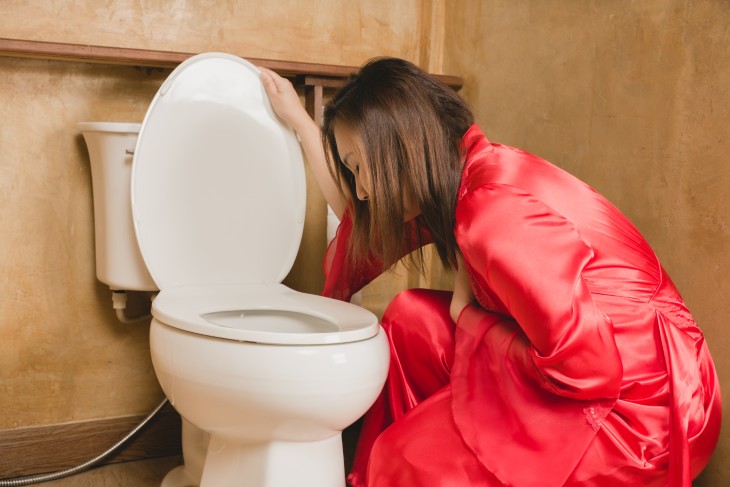
Cases of norovirus, commonly called "winter vomiting disease," are spreading across the United States earlier than usual this season, with levels rising since mid-October according to wastewater surveillance data.
The Current Surge
National monitoring programs from Stanford and Emory University have detected notable increases in Louisiana, Michigan, and Indiana. The CDC reported 153 norovirus outbreaks between August and mid-November, marking an ahead-of-schedule surge for the typical season that runs from November to April.
Despite the early timing, current outbreak trends remain lower than last year's 235 outbreaks during the same period.
Several factors contribute to the current increase in norovirus infections:
Seasonal patterns: Cold weather drives people indoors where the virus spreads more easily in close quarters at schools, workplaces, and social gatherings.
Holiday travel: Crowded transportation and increased social gatherings create ideal conditions for transmission.
Environmental conditions: The virus survives better in cool, dry air, while lower vitamin D levels and drier air can weaken immune defenses during winter months.
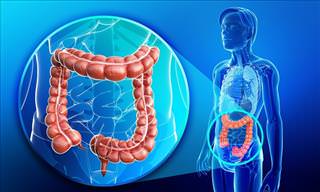
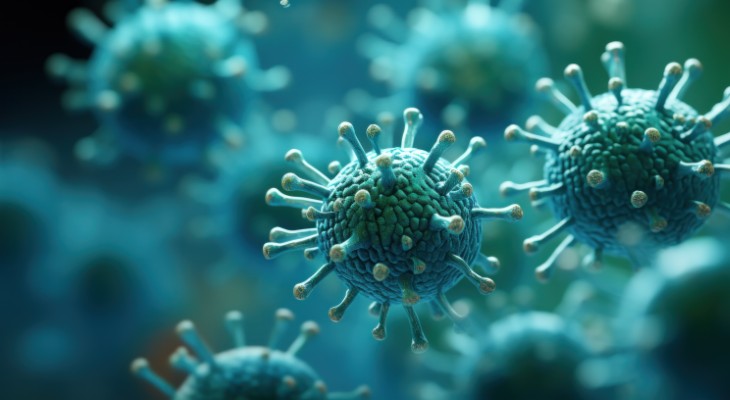
Norovirus is a highly contagious virus that primarily affects the gastrointestinal system. While many associate it with cruise ship outbreaks, the virus commonly spreads in schools, nursing homes, and other communal settings.
The virus spreads through contaminated food, water, hands, and surfaces. Only a tiny amount of the virus is needed to cause infection, and it can survive on surfaces for several days.

Norovirus symptoms typically appear 12 to 48 hours after exposure and develop rapidly. Common signs include:
Most symptoms resolve within one to three days.
Protecting yourself from norovirus requires consistent hygiene practices:
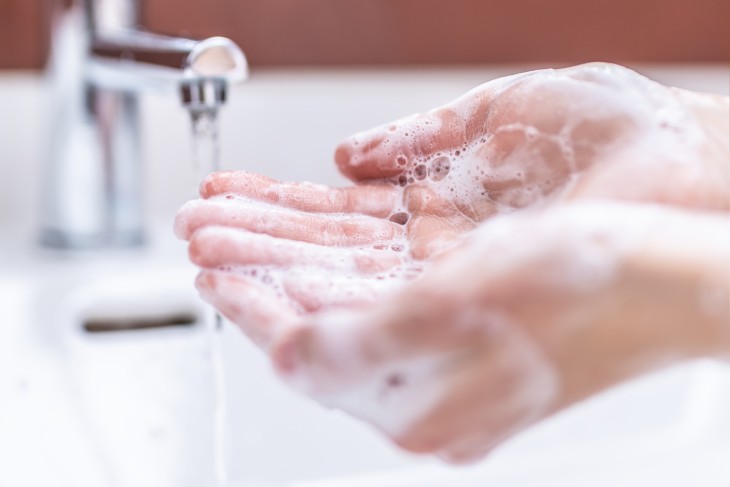
Wash hands thoroughly: Use soap and water rather than alcohol-based sanitizers, which are less effective against norovirus.
Avoid sharing: Don't share food, drinks, or utensils with others.
Disinfect surfaces: Clean high-touch areas with bleach-based cleaners, as the virus can survive on surfaces for extended periods.
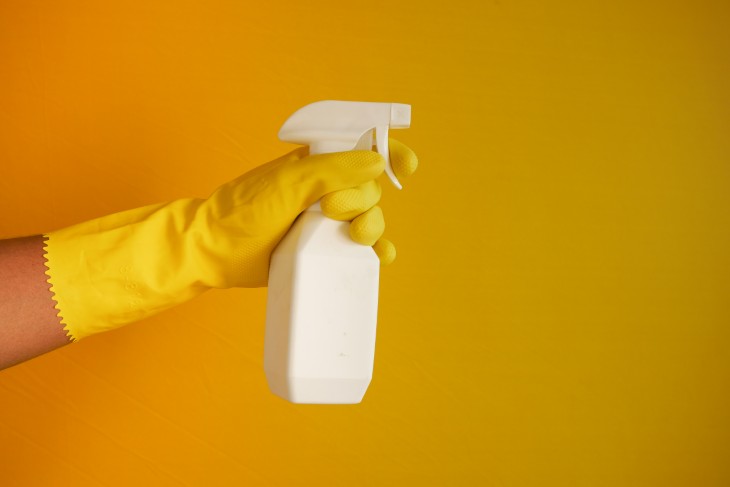
Handle contaminated items carefully: Wash affected clothing and bedding on hot cycles if someone in your household becomes sick.
What to Do If You Get Sick
There are no medications to eliminate norovirus, so treatment focuses on managing symptoms:
Hydration and Rest:
Dietary Management:
Hygiene and Prevention of Spread:
Medication Guidance:
When to Seek Medical Care:
Seek immediate medical attention if you experience:
Note: Infants, elderly, and immunocompromised individuals should consult a doctor earlier, as they're at higher risk for complications.
With holiday gatherings and winter activities in full swing, taking preventive measures is essential. Proper handwashing, careful food handling, and staying home when sick can help protect yourself and others from this highly contagious virus.