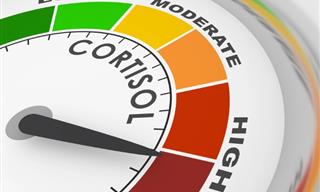

It's Not Just What You Eat — It's When You Eat It
You've probably spent years thinking about what goes on your plate. But what if the clock on your wall matters just as much as the food on your fork? A growing field called chrononutrition suggests that the timing of your meals could have a surprisingly powerful effect on your health — from your weight and blood sugar to your heart and energy levels.
So What Exactly Is Chrononutrition?
Chrononutrition is the study of how when, how often, and how regularly you eat affects your body — specifically in relation to your internal biological clock. It's not about counting calories or cutting food groups. It's about syncing your meals with your body's natural 24-hour rhythm.
Your Body Has Its Own Clock — And It's Paying Attention
You've probably heard of the circadian rhythm in relation to sleep. But your body clock does far more than tell you when to rest. It also regulates your metabolism, hormone release, and digestion. Eating at times that align with this internal clock helps your body process nutrients more efficiently. Eating against it — think late-night snacking or irregular meal times — can throw the whole system off balance.
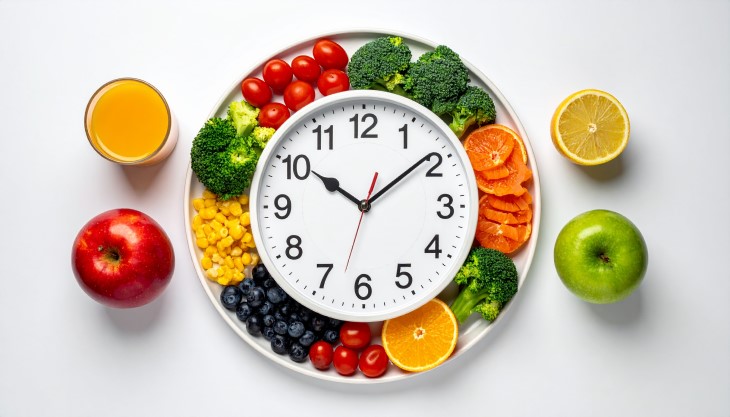
In fact, researchers have noted that the rise in conditions like obesity, high blood pressure, and type 2 diabetes has coincided with a widespread shift toward later meals and irregular eating patterns. That's not a coincidence.
Why Morning Eating May Be Your Secret Weapon
Here's something many people don't realize: your body is naturally better at processing carbohydrates in the morning than at night. Insulin sensitivity and glucose tolerance are higher earlier in the day, meaning the same meal can have a very different effect on your blood sugar depending on when you eat it. A small clinical trial found that eating at night raised glucose levels significantly more than eating the same food during the day.
The takeaway? Front-loading your calories — eating a bigger breakfast and a lighter dinner — may be one of the simplest, most underrated health strategies out there.
What Happens When You Eat Late at Night?
Late-night eating is where things can really go wrong. When you eat close to bedtime, your body's insulin sensitivity is lower, meaning it's less efficient at managing blood sugar. This can lead to increased fat storage and, over time, raise your risk of metabolic conditions. Your digestive organs also have their own internal clocks, and eating when they're winding down for the night can cause what researchers call "metabolic misalignment."
How to Put Chrononutrition Into Practice
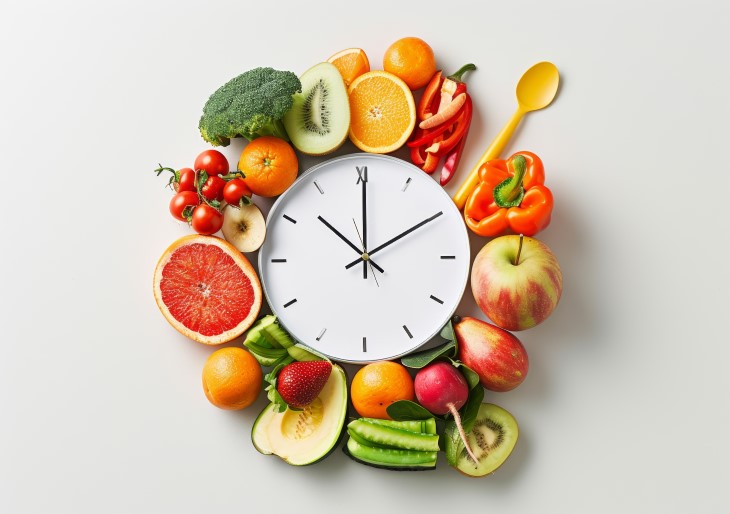
The good news is that you don't need to overhaul your entire life. A few simple shifts can make a real difference. Try to eat your meals at roughly the same time each day — consistency helps your body's internal clocks stay synchronized. Make your biggest meal earlier in the day when your metabolism is at its peak. And try to stop eating a few hours before you go to sleep. Some people also find it helpful to keep all their eating within an 8 to 10-hour window each day, though what works best varies from person to person.
Is It Right for Everyone?
Chrononutrition isn't a strict diet, and it's not a one-size-fits-all solution. It's more of a flexible framework that can complement whatever healthy habits you already have. If you have diabetes, metabolic syndrome, or any other health condition, it's worth speaking with your doctor before making significant changes to your eating schedule.
The research is still evolving, but the core message is simple and hard to argue with: your body has a rhythm, and working with it — rather than against it — just makes sense.