
Many homeowners believe they need to fertilize their lawn multiple times throughout the year. The truth is, a single application is usually enough—but timing is everything.
Most people assume spring is the ideal time to fertilize. After all, the grass is coming back to life, so why not give it a boost of nutrients? However, the opposite is actually true.
The end of the growing season, before your lawn goes dormant for winter, is the most crucial time to fertilize. This late-season feeding fortifies the root system, helping grass grow back green and lush when spring arrives. Fall fertilizer gives your lawn a significant advantage by helping it outgrow winter weeds and preventing crabgrass from taking over during the spring months.
The optimal time to fertilize is when grass is still growing, but not as vigorously as it was during spring. Most turfgrass slows its growth rate once temperatures consistently stay below 55°F (12.7°C). In cooler regions, this makes late September through late October the ideal fertilizing window.

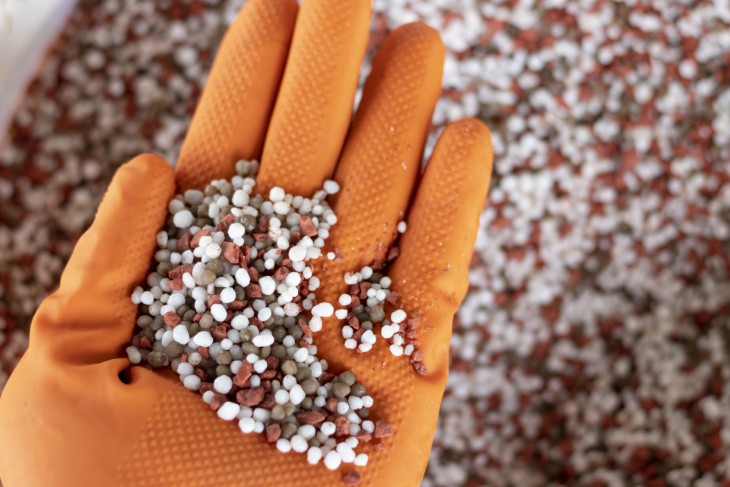
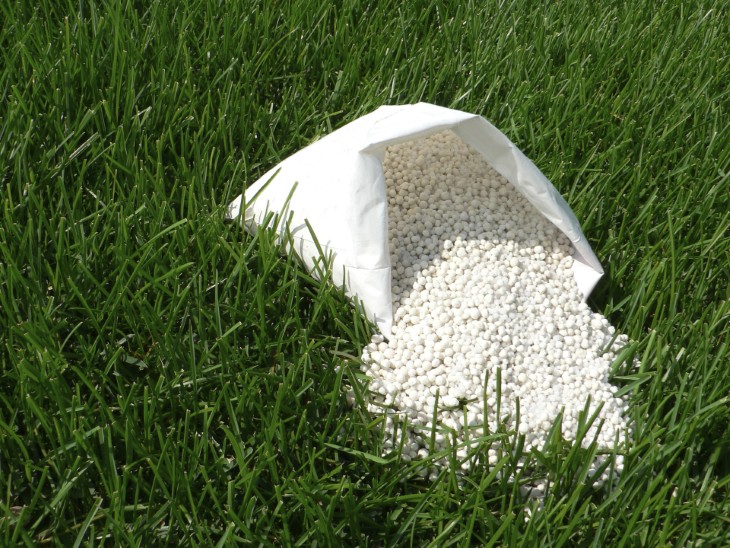
For best results, have your soil tested by sending a sample to your local cooperative extension (typically around $20). The test results will indicate exactly what fertilizer mix your lawn needs. The numbers on fertilizer bags—listed in N-P-K order—show the percentage of nitrogen, phosphorous, and potassium. by weight.
If you'd rather skip the soil test, Purdue University's Turf Fertilizer Calculator offers helpful guidance.
Important rule: Never apply more than 1 pound of nitrogen per 1,000 square feet of lawn.
Always choose slow-release fertilizer, which continues feeding your lawn throughout the off-season. Fast-release fertilizers are less effective and more likely to leach into surrounding waterways, polluting water supplies.
A broadcast applicator is the best tool for evenly distributing fertilizer across your lawn. While you can rent one from home centers, it's worth purchasing since you'll use it annually.

Application steps:
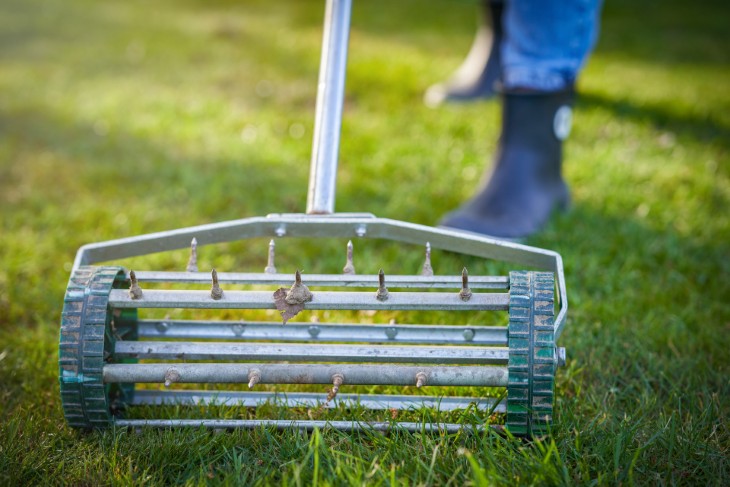
Aerate the lawn: Use a core aerator (available for rent from home centers) to pull tiny soil plugs from your lawn. Aerating before fertilizing allows nutrients to reach the root system more easily.
Leave the clippings: Mulch rather than bag your grass clippings, especially at season's end. Clippings provide natural nutrition and could reduce your total fertilizer needs by 25%.
Dethatch the lawn: Use a dethatching rake or mechanical dethatcher to remove the dense layer of living and dead plant material that builds up over time. This layer blocks water and nutrients from reaching the roots.
Time your last mow wisely: Never scalp your lawn, especially heading into winter. Schedule your final mow when temperatures are still around 60°F, and leave grass slightly taller—about 4 inches instead of the usual 3.5 inches.
By following these fall lawn care tips, you'll set your grass up for success, ensuring a healthy, vibrant lawn when spring returns.