
Walking seems simple until traffic gets heavy, drivers get rushed, and visibility gets poor. A short walk to a store or an office can put you next to turning cars, wide roads, and parking lot traffic that changes direction without much warning.
Michael Kelly Injury Lawyers can help when a pedestrian crash turns into a legal case, but it is far better to avoid that situation altogether. Most pedestrian injuries do not happen during unusual events. They happen during normal errands, routine commutes, and quick crossings that people have made many times before.
Good pedestrian safety comes from a few clear habits used every day.
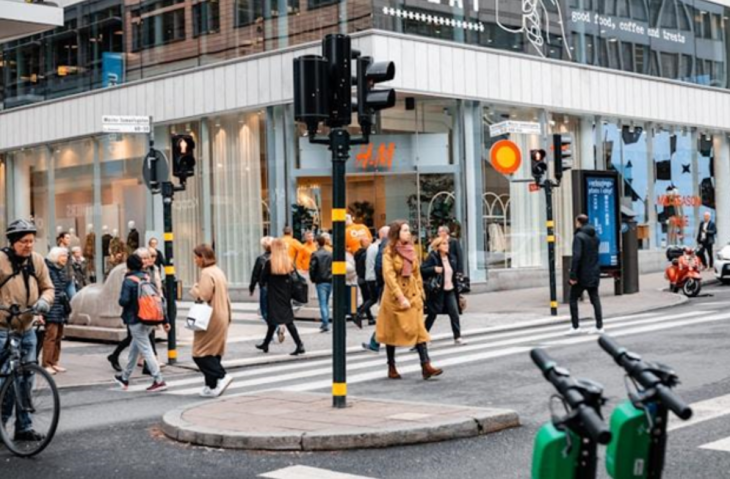
Use sidewalks when they are available. Cross at marked crosswalks or signalized intersections instead of stepping into traffic mid-block.
Drivers are more likely to look for pedestrians at corners and crosswalks. They are less prepared for someone coming out from between parked cars or crossing near a driveway entrance.
If one side of the street has better lighting, fewer driveways, and a clearer sidewalk, use that side. A slightly longer route often gives you much better visibility.
A simple routine lowers the chance of a rushed mistake. Before stepping off the curb, stop and scan the full area. Look left, right, and left again. Check the lanes going straight, but also check for turning traffic.
A walk signal helps, but it does not remove risk. Drivers sometimes roll through turns while watching other cars instead of the crosswalk. Some enter late on a yellow light. Others stop too far into the crossing area.
Use this routine on busy roads:
Turning cars are one of the biggest pedestrian risks at intersections. A driver turning right may be looking left for traffic. A driver turning left may be focused on finding a gap in oncoming cars. In both cases, the crosswalk gets less attention than it should.
Do not rely on eye contact alone. Some drivers look in your direction without fully registering that you are there. A better sign is a full stop and a clear pause before the vehicle moves.
Keep watching the car as you cross. A driver who yields at first can still roll forward too soon.
Parking lots are full of blind spots and split attention. Drivers are backing out, searching for open spaces, checking mirrors, unloading children, and watching other vehicles. That is why a low-speed parking lot can still be dangerous for pedestrians.
Walk where you can be seen early. Use marked walkways if they exist. If there is no marked path, stay along the edge of the lane instead of cutting behind parked cars.
Avoid crossing between large vehicles when possible. A truck or SUV can hide you until the last second.
These signs often mean a car is about to move:
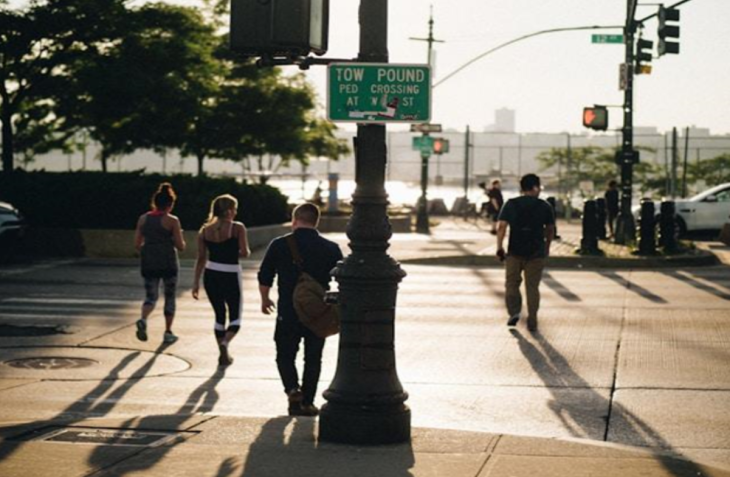
The most dangerous seconds are often the shortest ones. Stepping off the curb, passing a driveway, and walking between parking rows all require your full attention.
Looking down at a phone for even a few seconds can make you miss a turning car or a vehicle backing out. The same goes for texting while crossing or checking directions while walking through a parking lot.
If you need to look at your screen, stop in a safe place first. If you wear earbuds, keep the volume low enough that you can still notice traffic.
Drivers cannot react to what they do not notice in time. Visibility matters most in the early morning, at dusk, at night, and during rain.
Wear lighter clothing if you will be walking in low light. Reflective material helps even more. A small flashlight can also help in dark parking areas or along roads with poor lighting.
Rain makes things harder for everyone. Drivers deal with glare, wet windshields, and longer stopping distances. Pedestrians deal with reduced side vision from umbrellas and hoods. In those conditions, choose the better-lit crossing and wait for a larger gap than usual.
Children are harder for drivers to see, especially near parked cars. They are also more likely to move suddenly. In parking lots, children should stay beside an adult, not a few steps ahead or behind.
Older adults may need more time to judge traffic speed and more time to finish crossing. Wide roads, short signal times, and uneven pavement can make that harder.
If you are walking with a child or an older adult, choose the clearest crossing, wait for a fresh signal, and do not rush the pace.
If a vehicle hits you, call 911 and get medical help as soon as possible. Do not assume you are fine because you can still stand or walk. Pain, swelling, and concussion symptoms may appear later.
If you are able to do so safely, take these steps:
The safest pedestrians do one thing consistently. They refuse to assume a driver sees them.
That mindset changes your timing and your choices. It makes you pause before entering a lane, watch turning cars longer, and avoid cutting behind reversing vehicles. It also keeps you focused in places where drivers are distracted and visibility is poor.
Busy streets and parking lots will never be fully predictable. Still, if you stay visible, stay patient, and cross with a clear routine, you can lower your risk significantly.