Sleep is when your body repairs and rejuvenates itself, but it's also when you spend 6-8 hours in close contact with your bedding, pillow, and mattress. During this time, your body naturally produces oils, sheds skin cells, and perspires - all of which can affect both your hygiene and sleep quality.
Maintaining cleanliness during sleep hours isn't just about waking up feeling fresh; it's about protecting your skin health, preventing allergies, reducing acne breakouts, and creating a more hygienic sleep environment overall. The good news? With a few strategic habits and routines, you can dramatically improve your nighttime cleanliness.
Here are 11 science-backed ways to stay clean and fresh during your sleeping hours.
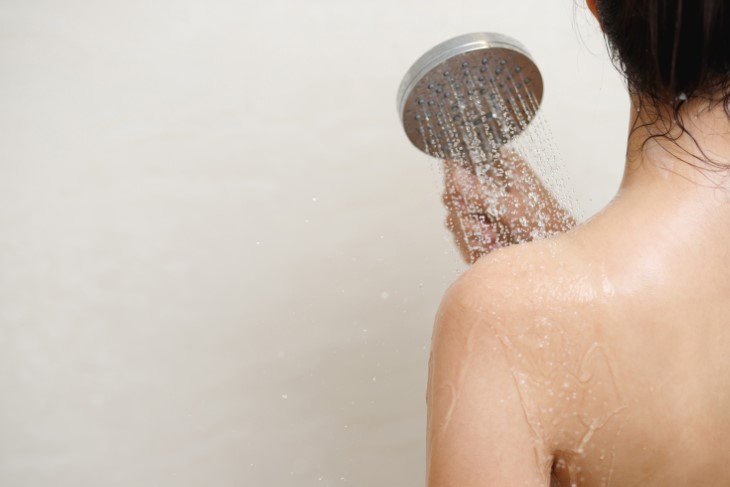
Taking a shower or bath before bed is one of the most effective ways to ensure you're sleeping clean. This evening cleansing removes the day's accumulation of dirt, sweat, pollutants, and bacteria from your skin before they transfer to your bedding.
Benefits of nighttime showering:
You don't need an elaborate routine—even a quick 5-10 minute shower can make a significant difference in your nighttime hygiene.
Pro tip: If you exercise in the evening, showering afterward is essential before getting into bed.

Even if you skip a full shower, never skip washing your face. Your facial skin collects makeup, dirt, oil, and environmental pollutants throughout the day. Sleeping with this buildup can lead to clogged pores, breakouts, and premature aging.
A proper nighttime face-washing routine includes:
This routine takes only a few minutes but protects your skin health and prevents transferring oils and bacteria to your pillowcase.

Oral hygiene before sleep is crucial for preventing bacterial growth in your mouth overnight. When you sleep, saliva production decreases, creating an environment where bacteria can thrive.
Essential nighttime oral care:
This routine prevents morning breath, reduces cavity risk, and keeps your mouth cleaner throughout the night.

Your pajamas absorb body oils, sweat, and shed skin cells while you sleep. Wearing the same sleepwear for multiple nights without washing creates an increasingly unhygienic sleep environment.
Sleepwear hygiene guidelines:
Clean sleepwear not only feels better but also reduces skin irritation and prevents bacterial buildup against your body.
Your bed sheets accumulate more than you might realize: body oils, sweat, dead skin cells, dust mites, and their waste products. This buildup can affect both your hygiene and sleep quality.
Optimal sheet-changing routine:
Regular sheet changes create a cleaner, fresher sleep environment and can reduce allergy symptoms and skin issues.
Your pillowcase has direct contact with your face for hours every night, making it a hotspot for oil, bacteria, and product residue. Dermatologists often recommend washing pillowcases even more frequently than sheets.
Pillowcase hygiene best practices:
Some people even place a clean towel over their pillow each night as an easy alternative to daily pillowcase changes.

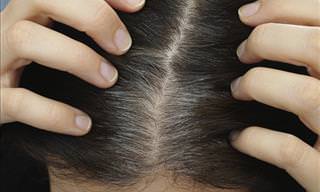
Your hair collects oils, products, dirt, and pollutants throughout the day. When you sleep with dirty hair loose on your pillow, all of that transfers to your pillowcase and then back to your face.
Nighttime hair hygiene strategies:
If you can't wash your hair daily, dry shampoo can help absorb excess oils between washes.
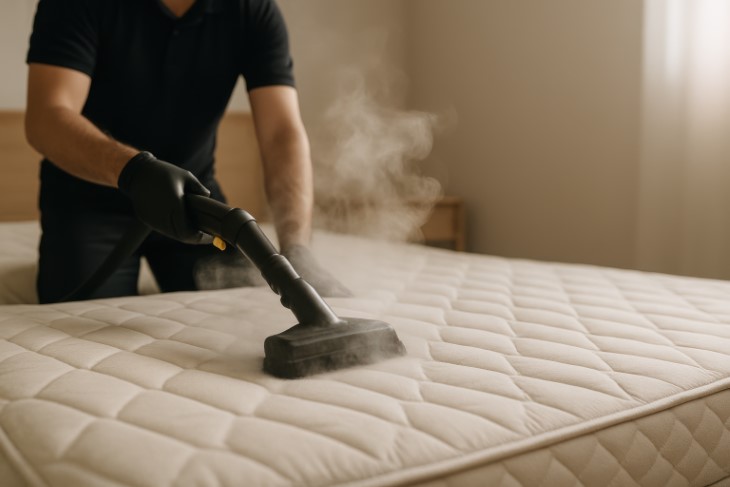
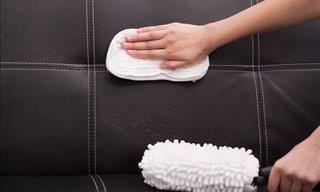
While you can't throw your mattress in the washing machine, regular cleaning helps remove dust mites, allergens, and odors that accumulate over time.
Mattress maintenance routine:
Use a mattress protector: A washable, waterproof mattress protector creates a barrier between you and your mattress, making it easier to maintain cleanliness.
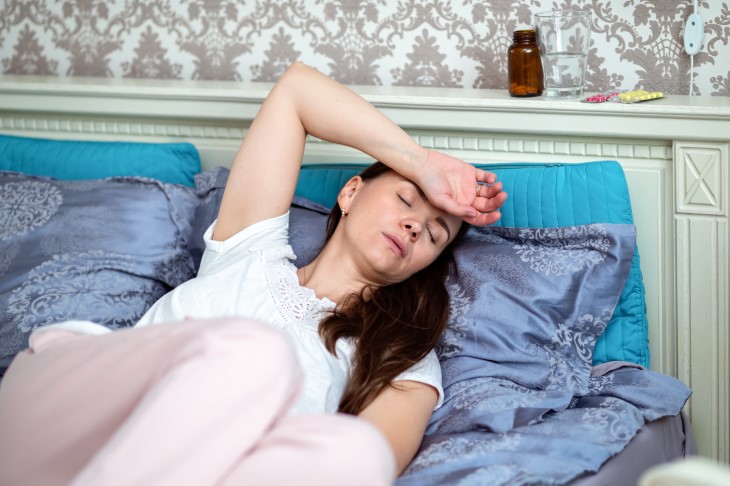
Some people naturally perspire more during sleep, which can affect cleanliness and comfort. If you're a heavy night sweater, take extra steps to stay fresh.
Strategies for managing night sweats:
If excessive night sweating is new or severe, consult a doctor, as it can sometimes indicate underlying health issues.

Sleeping with jewelry on can trap dirt and bacteria against your skin and make it harder to clean properly during your nighttime routine.
Why you should remove jewelry at night:
Establish a designated spot to place jewelry each night, making this an easy habit to maintain.
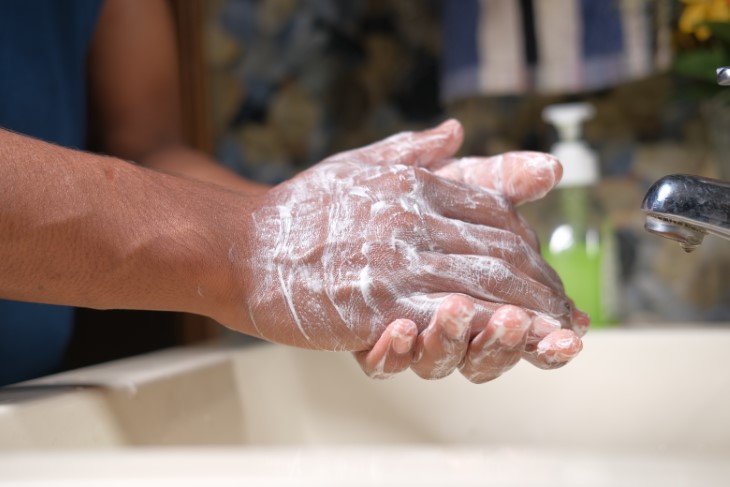
Your hands touch countless surfaces throughout the day, accumulating bacteria, viruses, and dirt. Washing your hands before bed prevents transferring these germs to your face, bedding, and personal items.
Proper hand-washing before bed:
This simple habit takes less than a minute but significantly reduces the germs you bring into your sleep environment.
Staying clean during sleep hours isn't about obsessive cleanliness—it's about creating healthy habits that protect your skin, improve your sleep environment, and help you wake up feeling fresh and comfortable.
Many of these practices overlap with good general hygiene and sleep hygiene routines, making them easy to incorporate into your existing bedtime habits. Start by implementing a few changes that seem most relevant to your situation, then gradually add others as they become routine.
The core principles are simple:
Most people notice improvements in their skin health, sleep quality, and overall comfort within just a few days of adopting better nighttime cleanliness habits. You'll likely find that the small effort required to maintain these practices pays significant dividends in how you look and feel each morning.
If you experience persistent skin issues, excessive sweating, or other concerns despite maintaining good nighttime hygiene, consult a healthcare provider. Sometimes underlying conditions require medical attention beyond improved hygiene practices.
Remember: the hours you spend sleeping are also hours your skin can repair and regenerate. By creating the cleanest possible environment for that process, you're investing in both immediate comfort and long-term health.