
There are days when even the smallest tasks – returning a phone call, stepping outside, even getting out of bed – can feel like climbing a mountain. If you've ever wondered why simply getting started feels so impossibly hard, you're not imagining it. A lack of motivation is one of the most common symptoms of depression, and it has very real roots in how depression affects the brain and body.
The good news is that motivation, once lost, can be rebuilt – not through grand gestures or sweeping life changes, but through small, manageable steps that add up over time. Here are 11 gentle, research-backed strategies that may help you find your footing again.

Before we get to the strategies, it helps to understand what's happening behind the scenes. Depression doesn't just make you feel sad – it actually changes the way your brain processes pleasure, reward, and energy. Researchers believe depression can alter brain chemistry, including the chemicals that regulate mood and motivation.
There's also something called anhedonia, which is the loss of pleasure in activities you once enjoyed. When your favorite hobbies, meals, or pastimes no longer light you up, it's understandably hard to feel motivated to do them. Add in fatigue, trouble concentrating, and poor sleep – all common companions of depression – and the lack of motivation makes perfect sense.
In other words: if you're struggling, it's not laziness, weakness, or a personal failing. It's a symptom. And like other symptoms, it can be addressed.
When everything feels overwhelming, the trick is to make your goals so small they almost feel silly. Wash one dish. Brush your teeth. Send one text message to a friend. That's it. No expectations for what comes after.
Sometimes you'll stop right there, and that's perfectly fine. Other times, washing that one dish leads to washing the rest, or that one text turns into a real conversation. This approach is known as behavioral activation – a recognized treatment for depression that works on a simple principle: change your behavior first, and your mood often follows.

Mornings can be especially tough during depression. Try choosing one small task to begin your day – opening the curtains, drinking a glass of water, or simply sitting up in bed for a few minutes. This gentle first victory can set a kinder tone for the hours ahead.
If you anticipate that even this will feel hard, leave yourself a few sticky notes with encouraging words in places you'll see them. Choose phrases that feel right for you, even if they don't always feel believable. Your brain takes in whatever thoughts you offer it, so it's worth feeding it kind ones.
Exercise prompts your body to release endorphins, a group of mood-lifting hormones. According to a 2022 research review, physical activity also promotes better sleep, lowers inflammation, and boosts self-esteem – all of which play a role in depression.

You don't need a gym membership or a strict regimen. A short walk around the block, some gentle stretching in the living room, or dancing to one favorite song in the kitchen all count. Any movement is better than none, and choosing something you genuinely enjoy – or are at least mildly curious about – makes it far more sustainable.
Time outdoors has been shown to ease feelings of depression. If you can, try:

And if getting outside isn't possible right now, even watching nature videos has been shown to provide some benefit to mental well-being. A few minutes of birdsong on YouTube counts.

There's often pressure to "carry on as usual" during depression, especially if others depend on you. But pushing too hard can lead to a frustrating cycle of overcommitting and falling behind – which only adds guilt to an already heavy load.
Try doing fewer things, but doing them well. If cooking dinner every night feels impossible, see if a family member can take a turn or pick up takeout. Sharing responsibilities isn't weakness – it's wisdom. And remember to congratulate yourself for every task you complete, no matter how small it seems to anyone else.
Reading the news endlessly, scrolling through social media, or talking with people who drain your energy can quietly pull your mood downward. These habits feed the spiral rather than break it.

A few small safeguards can help:
Journaling is another helpful tool. Putting negative thoughts on paper can help you "set them down" – and reviewing them later allows you to ask, "Is there really evidence for this thought?" You may be surprised how often the answer is no.
Routines give the day a comforting structure and help build habits without much mental effort. They don't need to be ambitious – consistency matters far more than complexity.
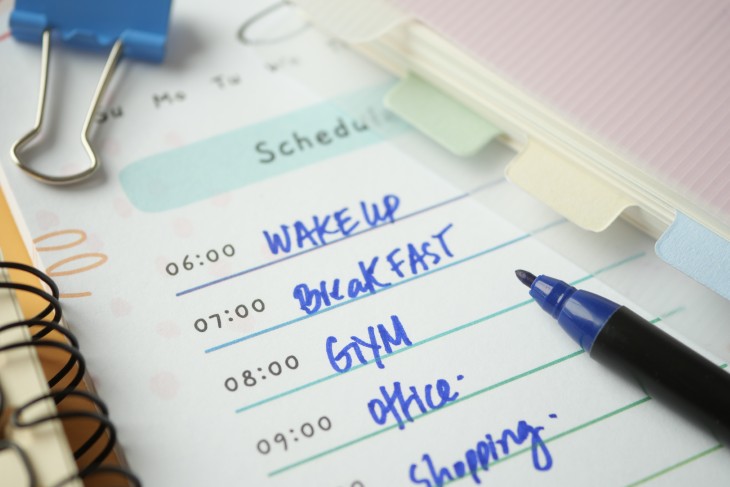
Write your routine down and post it somewhere visible. Check things off as you go. That small visual record of completed tasks can offer a real sense of accomplishment. There are also smartphone apps designed to support daily routines with reminders and small rewards, if that's something that appeals to you.
A strong support network is one of the most protective factors against depression. These are the people who can step in when your motivation runs dry or when life simply feels too heavy.

If you feel that you don't have many supportive people nearby, focus on the ones you do have – even if they live far away. And remember that support can also come from community groups, faith organizations, support groups, and mental health professionals. Help is more available than it can sometimes feel.

Depression has a way of pulling us inward and convincing us we'd rather be alone. If you sense yourself withdrawing, try to remember that this is part of the condition – and that however isolated you feel, it doesn't reflect how the people in your life actually feel about you.
Stay in touch in small ways: a quick "thinking of you" text, a short phone call, a wave to a neighbor. If loved ones live far away, set up regular video calls or virtual coffee dates. These tiny threads of connection truly add up.
The gut and brain are connected through what scientists call the gut-brain axis. A 2023 review found growing evidence linking depression to changes in gut bacteria, and suggests that a balanced, nutritious diet may help support better mental health.

A few areas worth noticing:
Eating patterns like the Mediterranean diet have been associated with lower rates of depression, though research is still evolving.
Sleep and depression have a two-way relationship: poor sleep can worsen depression, and depression often disrupts sleep. Doing what you can to protect a steady sleep schedule – aiming for 7 to 9 hours per night – can make a real difference in both mood and motivation.
Simple habits help: keeping the bedroom cool and dark, avoiding screens before bed, going to bed and waking up at roughly the same times each day, and limiting caffeine in the afternoon.
Self-help strategies can be incredibly valuable, but they aren't a replacement for professional care when it's needed. If your mood and motivation don't improve – or if they're getting worse – please talk with a doctor or mental health professional. Treatment for depression often includes talk therapy, medication, or a combination of both, and what works varies from person to person.

If you're already taking medication and feel it isn't helping, your doctor can reassess your treatment plan. There is no shame in needing extra support – just as you'd see a doctor for a physical ailment, your mental health deserves the same attention and care.
If you're reading this and recognizing yourself in these words, please be patient with yourself. Healing from depression isn't a straight line, and motivation tends to return in small flickers before it returns in full. Every dish washed, every short walk taken, every "good morning" said to a loved one is a quiet victory worth honoring.
You're doing more than you give yourself credit for. And tomorrow, you can begin again – one small step at a time.