
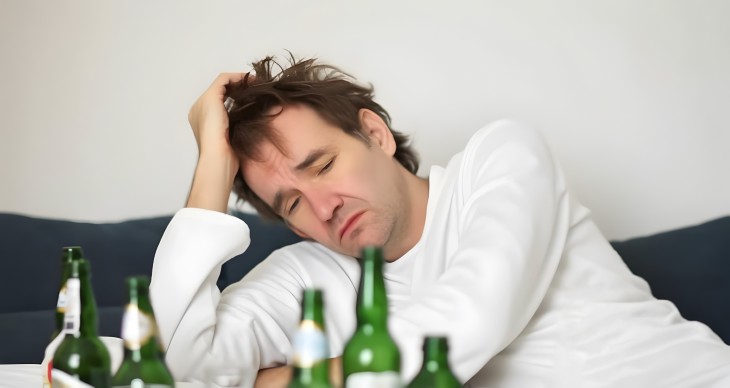
If you've noticed that recovering from a night of drinking isn't as easy as it used to be, you're not imagining things. Many people report that their hangovers seem to worsen with age, turning what was once a minor inconvenience into a day-long ordeal of headaches, fatigue, and regret.
While research on this phenomenon is somewhat limited, science offers several compelling explanations for why that morning-after misery intensifies as the years go by.
When you drink alcohol, your liver gets to work metabolizing it through a two-step enzymatic process. First, an enzyme called alcohol dehydrogenase (ADH) breaks down alcohol molecules into acetaldehyde—a toxic compound responsible for many of those unpleasant hangover symptoms you experience.
Next, another enzyme called aldehyde dehydrogenase (ALDH) converts acetaldehyde into acetate, a less harmful substance that your body eventually breaks down into carbon dioxide and water.
Here's where aging comes into play: as you get older, your liver function may change. If your liver produces less ALDH, acetaldehyde can build up in your system, leading to more severe hangovers. Think of it as your body's cleaning crew working at a slower pace—the toxic mess lingers longer.
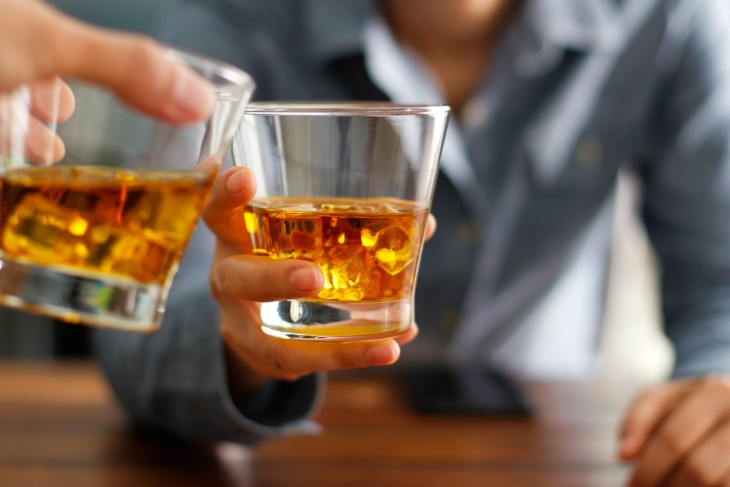
Several age-related changes contribute to those increasingly brutal hangovers:
Slower metabolism. Your body's ability to process alcohol decreases with age. This slowdown means alcohol stays in your system longer, extending both intoxication and hangover duration.
Reduced water content. Older adults typically have less water in their bodies compared to younger people. Since alcohol distributes itself in body water, less water means higher alcohol concentrations in your bloodstream—and more intense effects. This physiological change makes dehydration hit harder, intensifying headaches, dizziness, and fatigue.
Changes in body composition. Many people lose muscle mass and gain fat as they age. Because muscle tissue contains more water than fat tissue, this shift in body composition results in higher blood alcohol concentrations from the same amount of drinking.
Decreased liver efficiency. Your hardworking liver, which bears the primary responsibility for processing alcohol, naturally becomes less efficient over time. Years of filtering toxins can take their toll on this vital organ.
Medication interactions. As people age, they often begin taking medications that can increase sensitivity to alcohol or interact poorly with it, compounding hangover effects.
Health conditions. Over time, you may develop conditions like high blood pressure, diabetes, or digestive issues that can worsen hangover symptoms or make recovery more difficult.
Interestingly, if you drink less frequently now than you did in your younger years, your hangovers might feel worse simply because you're not accustomed to them anymore. Your body loses its "practice" at processing alcohol, making occasional indulgences feel more punishing.
One 2021 study actually found that hangover severity decreased with age among participants. However, this research relied on self-reported online surveys, which can be affected by respondent bias and may not tell the complete story.

While there's no foolproof way to prevent a hangover other than abstaining from alcohol entirely, you can take several steps to minimize your suffering:
Drink in moderation. This is the most effective prevention strategy. Stick to recommended guidelines of no more than one or two drinks per day, and consider having several alcohol-free days each week.
Prioritize hydration. Drink plenty of water before you start drinking, alternate alcoholic beverages with glasses of water, and hydrate well before bed. Since dehydration amplifies hangover symptoms, staying well-hydrated can make a significant difference.
Don't drink on an empty stomach. Eating before and while drinking—particularly foods high in protein, healthy fats, and complex carbohydrates—slows alcohol absorption into your bloodstream, reducing its impact.
Choose your drinks wisely. Darker alcoholic beverages like red wine, whiskey, and bourbon contain higher levels of congeners—chemical compounds produced during fermentation that can worsen hangovers. Clear spirits like vodka and gin generally contain fewer congeners and may be gentler on your system.
Pace yourself. Sipping slowly and spacing out drinks gives your body time to process alcohol more effectively. Try setting a limit of one drink per hour.
Get adequate sleep. Alcohol interferes with sleep quality, reducing the restorative REM sleep your body needs. Being well-rested before drinking can help mitigate the fatigue and cognitive fog that accompany hangovers.
Consider supplements. Some people find that taking B vitamins, eating foods rich in antioxidants, or drinking electrolyte-rich beverages before bed can help reduce hangover severity, though scientific evidence for these remedies is mixed.
Know your limits. Pay attention to how your body responds to different types and amounts of alcohol. Your tolerance may have changed, and what worked in your twenties might not work now.
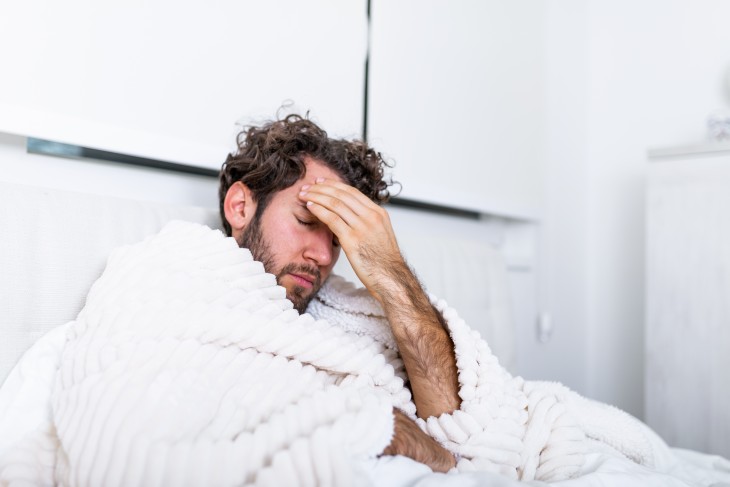
Perhaps the most important lesson in navigating hangovers as you age is learning to listen to your body's signals. If you're feeling the effects of alcohol more strongly or recovering more slowly, these are messages worth heeding.
Your changing relationship with alcohol isn't a sign of weakness—it's simply biology. As your body ages, its priorities and capabilities shift. Respecting these changes rather than fighting them can help you enjoy social drinking occasions without paying such a heavy price the next day.
Yes, hangovers really do tend to get worse with age, thanks to changes in metabolism, liver function, body composition, and hydration levels. But understanding why this happens empowers you to make smarter choices about drinking.
By moderating your alcohol consumption, staying hydrated, eating well, and being mindful of how your body responds, you can reduce the severity of hangovers at any age. And if you find that the cost of drinking has become too high, there's no shame in cutting back or choosing alcohol-free alternatives more often.
After all, the best hangover cure is still prevention—and these days, your body is giving you plenty of reasons to embrace that wisdom.