
By now, you've probably heard of Ozempic - the medication that's been making headlines for its dramatic weight loss results. But alongside the success stories, a new term has been spreading on social media: "Ozempic hands." If you've been wondering what it means, whether it's something to worry about, and what you can actually do about it, read on. We've got the full picture.
What Are "Ozempic Hands," Exactly?
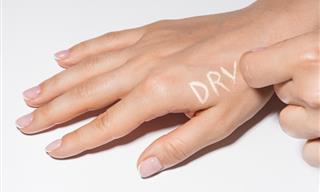
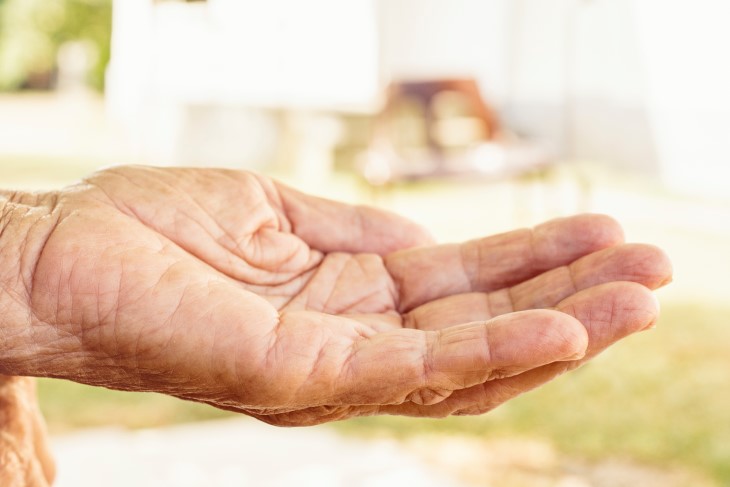
"Ozempic hands" is a social media term used to describe hands that appear older, thinner, or more wrinkled in people who are taking GLP-1 medications like Ozempic. You might notice more visible veins, more prominent tendons, or skin that looks looser than before. These changes can be alarming at first glance - but understanding what's really causing them goes a long way toward putting your mind at ease.
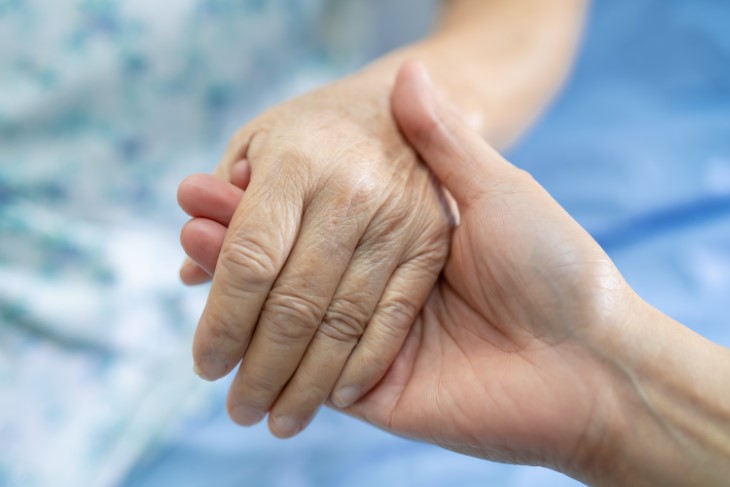
The short answer: it's fat loss, plain and simple. When you lose weight, your body loses fat all over - including your hands. With less subcutaneous fat padding, the underlying anatomical structures like veins and tendons naturally become more visible, and the skin may appear looser or more wrinkled, particularly around the knuckles and finger joints. Fellahealth This isn't unique to Ozempic. Similar cosmetic changes occur with weight loss from any cause, including diet, exercise, and bariatric surgery. Fellahealth
It's Not an Official Side Effect
Here's something important to know: "Ozempic hands" is not a recognized medical condition, and it does not appear anywhere in Ozempic's clinical trial data as a reported side effect. It is an informal term describing cosmetic changes to hand appearance resulting from weight loss during semaglutide treatment, not a recognized medical condition. Fellahealth
That said, Ozempic can cause some skin reactions in certain people. Allergic reactions have been reported with Ozempic use, which may cause skin changes such as swelling, rash, or itchiness - but these effects are typically temporary, and Ozempic has not been shown to directly damage your skin or hands.
It's Not Just the Hands
While hands tend to get the attention, similar changes can happen elsewhere on the body. Rapid weight loss can lead to loose or sagging skin in the face and body - a phenomenon sometimes referred to as "Ozempic face" or "Ozempic body," particularly in areas where fat loss is most dramatic.
What makes these skin changes particularly visible in people over 40 is that collagen production naturally declines at roughly 1% per year after the age of 30. Layer rapid weight loss on top of this existing decline, and the skin loses structural support from multiple directions at once - making the changes more noticeable in middle-aged and older adults.
Why Does the Speed of Weight Loss Matter?
One key factor that determines how noticeable these changes are is how quickly the weight comes off. If weight is lost in a more gradual way, these changes may not be as noticeable. It's the faster pace of weight loss that can make skin changes more obvious. Harvard Health Age, genetics, sun exposure history, and your skin's natural elasticity all play a role as well.
Will It Get Better Over Time?
The good news is that these changes are not necessarily permanent. Skin elasticity can improve with time, and several treatments may help restore the appearance of your hands. Healthline On the non-medical side, resistance training, good nutrition, adequate hydration, and applying a moisturizer may all support the appearance of your hands.
On the skincare front, dermatologists often recommend products containing retinoids and peptides. These are substances that encourage your skin to produce extra collagen and elastin - essentially the "springs and stretch" within the skin. Murad Staying well hydrated is also important, as dehydration can make fine lines and skin laxity look more pronounced.
For those who want to go further, professional treatments are available. RF microneedling helps tighten loose skin and improve texture by stimulating collagen production in the deeper layers of the skin. Injectable treatments like Sculptra encourage the body to rebuild its own collagen over time, with results that can last up to two years. Dermal fillers are another option for more immediate volume restoration.
A Silver Lining Worth Mentioning
While the cosmetic changes from GLP-1 medications get a lot of attention, it's worth noting that these drugs also have some surprising benefits for the skin. GLP-1 medications reduce inflammation and blood sugar levels - and both of those effects can actually improve the look and feel of your skin. Murad Some patients even report that their skin cleared up after starting the medication.