
Struggling with sweet cravings or find yourself reaching for salty snacks between meals? A new study suggests a simple dietary swap could make a significant difference: replacing high-carb snacks with a handful of mixed nuts.
Research published in the journal Nutrients found that young adults at risk for metabolic syndrome who snacked on nuts daily experienced fewer cravings for sweets and fast food, increased their protein intake, and improved their overall diet quality—all without gaining weight.
Researchers at Vanderbilt University Medical Center recruited 84 participants aged 22 to 36, all with at least one risk factor for metabolic syndrome. This cluster of conditions—including high blood pressure, excess belly fat, and abnormal cholesterol levels—increases the risk for heart disease and diabetes.
After a two-week preparatory period, participants were randomly divided into two groups for the 16-week study:
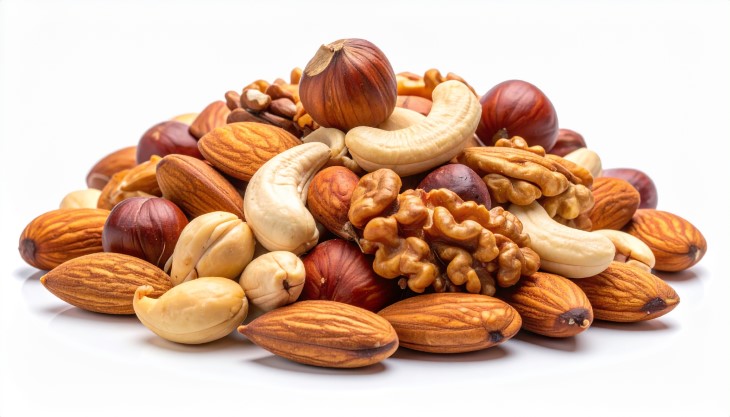
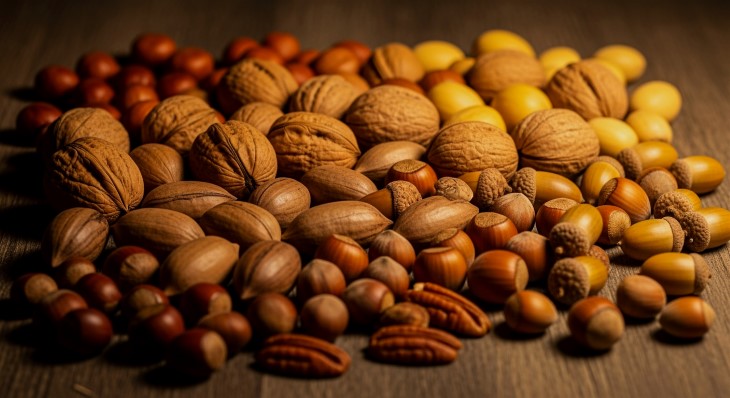
Tree Nuts Group: Consumed 33.5 grams of unsalted raw mixed nuts (almonds, walnuts, pecans, macadamia nuts, hazelnuts, pistachios, and cashews) twice daily.
High-Carb Snack Group: Ate pretzels, animal crackers, graham crackers, or granola bars twice daily.
Both snack types were similar in calories, protein, fiber, and sodium. Participants met with registered dietitians every two weeks for counseling and to receive pre-portioned snacks.

By the end of the study, those eating tree nuts showed remarkable changes:
Reduced Cravings: Participants reported significantly fewer cravings for sweets and fast food. Brownie cravings dropped by nearly half a point on a five-point scale, while cookie cravings decreased by more than 0.6 points.
Less Sweet Preference: About 12.5% fewer people in the nut group preferred sweet flavors compared to the study's start.
Better Food Choices: The frequency of eating frozen desserts and salty snacks decreased, while consumption of protein-rich foods increased by more than four servings daily, especially from seafood and plant-based sources.
Improved Diet Quality: The nut group's Healthy Eating Index score—which measures alignment with national dietary guidelines—improved by 19%, reflecting higher intake of healthy unsaturated fats and protein, plus lower sodium and refined grain consumption.
No Weight Gain: Despite eating calorie-dense nuts, participants maintained their weight. They consumed about 468 grams less food by weight daily while keeping overall calorie intake stable.

These changes were linked to hormonal shifts. The nut group showed increased levels of GLP-1, a hormone that helps regulate appetite, which was associated with reduced cravings for cakes, brownies, candy, and ice cream.
In contrast, the high-carbohydrate snack group experienced less favorable outcomes:
According to Kezia Joy, a registered dietitian and medical advisor with Welzo, nuts' effectiveness comes from their balanced nutrient profile.
"They contain a high amount of fat, protein, and fiber," Joy explains. "The slow digestion of these nutrients creates steady blood sugar and enhances feelings of being satisfied for longer periods."
This blood sugar stability is key. When blood glucose remains steady without spikes and drops, the body sends fewer urgent hunger signals and cravings.
Additionally, nuts require more chewing time and effort compared to other snacks, which contributes to greater fullness and better long-term appetite regulation.
Jacqueline A. Vernarelli, associate professor of Public Health and Director of Research Education and Consultation at Sacred Heart University's College of Health Professions, recommends aiming for about a quarter cup of nuts as a serving.
"Mix it up, literally and figuratively," Vernarelli suggests. Vary your choices among almonds, cashews, walnuts, Brazil nuts, and macadamia nuts—all excellent high-protein, satiating options.
Key tips for healthy nut consumption:

If you're allergic to tree nuts, don't worry—there are excellent alternatives:
Seeds: Sunflower and pumpkin seeds offer protein, healthy fats, and fiber similar to nuts.
Roasted Legumes: Try roasted chickpeas or roasted edamame for a satisfying crunch.
Other Balanced Options: Greek yogurt, hummus with vegetables, or whole grain foods with seed-based spreads can provide similar benefits without the allergy risk.
This study offers compelling evidence that a simple snack swap—replacing typical high-carb snacks with a modest portion of mixed tree nuts—can help young adults at risk for metabolic syndrome reduce cravings, improve diet quality, and support weight management.
By providing sustained energy, promoting fullness, and helping regulate appetite hormones, nuts emerge as a powerful tool for healthier eating habits. Whether you're looking to curb sweet cravings or simply improve your snacking choices, a handful of nuts might be exactly what you need.