
Holiday parties don't have to derail your diabetes management. With smart planning and mindful choices, you can enjoy celebrations while keeping your blood sugar stable.
Notice: This article provides general information only. Always consult your healthcare provider before making dietary changes.
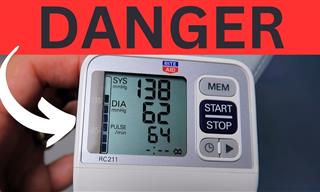
Test your glucose before the party and again 1-2 hours after eating. Set a phone reminder so you don't forget during the festivities.
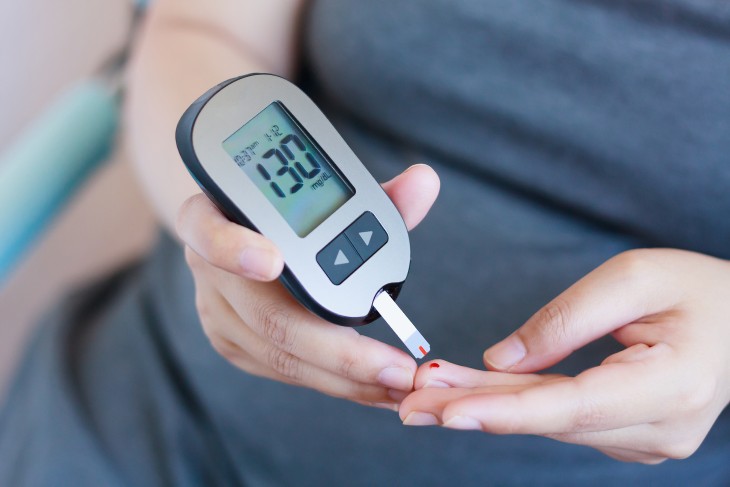
Why timing matters: The American Diabetes Association recommends retesting 1-2 hours after your first bite of higher-carb or sugary foods. This window shows you how your body is responding to what you ate.
Track your patterns: Consider using a diabetes tracking app to monitor your "time in range" (TIR) — the percentage of time your glucose stays between 70-180 mg/dL. Over time, you'll identify which holiday foods trigger spikes and which don't affect you as much.
Create a testing schedule: When you add a party to your calendar, set reminders:
Getting a baseline reading before holiday surprises (like unexpected office treats or drop-in visitors) helps you understand how each situation affects your levels.
Before filling your plate, scan the buffet for diabetes-friendly options:
Load up on these first:

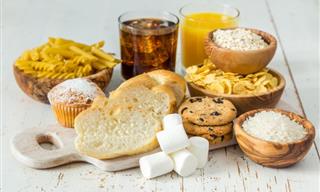
Go easy on:
Choose baked foods over fried, and fill most of your plate with the good stuff before adding small portions of treats.
Holiday cocktails can spike blood sugar quickly. The problem isn't just obvious sweet drinks — even seemingly innocent choices pack hidden sugars.

Smart alcohol choices:
Practical strategies:
Make it last: Holding a drink helps you feel part of the party atmosphere. By diluting your beverage, you can nurse one drink all evening instead of reaching for multiple high-sugar options.

Baking diabetes-friendly desserts using sugar alternatives gives you control and something delicious to share.
Sugar alternatives that work:
Why homemade matters: Store-bought "sugar-free" desserts often contain sugar alcohols that can still affect blood sugar and cause digestive issues. When you bake at home, you know exactly what's in every bite.
Bringing your own dessert also takes pressure off — you'll have at least one sweet option you can enjoy worry-free. Plus, other guests (including those watching their weight or managing prediabetes) will appreciate having a healthier choice.

After eating, get moving. Even light activity like dancing or helping clean up can help lower blood sugar levels.
Why movement matters: Moderate physical activity has been shown to help lower blood sugar after meals. Your muscles use glucose for energy, which pulls it out of your bloodstream naturally.
Easy ways to move at parties:
Timing tip: Aim for 10-15 minutes of light activity about 30 minutes after eating, when blood sugar typically starts to rise. You don't need intense exercise — even standing and moving around instead of sitting is beneficial.

Don't beat yourself up if you overindulge. Diabetes management is a marathon, not a sprint. One party won't ruin your progress — just get back on track the next day.
Reframe your thinking: Managing a medical condition isn't a pass/fail test. Moderation and consistency over time matter far more than perfection at every meal.
What self-compassion looks like:
Get back on track: If you do eat more than planned:
The bigger picture: Holiday celebrations are about connection, gratitude, and joy — not just food. When you shift your focus to the people and experiences, the treats become less central. You can fully participate in the spirit of the season while taking care of your health.
High GI (Avoid or Limit):
Lower GI (Better Choices):
The holidays are about connection and joy, not just food. With these strategies, you can celebrate fully while taking care of your health.