

Your immune system works tirelessly to protect you from illness and infection, but did you know that some of the foods you eat daily might be working against it? While we often focus on what to eat to boost immunity, it's equally important to understand which foods can weaken our body's natural defenses.
The relationship between diet and immune function is profound. A nutrient-dense, well-rounded diet acts as fuel for your immune system, while a diet low in nutrients and high in ultra-processed foods can significantly impair your body's ability to fight off threats. Understanding which foods fall into the latter category can help you make better choices for your long-term health.
1. The Sweet Saboteur: Added Sugar

Perhaps no food ingredient does more damage to your immune system than added sugar. When you consume foods high in added sugars, your blood sugar spikes dramatically, triggering the production of inflammatory proteins like tumor necrosis alpha, C-reactive protein, and interleukin-6. These proteins directly interfere with your immune system's ability to function properly.
The damage goes beyond inflammation. High blood sugar levels can actually inhibit neutrophils and phagocytes—two crucial types of immune cells that serve as your body's first line of defense against infection. Additionally, elevated blood sugar can compromise your gut barrier function and disrupt the delicate balance of bacteria in your digestive system, making you more susceptible to illness.
Research has consistently demonstrated this connection. A 2012 study involving 562 older adults found that those with elevated blood sugar levels had both weaker immune responses and higher levels of inflammatory markers. The evidence is particularly concerning for people with diabetes, who may experience prolonged periods of high blood sugar.
To protect your immune system, limit your intake of ice cream, cake, candy, and sugary beverages. Your body will thank you with stronger, more effective immune responses.
2. The Salt Trap: High-Sodium Foods

That bag of chips or frozen dinner might be convenient, but the high sodium content could be compromising your immune system. Research has shown that excessive salt intake triggers tissue inflammation and may increase the risk of autoimmune diseases.
In a fascinating 2016 study, researchers tracked six healthy men as they consumed varying amounts of salt over several months. When the participants consumed 12 grams of salt daily—about double the recommended amount—they showed elevated levels of inflammatory white blood cells called monocytes, along with increased inflammatory markers. Simultaneously, their levels of anti-inflammatory proteins decreased, indicating an overactive and potentially harmful immune response.
Salt doesn't just promote inflammation; it can actively suppress your body's anti-inflammatory responses, alter your gut bacteria composition, and promote the development of immune cells associated with autoimmune diseases. Some researchers believe that excessive salt consumption may be contributing to the rise in autoimmune diseases in Western countries.
The impact is particularly pronounced for people already dealing with autoimmune conditions like ulcerative colitis, Crohn's disease, rheumatoid arthritis, and lupus, where high salt intake can worsen symptoms.
3. The Omega Imbalance: Too Much Omega-6
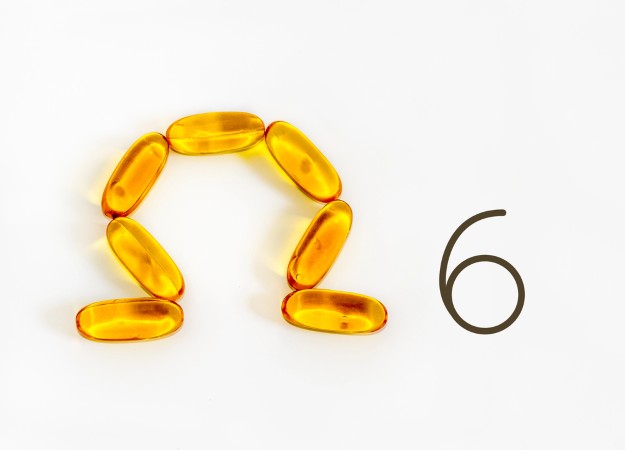
While your body needs both omega-6 and omega-3 fatty acids to function properly, Western diets have created a problematic imbalance. We consume far too many omega-6 fats and not nearly enough omega-3s, and this imbalance may be weakening our immune systems.
Diets high in omega-6 fats promote the expression of pro-inflammatory proteins that can impair immune function. In contrast, omega-3 fats help reduce the production of these harmful proteins and support healthy immune responses. Studies in people with obesity have shown that high omega-6 intake can lead to immune dysfunction and increase the risk of conditions like asthma and allergic rhinitis.
Experts recommend maintaining a healthy ratio of omega-6 to omega-3 fats, ideally between 1:1 and 4:1. This means increasing your consumption of omega-3-rich foods like salmon, mackerel, sardines, walnuts, and chia seeds while reducing your intake of omega-6-heavy oils like sunflower, canola, corn, and soybean oil.
4. The Fried Food Problem: AGEs and Inflammation

Fried foods present a double threat to your immune system. First, the high-temperature cooking process creates harmful compounds called advanced glycation end products (AGEs). When sugars react with proteins or fats at high temperatures, these AGEs form and can accumulate in your body, contributing to inflammation and cellular damage.
AGEs weaken your immune system through multiple pathways: they promote inflammation, deplete your body's antioxidant defenses, cause cellular dysfunction, and negatively affect your gut bacteria. Research suggests that diets high in AGEs may increase susceptibility to diseases like malaria and raise the risk of metabolic syndrome, certain cancers, and heart disease.
Common culprits include french fries, potato chips, fried chicken, pan-fried steak, fried bacon, and fried fish.
By reducing your consumption of these foods, you can significantly decrease your AGE intake and support better immune function.
5. Processed and Charred Meats: A Toxic Combination

Processed and charred meats combine several immune-suppressing factors into one problematic food category. Like fried foods, they're extremely high in AGEs—with items like fried bacon, broiled hot dogs, roasted chicken thighs with skin, and grilled steak containing some of the highest AGE levels found in any foods.
These meats are also typically high in saturated fat, which research suggests may contribute to immune system dysfunction when consumed in excess and when unsaturated fat intake is low. High saturated fat consumption can contribute to systemic inflammation and harm immune function through multiple mechanisms.
The health risks extend beyond immune suppression. High intake of processed and charred meats has been linked to various diseases, including colorectal cancer, making them a poor choice for overall health.
6. Fast Food: A Perfect Storm of Immune Suppressors

Fast food represents perhaps the most comprehensive assault on your immune system, combining multiple problematic elements into convenient packages. These highly processed foods drive inflammation, increase gut permeability, and cause bacterial imbalances in your digestive system—all of which negatively impact immune health.
But the problems don't stop with the food itself. Fast food often contains concerning levels of chemicals called phthalates, including DEHP and DiNP, which can leach into food through packaging or plastic gloves worn during preparation. These chemicals disrupt your endocrine system and may increase the production of inflammatory proteins that weaken your immune response.
Phthalates also reduce gut bacteria diversity, which is crucial for maintaining a healthy immune system. The more diverse your gut microbiome, the better equipped your immune system is to handle threats.
7. Additive Overload: Hidden Immune Disruptors

Many processed foods contain additives designed to improve shelf life, texture, and taste, but some of these additives may be undermining your immune system. Emulsifiers, commonly added to processed foods, can alter gut bacteria, damage your intestinal lining, and promote inflammation—all of which contribute to immune dysfunction.
Specific additives of concern include carboxymethylcellulose (CMC) and polysorbate-80 (P80), which have been linked to immune problems in animal studies. Carrageenan, another common additive, may induce intestinal inflammation and inhibit immune responses, though more research is needed to fully understand its effects in humans.
Other potentially problematic additives include corn syrup, excess salt, artificial sweeteners, and citrate. While the research is ongoing, the evidence suggests that minimizing consumption of heavily processed foods with long ingredient lists is a wise choice for immune health.
8. Refined Carbohydrates: Blood Sugar Spikes and Immune Dips

Highly refined carbohydrates like white bread and sugary baked goods can harm your immune system in ways similar to added sugars. These high-glycemic foods cause rapid spikes in blood sugar and insulin levels, potentially leading to increased production of free radicals and inflammatory proteins like C-reactive protein.
Beyond the immediate inflammatory response, a diet rich in refined carbs can alter your gut bacteria composition in ways that negatively affect immune function. Your gut microbiome plays a crucial role in immune health, and disrupting this delicate ecosystem can have far-reaching consequences.
Instead of refined carbs, choose nutritious, high-fiber carbohydrate sources like starchy vegetables, oats, fruits, and legumes. These foods provide steady energy without the immune-suppressing blood sugar spikes.
9. The Fat Factor: When Good Fats Go Bad

Not all fats are created equal when it comes to immune function. Diets high in saturated fats and low in unsaturated fats have been associated with immune dysfunction. High saturated fat intake can activate inflammatory signaling pathways that inhibit immune function and may increase your susceptibility to infection by suppressing immune system activity and white blood cell function.
Animal studies have shown that high-fat diets can cause harmful changes in gut bacteria and damage the intestinal lining, potentially increasing infection and disease risk. While researchers are still investigating exactly how different fatty acids affect the immune system, the evidence suggests that balance is key.
A well-balanced diet that includes plenty of fiber and healthy fat sources—like those found in nuts, seeds, avocados, and fatty fish—is likely the best approach for supporting immune health.
10. Artificial Sweeteners: Not So Sweet for Immunity

While artificial sweeteners might seem like a healthy alternative to sugar, emerging research suggests they may come with their own immune-related risks. Certain artificial sweeteners have been linked to altered gut bacteria composition, increased gut inflammation, and blunted immune responses.
Sweeteners like sucralose and saccharin may induce gut bacteria imbalances, and some researchers believe that overusing these artificial sweeteners could be detrimental to immune health. Limited research has even suggested that high intake of artificial sweeteners might contribute to the progression of autoimmune diseases, though more studies are needed to confirm this connection.
The research isn't entirely conclusive—some studies have found that moderate daily intake of artificial sweeteners doesn't cause significant changes in gut bacteria or immune function. However, given the potential risks and the availability of natural alternatives, limiting artificial sweetener consumption may be a wise precautionary measure.
Building a Stronger Defense
Understanding which foods can weaken your immune system is just the first step. The path to better immune health involves more than just avoiding problematic foods—it requires embracing a lifestyle that supports your body's natural defenses.
Focus on building a diet rich in whole, nutrient-dense foods while minimizing ultra-processed options. This means choosing fresh fruits and vegetables, lean proteins, whole grains, nuts, seeds, and healthy fats. These foods provide the vitamins, minerals, antioxidants, and other compounds your immune system needs to function optimally.
Remember that immune health isn't just about diet—adequate sleep, regular exercise, stress management, and maintaining social connections all play crucial roles in keeping your immune system strong. By taking a comprehensive approach that addresses diet and lifestyle factors, you can give your immune system the support it needs to protect you effectively.
The foods you choose today shape your immune system's ability to protect you tomorrow. Make those choices count.