
Your Grandson Might Be "Looksmaxxing" - Here's What That Means
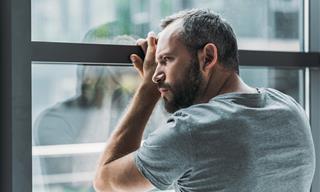
If you've noticed a teenage boy in your life spending an unusual amount of time scrutinizing his jawline in the mirror, watching videos about bone structure, or talking about getting cosmetic procedures - he may have stumbled into one of social media's more troubling new trends. It's called looksmaxxing, and mental health experts are increasingly worried about what it's doing to young men.
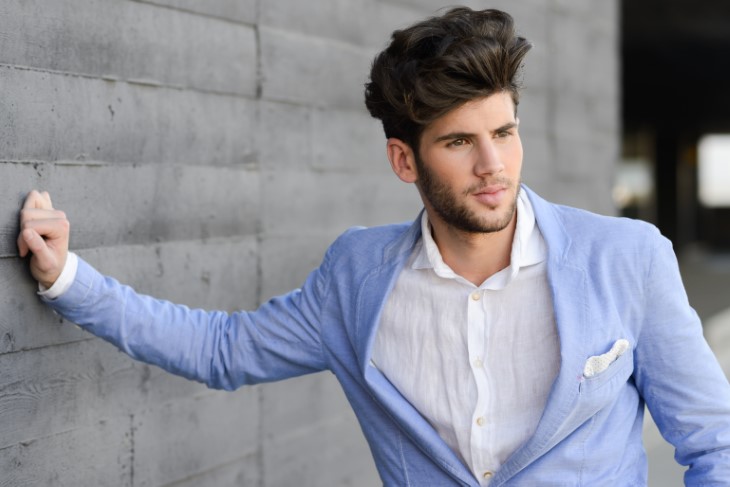
The term refers to the obsessive pursuit of physical "optimization" - engineering your face and body toward some idealized standard of male attractiveness. On platforms like TikTok and Instagram, it has spawned an entire ecosystem of content pushing a very specific checklist: a chiseled jawline, deep-set "hunter eyes," a muscular build, perfect symmetry, and a height of at least 6'1". Anything short of this ideal, these communities suggest, puts a man at a disadvantage in life, love, and social status.
Where It Came From
Looksmaxxing didn't begin as a mainstream trend. The term originated on male incel message boards in the 2010s Wikipedia, in corners of the internet where some men had concluded that physical appearance was the primary currency of male worth. Over time, the language migrated to TikTok and YouTube, where it was repackaged as something that looks much more like ordinary self-improvement advice - eat well, go to the gym, take care of your skin. But mixed into that advice are increasingly extreme ideas.

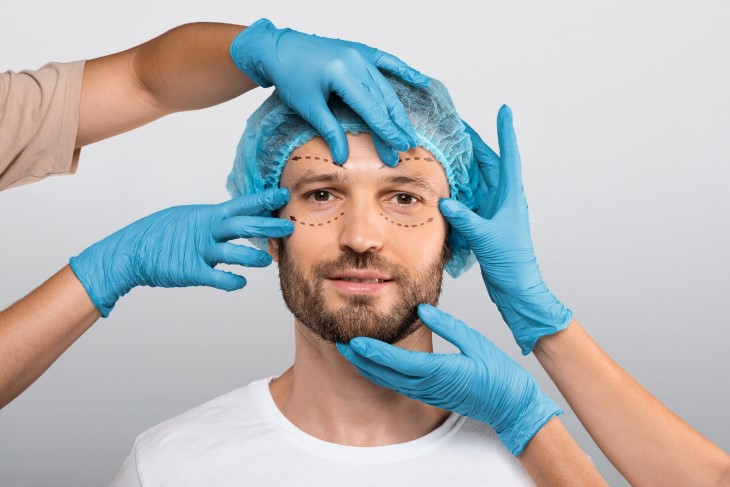
The trend divides into two main forms. "Softmaxxing" involves subtler changes - grooming routines, skincare, diet adjustments, and practices like "mewing" (pressing your tongue to the roof of your mouth in hopes of reshaping your jawline). "Hardmaxxing" is far more serious, encompassing cosmetic surgery, unlicensed drugs, and dangerous DIY practices. WRD News One particularly alarming example is "bonesmashing" - repeatedly striking one's own facial bones with a hard object in an attempt to reshape them. Facial plastic surgeon Edward Kwak warns this can cause significant disfigurement, damaging fragile nerves and bones in the cheek region.
The Numbers Are Alarming
This isn't a fringe phenomenon affecting a handful of troubled teens. A 2025 Movember study found that 63% of young men follow influencers who discuss masculinity - and while 43% find this content motivating, 27% say it makes them feel worthless. Bitdefender
The physical consequences are measurable too. According to eating disorder specialist Jason Nagata of UC San Francisco, eating disorder hospitalizations among boys have increased 400% since 2002. A 2022 study of over 1,500 young men found that more than half had changed their eating habits to try to build muscle or improve their physique, with over 10% using unregulated muscle-building substances including growth hormone.
A Crisis Hidden in Plain Sight
Part of what makes this trend so dangerous is how invisible it can be to the adults around these young men. Some studies suggest that as many as 40% of people with body dysmorphic disorder are male - yet it remains a common misconception that eating disorders and body image issues predominantly affect young women.
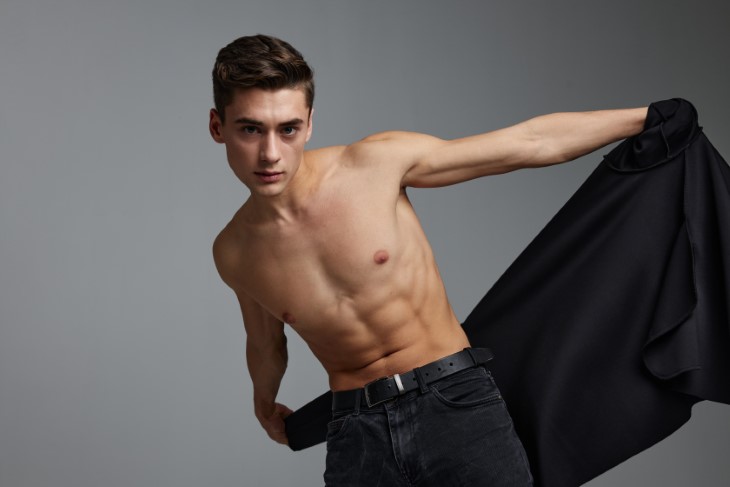
There's also a specific condition worth knowing about: muscle dysmorphia, sometimes called "bigorexia" or "reverse anorexia." People with this condition develop a compulsive relationship with exercise and dieting, and many turn to anabolic steroids without medical guidance. It carries a high comorbidity rate with OCD, depression, and anxiety - and a significant correlation with suicidal ideation.
Why are boys so reluctant to ask for help? Researchers point to cultural norms around masculinity - the idea that real men are self-reliant and in control of their emotions - that actively discourage young men from seeking support for body image struggles.
What You Can Do
Proponents frame all of this as self-improvement. Experts frame it differently. "There's nothing wrong with wanting to look good," says Christine Ruberti-Bruning, a licensed therapist and certified eating disorder specialist, "but looksmaxxing is rooted in self-hate and trying to fit in, at the cost of your health and safety."
The line, she and others say, lies in the motivation. Self-improvement driven by genuine wellbeing looks very different from changes driven by anxiety, shame, and a sense that you are fundamentally not enough.
So what can parents and grandparents do? Experts suggest a few practical steps.
First, be curious rather than dismissive if a young man brings up these topics - shaming or mocking the trend can shut down the conversation entirely. Second, help them audit their social media feeds, since following accounts that promote realistic, healthy masculinity can gradually shift the mental environment. And perhaps most importantly, keep investing in real-world connection. Feeling seen and valued by actual people in their lives is the most powerful antidote to the anonymous rating culture these online communities promote.
If you notice signs of obsessive behavior around appearance, significant anxiety, restricted eating, rapid weight changes, or any form of self-harm, it may be worth gently encouraging a conversation with a counselor or therapist. Doctors suggest asking open-ended questions - not just "are you trying to lose weight?" but "are you trying to change your body in any way?" - since boys engaged with looksmaxxing communities are more likely to be focused on building muscle than on losing weight.
These trends move fast online. But the insecurities driving them are as old as adolescence itself - and the young men caught up in them deserve understanding, not judgment.