
|
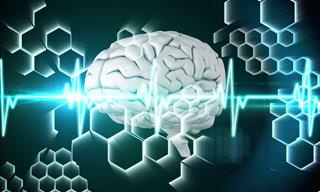
While you think most of the behavior, moods and feelings you have are something you control, much of it is beyond our ability and is in fact involuntary reactions in our brains. Luckily scientists have been hard at work investigating neurons, and whether some of them can be controlled, like the on and off of light switches. |
|
|
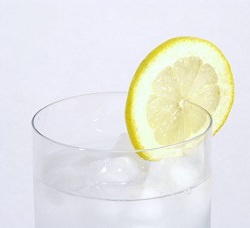
Thirst The hypothalamus area of the brain controls thirst and inquiring neuroscientists at Colombia University identified two sets of neurons relating to hydration. Via experiments with mice, the scientists activated these neurons. They found that the mice became extremely thirsty despite being adequately hydrated, and the inverse happened when the second neuron was activated: they failed to drink despite not being properly hydrated. |
|
|
Hunger Like with thirst, scientists at John Hopkins University wanted to see if hunger could be controlled. After locating the neurons responsible for eating impulse, these researchers activated and blocked these neurons in mice. They had similar results to their Colombia University peers, with the mice overeating despite being full and showing no interest in food despite having real hunger. This discovery has tremendous relevance for eating disorders and weight control. Consciousness
Pain While pain can be dulled and eased with drugs, there is the drawback of nasty side effects. Through their work trying to alleviate chronic pain researchers at St. Louis University found that activating the A3 adenosine receptor in either the brain or the spinal cord of rodents allowed for pain to be successfully blocked. |
|
|
Violence Neuroscientists at New York University manipulated neurons associated with violence in mice. The team effectively transformed mice into violent aggressors and then placated them into peaceful creatures. Interestingly the team also found that the neurons relating to violence overlap with neurons relating to love making, and that love making would temporarily curb the mice’s need for violence. |

![]() |
| Source | |
|
Habits Neuroscientists working with rats discovered that there are neurons associated with forming habits and that these could also be controlled. Experiments set up in mazes allowed the rats to be cured of repetitive habits. While at present this is not transferable to humans, there is value in further research down this avenue for future habit curtailing treatments. Depression, Parkinson’s, and Possibly Alzheimer’s The University of Toronto neurosurgeon Andres Lozano has been using electricity to trigger misfiring neurons to work and curb abnormal neurons from firing. He has been using this method to treat depression and shaking in Parkinson’s. Presently Lozano has launched a clinical trial for mild Alzheimer’s sufferers to see if electrical stimulation works with rejuvenating memory and cognitive decline. The results will be released in a few months. It’s exciting to know the ways scientists are researching our brains and to hear about the possibilities that await us in the future. |
|

Best Nootropics: Boost Your Brain Power
Discover the best nootropics scientifically formulated to enhance cognitive function, improve focus, boost memory, and support overall brain health.
21:04
How to Hack Your Brain For Better Control
What kind of tricks does our brain play on us?
Seeing is Believing: Bionic Eyes and Advanced Eye Care
The advancements in eye technology are incredible, and this work has exciting benefits for everyday eye care.
Scientists Make Huge Breakthrough in Cancer Treatment
Scientists might have just found a revolutionary way to fight cancer. Read about it here.
The Musical Test That Could Detect Dementia Early
Researchers have developed a promising new approach: using music to detect the early signs of cognitive decline.
Friendship Might Be One of the Secrets to Healthy Aging
A recent study finds that senior individuals with exceptionally good memory and cognitive function are the ones with strong relationships.
1:48
Got a Headache? These Natural Remedies Will Cure It...
Natural techniques that will help you cure a headache in a matter of minutes.
6:39
Worried About Your Posture? Try These 3 Simple Exercises
Since we sit in front of computers for so many hours each day, it's easy to get a hunchback posture. Improve it by performing these quick exercises!
Brain Cancer: What Symptoms Should You Watch Out For?
This article provides an overview of brain cancer, including the main types, early warning signs, how it’s diagnosed, key statistics, and new developments in detection.
Medical Guide: All About Hip Replacement Surgery
Hip replacement surgery can alleviate pain, restore hip function, and improve mobility and quality of life.
Which Drinks Increase Your Risk of Stroke?
Let’s see what exactly these studies say, which drinks are worth drinking more of, and which ones are best to avoid.
4:29
What’s the Difference Between Depression and Sadness?
A video describing clinical depression, its attributes and how to help depressive individuals.
13:03
Easy Upper Body Workout to Help Seniors Stay Active
Here's an easy and effective workout for seniors to build their upper body strength.
5:04
Ever Wondered How Hormones Work? Well, Wonder No More!
Ever wondered how hormones work? Well, wonder no more as this informative TED-Ed video explains all!
7:01
Fun Exercises to Strengthen the Hands, Forearms and Wrists
These simple exercises everyone can do in the comfort of their home will make your hands, forearms and wrists strong again and forever
Discover the Many Health Benefits of Massage Therapy
Learn about the different types of massage therapy, each dealing with a different health problem.
13:59
Why Your Blood Pressure Numbers Might Be Inaccurate
These simple mistakes can lead to wrong blood pressure numbers.
10 Cholesterol-Rich Foods: Which are Healthiest to Eat?
This article looks at which cholesterol-rich foods are more recommended and which are less.
4:12
Explaining Fibromyalgia and the Pain it Causes
This video sheds some light on this mysterious disease.
9:26
Fix Muscle Knots in the Neck and Shoulders in a MINUTE!
You can do these easy exercises anywhere, anytime, and they will help you get rid of muscle knots in under a minute!
Castor Oil For Hair Loss: the Facts
Is there truth to the claims about castor oil fighting hair loss? Let's find out
14:09
8 Vitamins Every Senior Should Take for Strong Legs
These eight essential vitamins support leg health, reduce cramping, and keep you moving comfortably.
16:40
Over 50? These 7 Key Muscles Keep You Moving & Strong
If you are over 50, you must watch this video for your health...
Exercises: Four Areas in the Body Women Need to Strengthen
Get to know 4 very important areas every woman must strengthen - and of course, how to do so.
10 Terrific Health Benefits of Chives
The myriad health benefits of Chives have been known since the days of the Roman Empire.
5:29
Cancer Stages: How Cancer Type Affects Staging
The stage of cancer is more than just a number.
15:36
A Simple Workout for Joint Pain and Cardiovascular Health
If you aren't as mobile as you used to be, this video is for you.
4:19
Which Is Better for You: Brown or White Eggs?
Are brown eggs really healthier than white eggs? Let’s find out.
4 Areas in the Body Women Must Exercise and How to Do So
In the following article we explore 4 important body areas for women to improve and exercises to do so.
12:29
Health Problems Your Feet Might Be Telling You About
Pay close attention to your feet. They might be telling you about some hidden health issues.
How to Start Getting Into Shape Without Equipment
Today you'll learn about 10 exercises you can do right now at home
5 Common Misconceptions About Antidepressants
A breakdown of five of the most persistent myths about antidepressants.
3:14
Let's Talk About the Anti-Cancer Benefit of Sweet Potatoes
Lets Talk About the Anti-Cancer Potential of Sweet Potatoes
Lose Weight by Using This Japanese Breathing Technique
This extraordinary deep-breathing weight-loss technique is known as the Japanese breathing technique to losing weight.
5:51
Understanding How Alzheimer’s Affects the Brain
Find out how Alzheimer's disease impacts the brain and why finding a cure remains challenging.
This Energy Drink Ingredient Could Be Causing Cancer
The research shows that leukemia cells absorb taurine and use it as fuel to sustain their rapid proliferation.
2:53
Reduce Knee Pain With These 2 Exercises!
These 2 gentle stretches are great exercises for reducing knee pain.
5 Things to Know Before Abandoning Your Exercise Routine
5 negative experiences your body will go through if you stop exercising on a regular basis.
11:25
10 Popular Health Hacks That Do More Harm Than Good
It’s time to stop falling for these fake health hacks!
14:07
Feeling Anxious During Bedtime? This Guide Will Help
Felling anxious while going to bed? Listen to the tips shared by this therapist on how to train your brain to worry less.
1:35
Finally An Answer: Is Cracking Your Knuckles Bad For You?
Have you ever wondered what is that cracking noise and whether or not it's bad for you?
11 Health Benefits of the Glasswort Plant
In addition to reducing sodium intake, salicornia has several other health benefits that we think you should know about...
7:25
What REALLY Happens When We Go Under Anesthesia
Learn how anesthetic drugs work on your brain, why you don't remember anything, and how it differs from natural sleep.
1:22
WATCH: What Do Your Fingernails Say About Your Health?
Your fingernails can say a whole lot about your health, and this video will show you why you should pay more attention to them in the event of abnormalities.
The Link Between Nightmares and Autoimmune Disorders
Nightmares might serve as an early warning system for the onset of autoimmune disorders in the brain, according to new research.
8:06
Doctor Reveals the Ice Creams That Can Harm Your Health
A doctor reveals the worst and best ice creams you can eat for your health.
5:18
Test Your Hearing: Can You Hear that Last Sound?
As we grow older, we can hear less and less sound frequencies. How young are your ears? Take this audio test.
To enable your Ad-Free Subscription, please fill the fields below
Your subscription was successful, now you can enjoy an ad-free experience!! Note: To make sure you get no ads, please make sure to log in to your account. If you are logged in already, then refresh the page. The subscription can be cancelled at any time.

It seems consciousness and awareness go hand in hand. While researchers at George Washington University were stimulating a woman’s claustrum (a passage of neurons in the cerebrum), they unintentionally caused her to lose consciousness but not fall asleep. The result was puzzling as the patient was awake but remained stationary, not responding to any stimuli and had no memory of this time when she regained consciousness. Similarly, through other studies it’s been shown that the humans can switch off their self-awareness when stressed. It has also been observed that when forced to focus on deadlines, the cortex ushers in a robotic like mode of consciousness.