
|
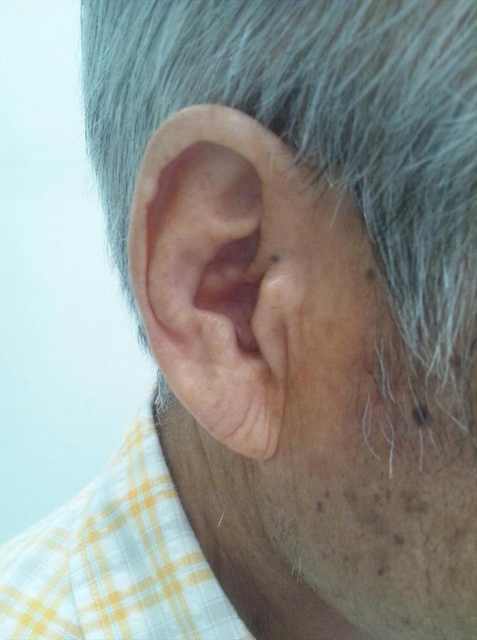
Could that small vertical mark on your ear have something to do with heart disease? Here is a simple test that could protect you from serious damage to your health.
But before you start worrying, here are some basic statistics and background on the test. Since Dr. Frank's studies were published, more scientists have looked into the correlation between the earlobe crease and heart disease.
One study conducted in 1980 found that there was no significant relationship between earlobe creases and coronary artery disease in American Indians, suggesting that "Frank's sign" may not have the same level of indication in other ethnic groups. Another study on Japanese Americans also found no correlation between earlobe creases and heart disease. Yet other scientists propose that because the studies are usually conducted on patients over the age of 50, the results may be biased as individuals naturally have a higher risk for these diseases as they age. It could be that earlobe creases are simply a sign of the natural aging process. Despite these doubts, most scientists and doctors agree that the appearance of an ear crease at the age of 50 and below could be a good indication that the body is not as healthy as it should be. For this reason, if you have an earlobe crease, or know someone with one, it is important to consult a doctor who can test your blood and determine if this odd indicator holds any truth. And remember, heart disease can be treated and even stopped in its tracks, and once it has disappeared, so too will the earlobe crease! |

The Screenings to Know at 40, 50 & 60
a comprehensive guide to the most recommended physical health tests for U.S. adults in midlife and beyond, grouped by age.
Is Weekend Sleep as Good as Regular Sleep? Let's Check
If you thought sleeping in on the weekend was a bad habit, you're about to find out that it's quite the opposite.
A Simple Blood Test Could Detect Alzheimer Years Earlier
A few years ago, researchers have discovered a gene that could revolutionize how we diagnose Alzheimer's disease - and they found it by asking a simple question: Why do some people's brains succumb to the disease while others don't?
These Non-Routine Medical Tests Could Save Your Life...
Here are 8 non-routine tests that really have the potential to save your life, and some of them even need to be taken as early as 30.
The Musical Test That Could Detect Dementia Early
Researchers have developed a promising new approach: using music to detect the early signs of cognitive decline.
Studies Show: How Work Can Shorten Our Lifespan
You are invited to learn about these studies and discover how many working hours could actually endanger your life.
2:52
Is It Ever Safe to Eat Food with Mold on It?
Mold on food raises a lot of questions, and the answers depend on what you’re eating.
5:07
Forget Pills! Here's How to Naturally Ingest Aspirin
Did you know that aspirin's active ingredient can be obtained from many different kinds of plants? Find out more here.
6:18
Experience Instant Benefits with This Thumb Technique!
Try this thumb reflex technique to experience multiple health benefits!
5:22
Why Cucumbers are a Hidden Secret for Better Health
The humble cucumber can transform your health in ways you might not expect.
Studies Show: How Work Can Shorten Our Lifespan
You are invited to learn about these studies and discover how many working hours could actually endanger your life.
4:12
Explaining Fibromyalgia and the Pain it Causes
This video sheds some light on this mysterious disease.
4:52
The Many Mental and Emotional Benefits of Owning a Pet Dog
Dogs are loving, cute and fiercely loyal, but can they actually provide us emotional and mental support?
16:35
Low-Impact Cardio for Seniors: No Equipment Needed
This 16-minute standing cardio and balance workout is designed with seniors in mind.
15:14
Feeling Off? 8 Signs Your Cortisol May Be High
How do you know if your cortisol is high?
5:05
Frustrated With Your Dandruff? Here’s How to Get Rid Of it
Dandruff can be quite irritating, particularly in the winter months. Learn what causes it and you can get rid of it.
Health Tip: What's Riskier, Sweet Drinks or Sweet Foods?
Why are sweet drinks more risky and harmful than sweet foods are?
5:20
Doctor's Advice: What is the Best Way to Cook Vegetables?
We compare ways to cook vegetables to see which method is the healthiest.
5:11
Why Clove Water Could Change Your Health Forever
Adding a few cloves to your morning water could transform your wellness routine.
Top 5 Killers in the West: How Lifestyle Drives Death
The 5 top causes of death in the developed world and the reasons leading to them.
7:25
What REALLY Happens When We Go Under Anesthesia
Learn how anesthetic drugs work on your brain, why you don't remember anything, and how it differs from natural sleep.
5:04
Ever Wondered How Hormones Work? Well, Wonder No More!
Ever wondered how hormones work? Well, wonder no more as this informative TED-Ed video explains all!
15:03
Want Strong Teeth? Try These 5 Cavity-Fighting Fruits!
These foods work wonders for oral health.
8:56
Start Soaking Raisins! Here’s Why It’s Worth It
Start your day with soaked raisins for multiple health benefits.
The Silent Bite: Chagas Disease Spreading in the USA
In recent years, the narrative surrounding Chagas disease in the US has shifted significantly...
10:40
Instant Back Pain Relief - How to Decompress the Spine
These spinal decompression exercises will help you relieve the pain, stiffness, and pressure throughout the entire spine almost instantly.
7:10
Guide: How to Set Achievable Health Goals for the New Year
Here's a guide on how to set meaningful health goals for 2025.
When are Anticoagulants Considered a Health Hazard?
There are several types of anticoagulants, each with different side effects, but no matter which type you take, there are some things you should do and others you should avoid.
Understanding Polycythemia Vera: A Comprehensive Guide
. This comprehensive guide will walk you through what polycythemia vera is, its causes, symptoms, treatment options, and what the future holds for patients living with this condition.
A Simple Blood Test Could Detect Alzheimer Years Earlier
A few years ago, researchers have discovered a gene that could revolutionize how we diagnose Alzheimer's disease - and they found it by asking a simple question: Why do some people's brains succumb to the disease while others don't?
27:11
Learn the Truth About 5 Popular Health Food Trends
Watch this video to learn some revealing truths about a few popular health food trends.
13:42
Truth or Myth: Are Fruits as Sugary as Candy?
Here are 19 diet myths about debunked. Which one did you believe in?
10:56
12 Common Myths About Yoga DEBUNKED By Experts
Do you have to be flexible to practice yoga? Is yoga safe for pregnant women? Here are 12 common myths about yoga you should not buy into!
12:00
Easy Exercises to Keep Your Blood Pressure in Check
These gentle exercises may help bring balance to both body and mind.
8:01
The Main Mineral Deficiency Causing Aging Spots
Find out what causes aging spots and how you can treat them.
5 Simple Morning Stretches for Joint Pain Relief
The following 5 stretches are specifically designed for those suffering from joint pain, and with them, you can bring routine back to your life and a smile to your face.
This 10-Second Trick Will Ease Your Neck Pain
So, what exactly is tummy time for adults, and how do you do it? We’ll explain everything to you now.
These Healthy Foods Do Weird Things To the Human Body!
Everyday foods like cilantro, pine nuts, and green tea can prompt the human body to react in many surprising ways!
9:21
Is Organic Food As Healthy and Nutritious As Advertised?
Are organic foods really as healthy and sustainable as advertised, or is it just another advertising campaign? Find out from this video right now.
5:35
The Real Cause of Stomach Ulcers Will Surprise You!
It’s a common misconception that stomach ulcers are caused by emotional upsets, spicy food, or psychological distress. But this is not the case...
16:54
Watch How This 100-Year-Old Stays Sharp and Healthy
Is there a secret to longevity? Find out here...
Health Tip: Is the Mercury in Fish a Real Danger to You?
In this article we'll simplify the issue of mercury in fish, answer this question for you now, and show you exactly what you need to do.
7:47
Health Advice: Can Too Much Iron Make You Age Faster?
Let’s take a closer look at how iron affects aging and what you can do about it.
A 'Brain Fog' Epidemic? Study Shows a Worrying Trend
Analysis of over 4.5 million U.S. survey responses spanning a decade (2013–2023) shows a rise from 5.3% to 7.4% in reported cognitive disability nationwide, with an exceptional surge in the 18–39 age group and a clear influence of income and educatio
13:04
At 98, This Doctor wasStill Sharp. What was His Secret?
What is the secret to a long healthy life by one who has done it himself.
10 Daily Habits that Contribute to Your Lower Back Pain
Here are 10 daily activities that might be causing your back pain and that you should be aware of in order to stop them.
To enable your Ad-Free Subscription, please fill the fields below
Your subscription was successful, now you can enjoy an ad-free experience!! Note: To make sure you get no ads, please make sure to log in to your account. If you are logged in already, then refresh the page. The subscription can be cancelled at any time.

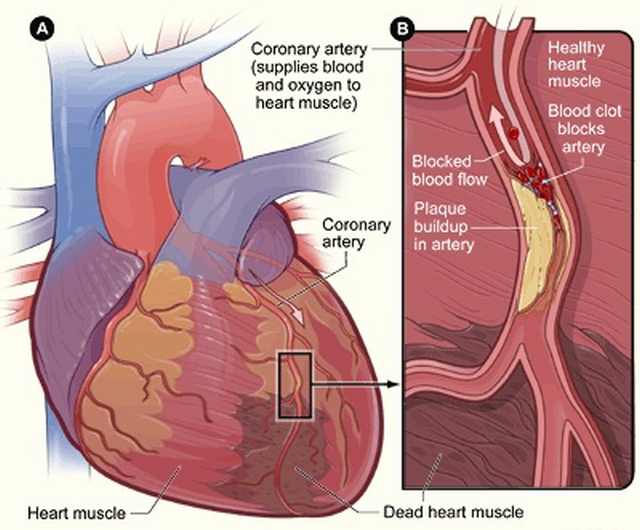
Biologically, ear creases result when the elastic tissue around the small blood vessels in the ear begins to degenerate. This is the same type of change that occurs in the blood vessels when one has coronary artery disease. Therefore, scientists concluded that the visible change in the earlobe could be an indication of more serious changes occurring in the blood vessels around the heart.