
Turning off the bathroom lights before your evening shower sounds odd - but there’s real science behind why it could improve your rest.
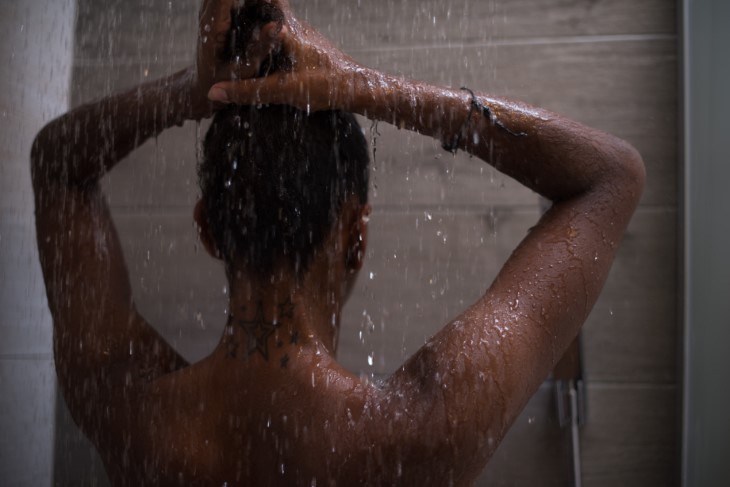
If you’ve ever struggled to fall asleep at night, you’ve probably tried all the usual advice: avoid screens before bed, drink chamomile tea, keep your bedroom cool. But a newer trend making the rounds on social media suggests something far simpler - and a little unexpected. It’s called “dark showering,” and it involves taking your nighttime shower with the bathroom lights dimmed very low or switched off entirely.
At first glance, it might sound like just another quirky internet fad. But when you dig into the reasoning behind it, dark showering actually touches on some well-established principles of sleep science. Here’s what’s going on, and whether it’s worth adding to your nightly routine.
How Does Dark Showering Work?
The concept rests on two key mechanisms that your body uses to prepare for sleep: temperature regulation and light exposure.
When you take a warm shower, your body temperature rises. Then, as you step out and begin to cool down, your core temperature drops - and that drop is actually one of the signals your brain relies on to initiate sleep. Neuroscientist and sleep researcher Dr. Chelsie Rohrscheib explains that the brain needs a slight decrease in core temperature, roughly one degree, to successfully transition into sleep mode. A warm shower followed by the natural cooldown afterward essentially mimics this process and nudges your body in the right direction.
The “dark” part of the equation tackles the other half of the puzzle: light. Our brains produce melatonin, the hormone that regulates our sleep-wake cycle, in response to diminishing light levels. When we’re exposed to bright lights in the evening - whether from overhead bathroom fixtures, phone screens, or televisions - melatonin production gets suppressed, making it harder to feel drowsy at bedtime. By showering in dim or no light, you’re essentially removing one more source of brightness from your evening and giving your brain permission to start winding down.
It’s Not Just About Sleep
One of the more interesting aspects of dark showering is the mental health angle. When the lights are low, the shower becomes a surprisingly immersive sensory experience. Without visual distractions, you become much more aware of the warmth of the water, the scent of your soap, and the sound of the stream hitting the tiles. Sleep coach Patricia Read describes this as an almost meditative state - a natural form of mindfulness that doesn’t require any special training or apps.
This shift from visual processing to other senses can help calm an overactive mind. If you’re the type who lies in bed replaying the day’s events or worrying about tomorrow’s to-do list, a few minutes of this kind of quiet, sensory-focused experience can act as a mental reset. It helps move your nervous system from its alert, stress-driven state into a calmer, more relaxed mode - the kind that’s actually conducive to falling asleep.
There’s a stress hormone component at play, too. When your body relaxes into that parasympathetic state - sometimes called “rest and digest” mode - levels of cortisol, the hormone associated with alertness and stress, tend to decrease. Lower cortisol in the evening means less of that wired, restless feeling that can keep you tossing and turning.
A Helpful Habit, Not a Miracle Cure
Before you rush to unscrew your bathroom lightbulb, it’s worth keeping expectations realistic. Sleep experts are clear that dark showering is not a cure for chronic insomnia or underlying sleep disorders. If you’ve been struggling with serious sleep issues for weeks or months, a dimly lit shower alone isn’t going to solve the problem - you’ll likely need to consult a healthcare professional.
Mindset also matters. If you approach dark showering as a chore - yet another thing you have to do before bed - it may actually add to your stress rather than reduce it. The point is to make it feel like a treat, not an obligation. If your evening schedule is already packed, forcing in a dark shower could be counterproductive.
That said, there don’t appear to be any real downsides to trying it. As long as your bathroom is safe to navigate in low light (no slippery hazards or sharp corners you might bump into), there’s nothing to lose and potentially a better night’s sleep to gain.
Other Proven Strategies for Better Sleep
Whether or not you decide to try dark showering, sleep researchers consistently recommend several evidence-based habits for improving rest. Maintaining a consistent sleep schedule tops the list - going to bed and waking up at roughly the same time every day, weekends included, keeps your internal clock well-calibrated.
Caffeine management is another big one. Because caffeine has a half-life of about six hours, that afternoon coffee at three o’clock could still be half-active in your system at nine in the evening. Experts suggest cutting off caffeine at least six hours before your intended bedtime.

Your eating habits play a role as well. Heavy, rich meals close to bedtime can leave your digestive system working overtime right when you’re trying to power down. Aim to finish any substantial meals at least three hours before you plan to sleep.
Light management extends well beyond the shower, of course. Dimming household lights in the hour or two before bed and reducing screen time signals to your brain that nighttime is approaching. Keeping your bedroom dark, cool, and quiet creates the ideal environment for deep, uninterrupted rest.
And if you find yourself lying awake for more than twenty minutes? Sleep experts advise getting out of bed rather than tossing and turning. Do something calm and low-stimulation - like listening to soft music or reading a few pages of a book in dim light - then return to bed and try again. Staying in bed while frustrated only trains your brain to associate the bed with wakefulness.
The Bottom Line
Dark showering won’t transform your sleep overnight, but it’s a low-effort, no-cost habit that draws on real physiological principles. By combining the temperature-regulating benefits of a warm shower with reduced light exposure and a built-in moment of calm, it addresses several factors that influence how quickly and easily you fall asleep. If you’re looking for one more small thing to add to your bedtime routine, this one might be worth trying - lights off.