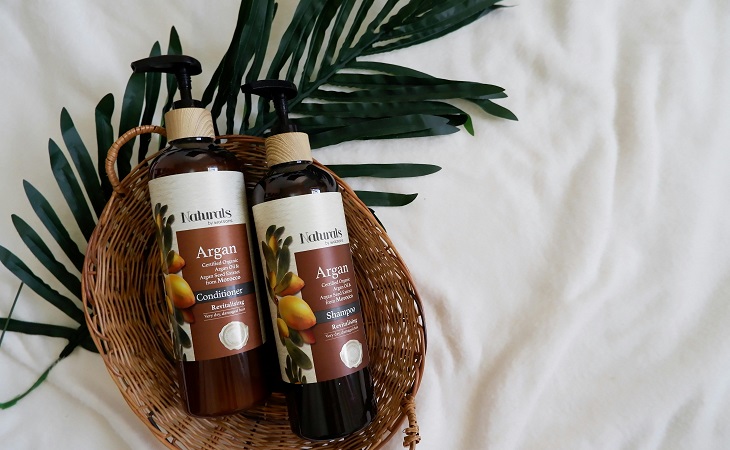
In the southwestern region of Morocco grows an extraordinary tree whose fruits contain one of the most valued natural oils in the world - argan oil. This golden oil, nicknamed "Morocco's liquid gold" and hence also "Moroccan oil," has been used for centuries by local women for skin and hair care. Over the years, it has gained international recognition and become a well-known and beloved product in the world of cosmetics and personal care. What makes argan oil so special is its unique composition: a powerful combination of Vitamin E, essential fatty acids, and potent antioxidants that work together to create a natural solution for a wide range of beauty concerns. While most commercial cosmetic products specialize in addressing a single issue, argan oil offers a comprehensive solution - from moisturizing dry skin to protecting hair from environmental damage. If you're looking for a natural, effective, and economical solution that can replace several beauty products in your cabinet, it's time to discover the 13 amazing uses of argan oil.
What is Argan Oil?
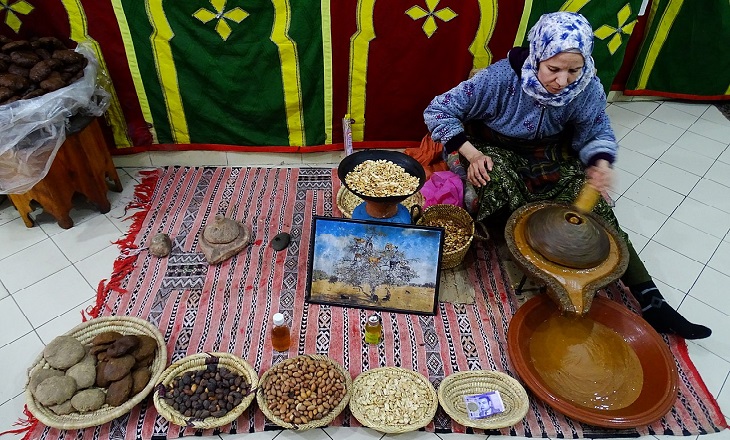
Argan oil, or Moroccan oil, is extracted from the seeds of the fruit of the argan tree (Argania spinosa), which grows primarily in southwestern Morocco, in the Tindouf region of Algeria. The traditional process of extracting the oil is done manually and includes stages of drying, cracking, and grinding the kernels. The resulting oil is golden in color with a subtle nutty aroma. The main components of argan oil are linoleic acid (about 35%) and oleic acid (about 45%), and it is also rich in Vitamin E and powerful antioxidants. This unique combination of components gives the oil its special properties and its ability to penetrate deeply into the skin and hair.
In the culinary world, argan oil is used to season salads, couscous, meat dishes, fish, and rice in Moroccan and regional cuisines. In the world of cosmetics, argan oil and products containing it provide solutions for issues such as acne, wrinkle prevention, and softening dry skin.
13 Recommended Uses for Argan Oil:
1. Moisturizing Dry Skin
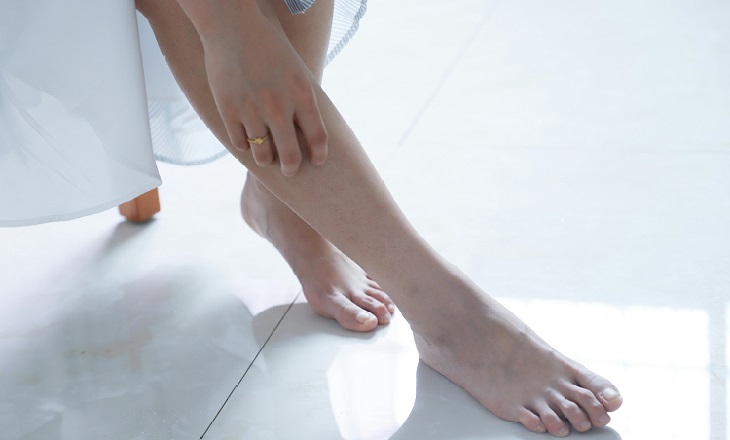
Thanks to its high content of fatty acids, argan oil is probably the most powerful natural "moisturizer." Its unique fatty acid composition allows the oil to penetrate the deeper layers of the skin and provide long-lasting hydration. For dry skin, it is recommended to apply a few drops to clean skin with gentle massaging motions. The oil absorbs easily and does not leave a greasy feeling, making it perfect for daily use.
2. Treating Eczema and Dermatitis
Due to the anti-inflammatory properties of Moroccan oil and its high Vitamin E content, argan oil can help alleviate symptoms of eczema and dermatitis (skin asthma). Applying a small amount of the oil to affected areas helps soothe the skin, reduce redness, and strengthen the skin's natural barrier. Note that in such cases, it’s important to start with a small amount and test the skin's reaction before broader use.
3. Reducing Wrinkles and Signs of Aging
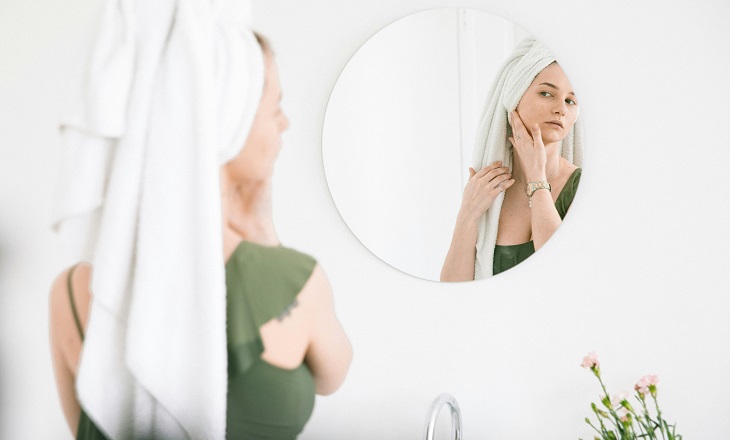
The powerful antioxidants in argan oil, particularly Vitamin E and a natural fatty substance called squalene, help protect the skin from free radical damage and promote cell regeneration. Regular use of argan oil on wrinkle-prone areas, such as around the eyes and mouth, can give the skin a younger, more elastic appearance and protect it over time. It is recommended to apply the oil with gentle tapping motions before bedtime.
4. Treating Scars and Skin Spots
Argan oil contains components that may promote tissue regeneration and can help lighten scars and skin spots. The oil improves skin texture and elasticity, contributing to the improved appearance of old scars. For effective treatment, it is recommended to apply a small amount of the oil to the affected area twice a day for several months. Patience is key - results in scar treatment with this method require time and consistency, but it is a safe and healthy substance to use.
5. Protecting Hair from Sun Radiation
Applying a small amount of argan oil or Moroccan oil to the hair creates a natural protective layer on the hair strands and helps shield them from sun damage and UV radiation. Applying a few drops to the hair ends before sun exposure can prevent dryness, fading, and damage to the hair structure. This is especially useful during an intense summer (like the one we're having), when hair is exposed to harsh radiation and conditions. It is recommended to apply the oil to dry hair before going outside.
6. Treating Dry and Damaged Hair
As a direct continuation of the previous point, argan oil is considered one of the best oils for repairing damaged hair. It provides deep hydration to hair strands, may help with dandruff, and gives hair a natural shine. For intensive treatment, it is recommended to apply the oil to wet hair, leave it on for 30 minutes, and then wash with regular shampoo. For more severe damage, the oil can be left on overnight.
7. Preventing Split Ends
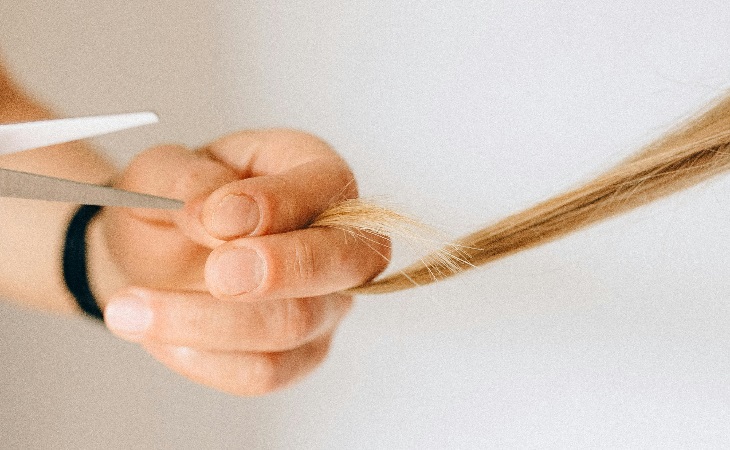
If your hair issues are limited to the ends, you'll be pleased to know that regular use of Moroccan oil on the hair ends can help prevent split ends and strengthen the hair structure. It is recommended to apply a few drops to the ends twice a week, especially after washing. The oil "seals" the ends and can prevent splitting due to friction or dryness. Note that it’s best to apply the oil to slightly damp hair, not completely dry.
8. Treating Dry Scalp and Dandruff
As mentioned earlier, argan oil can help alleviate a dry scalp and reduce dandruff formation on the head. Gently massaging the scalp with the oil once or twice a week helps nourish the scalp, improve blood circulation, and reduce dryness. It is recommended to leave the oil on the scalp for 20-30 minutes before washing, and it’s important to start with a small amount to test the scalp's reaction before full treatment.
9. Adding Natural Shine to Hair
Many people use Moroccan oil on their hair even if they don’t have issues with dandruff or split ends, as it can enrich the hair in a way that maintains its strength and gives it shine and a pleasant feel. Applying one or two drops of the oil along the length of clean, dry hair will give it a radiant and flexible appearance. Be careful not to overuse the oil to avoid a greasy or heavy look.
10. Relieving Joint and Muscle Pain
Gentle massage with argan oil may help relieve mild joint and muscle pain. The oil’s soothing properties, combined with massage movements, promote blood flow and can reduce discomfort. It is recommended to apply the oil with gentle motions to the affected area twice a day. Note that this is a complementary treatment only, and in cases of severe or persistent pain, consult a doctor.
11. Treating Minor Burns and Scratches
Due to its ability to soothe, nourish, and repair the skin, argan oil can assist in treating minor sunburns, scratches, and superficial wounds. The oil may help accelerate the natural healing process and reduce the risk of scarring, but it is not a disinfectant. It is recommended to apply a thin layer to the affected area twice a day after gentle cleaning. For severe burns, deep wounds, or infections, consult a qualified medical professional.
12. Strengthening Brittle Nails
Moroccan oil is rich in vitamins and minerals that can strengthen nails and prevent breakage. Daily application of Moroccan oil to the nails and surrounding skin can greatly help those dealing with dry skin around the nails and brittle nails. It is recommended to apply a small amount of the oil and gently massage it in every evening before bed.
13. Treating Dry and Chapped Lips
Instead of regular lip balm, you can use a drop of argan oil to care for dry or chapped lips. The oil provides deep, long-lasting hydration and helps heal small cracks in the delicate tissues protecting the lips. This is especially useful during dry seasons or in areas with dry air. It is recommended to apply a very small amount to the lips several times a day, especially before bed.
Warnings and Usage Instructions:
Argan oil and various Moroccan oil products are considered safe for most people, but those sensitive to nuts should be cautious and test a small area of skin before first use, and of course, before consuming foods containing the oil. It is important to purchase pure, high-quality argan oil from a reliable manufacturer and avoid products with additives or preservatives. Store the oil in a cool, dry place, away from direct light, and use it within two years of opening the bottle. In case of irritation, redness, or any allergic reaction, discontinue use immediately and consult a dermatologist if necessary.
Subscribe and REMOVE ALL ADS
LOVE our articles but HATE our ads? For only $3.89 per month, enjoy a seamless, ad-free experience that lets you focus on what matters most — enjoying all of our content, uninterrupted. 🔒 100% Secure Payment 📅 Cancel Anytime, No Strings Attached Unlock a cleaner, faster browsing experience today and gain the freedom to navigate without visual clutter.
Ready for a Ad-Free experience? Upgrade now for just $3.89/month!
To enable your Ad-Free Subscription, please fill the fields below
Thank you for your subscription!
Your subscription was successful, now you can enjoy an ad-free experience!! Note: To make sure you get no ads, please make sure to log in to your account. If you are logged in already, then refresh the page. The subscription can be cancelled at any time.
Subscribe
Want Some Great Tips For an Easier Life?
Get updates on new posts directly to your inbox!
Login
Login via Email
The new BabaMail app is now available at the app stores.