
We've all been there: Your favorite shirt comes out of the washer with a hole in it that wasn't there before. Or maybe your dress shrunk so much it's basically a shirt now. It's disappointing, but you can avoid making these common laundry mistakes with these expert-backed tips.
Understanding your machines and the laundry cycles they offer is important. It's also important to read the labels on your clothes to ensure you're washing and drying them correctly. You probably already knew that, but did you know that you should be buttoning your waistband buttons? Or that you could actually be using too much laundry detergent?
Here are the most common laundry mistakes and how you should be washing and drying your items instead.
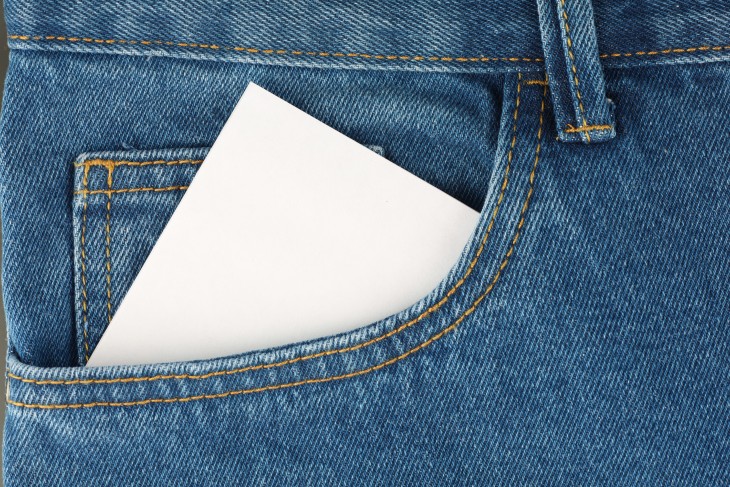
Leaving your pockets full can not only damage your clothes, but also the washing machine itself. Items like pens, tissues, makeup and coins can cause rips, tears, stains and hard-to-remove residue. The smaller items can even clog the washer's drum, hose or filter, while the larger ones will likely bang around inside the washer drum, potentially damaging the washer's interior.
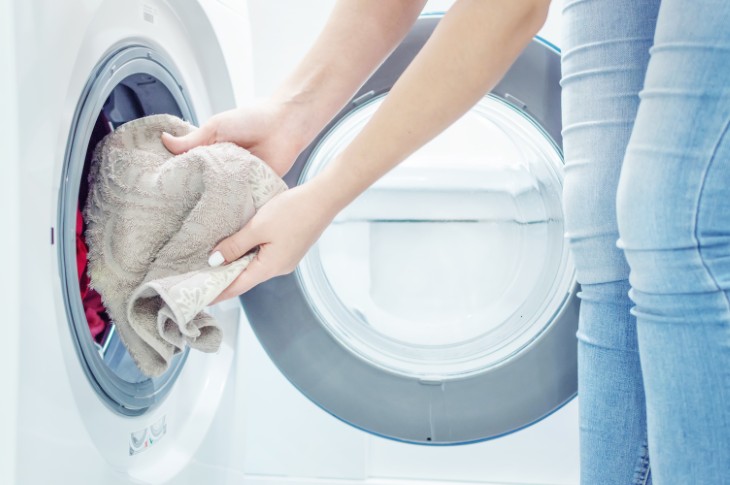
While it's always a good idea to transfer your wash to the dryer as soon as possible, there's a little more wiggle room than you might think. Generally, a few hours to overnight isn't that big of a deal. But if items sit longer than that, they may start to dry and will likely be stiff and hard instead of soft and fluffy. The whole load may even start to smell a little stale.
If you notice any of these issues, it's best to do a quick rewash in a short cycle (look for a "lightly soiled" option on your machine) with detergent.
Put delicates — both intimates and gentler fabrics — inside a mesh bag before washing to prevent damage. Fabrics like lace, silk and fine knits are prone to damage from friction, while items with long straps or strings — bras included — can tangle and stretch. A mesh bag also helps prevent snags or tears from zippers, buttons and other rough items in the wash.
Turn items prone to pilling — leggings and sweaters — or fading — denim and black tees — inside out before washing them. This protects more delicate fabrics from abrasion and snagging on hardware, plus helps preserve those dark colors. And yes, your clothes will still come out nice and clean — there's plenty of soil inside too.
Unbuttoned or unzipped hardware can lead to unnecessary wear and tear — to both your clothing and your machine. That's because it can snag on other clothes or parts of the drum, causing pilling, snags or even rips and tears.
Buttoning waistbands and zipping zippers can also help maintain the shape of your clothes and prevent unwanted wrinkling or stretching.
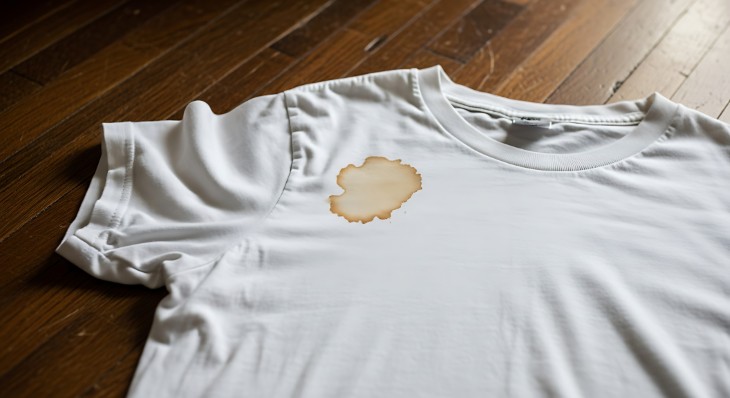
The faster you tackle stains, the better chance you have of getting them out. Use a quality stain remover formulated to tackle a wide range of stains on all kinds of fabrics. These products get to work before the wash cycle even begins.
Regularly cramming too many clothes into the washing machine can not only strain the motor and various parts of the appliance but also prevent your clothes from getting cleaned properly and even damage them over time. Clothes, water and detergent need room to move around.
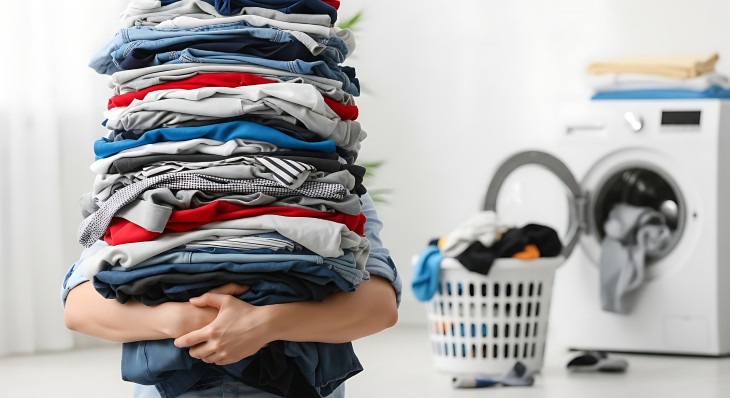
Here's a quick trick to ensure you don't tip the scales: Whether you're using a front-loader or top-loader, you should be able to fit one hand in the drum and still have a little room to move it around. This will allow you to wash a nearly full drum but still allow enough room for clothes to circulate in a pool of water and detergent that will get them as clean as possible, plus prevent damaging abrasion.
While it might seem like more detergent equals cleaner clothes, it's important to measure. Too many suds can leave residue on your clothes and even trap soil. Consider how big your load is and how dirty your clothes are, then follow the guidelines on the detergent's packaging.
You probably already know that sorting your light and dark clothes before washing can help avoid color bleeding, but you should also separate colors when drying. There can still be some loose dye that rubs off from darks onto lights as they tumble dry. Light items can also deposit lint onto dark items, making them look dingy. What's more, doubling up the loads in the dryer after washing can overload the machine, decreasing efficiency and causing unnecessary abrasion.
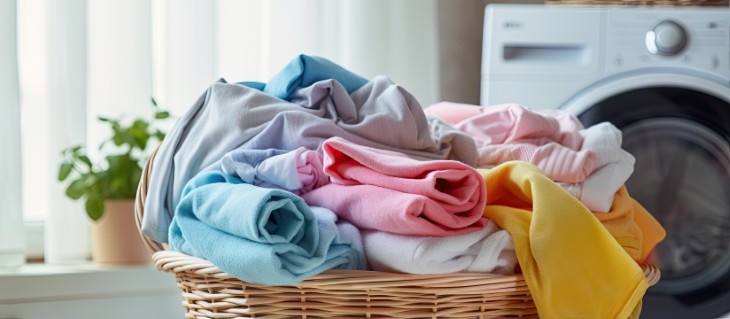
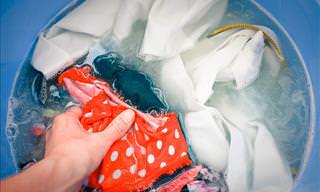
Hot water may be great for removing stains, but it can also shrink, fade or damage delicate fabrics. Generally speaking, cold wash cycles are most suitable for delicates, colored and lightly soiled clothing; warm water is best for more soiled clothing and whites; and hot water is ideal for very soiled clothing or for removing germs and allergens from items like underwear and towels.
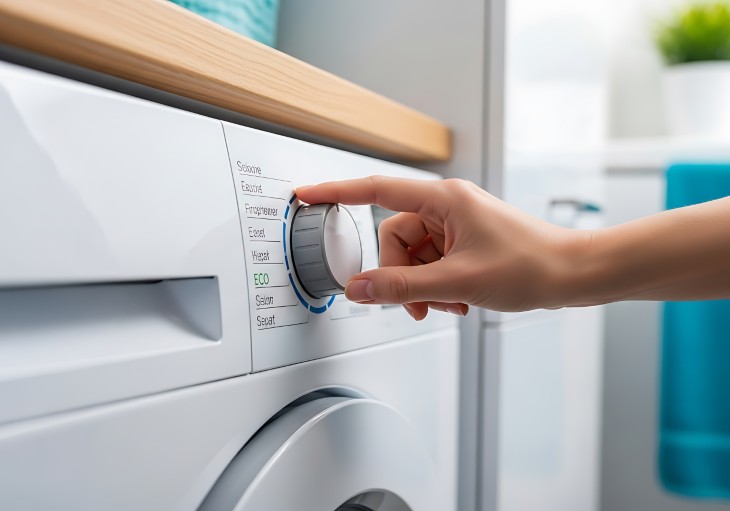
If there's any laundry rule you should commit to memory, it's this one. Every garment comes with a care label that provides instructions on how to best wash and care for it — everything from making sure you pick the right temperature and heat setting for the machine to knowing what garments should never be bleached or dry cleaned. And while they might be tricky to decode, ignoring them can lead to ruined clothes.