
Winter has a way of making everything feel heavier. The days grow shorter, the light fades earlier, and once the holiday buzz dies down, many people find themselves feeling sluggish, flat, or simply disconnected. It's a completely normal response to the season - but it doesn't have to be the whole story.
Mindfulness, the practice of anchoring yourself in the present moment, can be a powerful antidote to the winter blues. And the good news is that you don't need a meditation retreat or a major lifestyle overhaul to feel its benefits. Small, intentional habits - practiced in as little as five to ten minutes a day - can meaningfully shift your mood, strengthen your emotional resilience, and help you find genuine beauty in the quieter months.
Be Kind to Yourself First
Perhaps the most foundational winter habit is also the simplest: self-compassion. This means treating yourself with the same patience and kindness you'd offer a close friend - especially on the days when you're not at your best. Research suggests that self-compassion helps cultivate a sense of emotional safety, giving you the space to sit with difficult feelings without judgment or shame.

In practice, this might look like acknowledging that winter genuinely is harder for many people - reduced sunlight lowers both vitamin D and serotonin levels, which directly affects mood - and letting that be okay. It might mean replacing self-critical inner dialogue with something more supportive: "I'm doing the best I can" or "this is a hard season, and that's normal." Sometimes, it's as simple as wrapping yourself in a warm blanket, making a bowl of soup, and giving yourself permission to slow down.
Self-care and self-compassion work hand in hand. Lighting candles, taking a long hot bath, baking something that fills the kitchen with warmth - these aren't indulgences. They're tools for maintaining your mental and physical health through the coldest months of the year.
Embrace the Season, Don't Resist It
One of the most effective mindfulness shifts in winter is moving from resistance to acceptance - even appreciation. Instead of enduring the cold, try engaging with it deliberately. A walk on a frosty morning, with attention paid to the bare trees, winter berries, and the visible puff of your own breath in the air, can become a surprisingly grounding experience. Studies suggest that this kind of nature exposure can even boost the immune system and reduce inflammation.

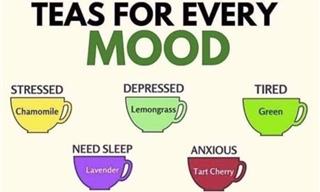
Other mindful winter activities worth exploring include yoga, journaling, reading while curled up indoors, and creative pursuits like knitting, painting, or drawing. Even the ritual of making a hot drink - really noticing the warmth of the mug in your hands, the smell, the taste - can serve as a brief but effective mindfulness practice.
Get Grounded
Grounding techniques, which involve focusing on something tangible and present, are particularly well-suited to winter. Picking up a handful of cold snow, holding a warm cup of tea, or lighting a candle with a seasonal scent like cinnamon, pine, or gingerbread - these small sensory experiences pull you out of your head and into the here and now. Research indicates that grounding practices can help the body enter a more relaxed, healing state, making them a low-effort but high-impact addition to your daily routine.

Reflect, Then Look Forward
Winter's natural stillness offers something rare: an invitation to pause. Use it. Whether through journaling, quiet conversation with someone close to you, or simply sitting with your thoughts, the end of the year is a meaningful time to look back at what you've lived through - your favorite moments, your personal growth, the lessons learned the hard way.
But reflection doesn't have to be purely backward-looking. Consider writing down not just goals for the coming year, but how you want to feel - more rested, more connected, more present. Viewing the longer, darker days not as something to push through but as a natural period of rest and recharging can fundamentally change your relationship with the season.
Winter, after all, isn't just an obstacle between autumn and spring. With a little intention, it can be a season of its own quiet richness.