
Birds are a delight in our parks and backyards, but they can also carry diseases that affect humans, pets, and livestock. While most wild birds appear healthy, their droppings and secretions can harbor harmful germs. This article explores which feral birds (especially in North America, with a couple of European examples) pose health risks, what diseases they spread, and how to protect yourself, your animals, and your property.
Pigeons: City Companions with Hidden Hazards
Feral pigeons are ubiquitous in cities and towns. Often considered mere nuisances, pigeons can pose real health risks. Their droppings provide a rich growth medium for fungi that cause diseases like histoplasmosis and cryptococcosis, and pigeons themselves can harbor bacteria like Chlamydia psittaci, which causes psittacosis. Nearly half of feral pigeons in some surveys have shown infection with C. psittaci. This infection (also called ornithosis) is transmitted when people inhale dust from dried droppings or feathers. It can lead to a serious flu-like pneumonia with high fever, chills, and cough.
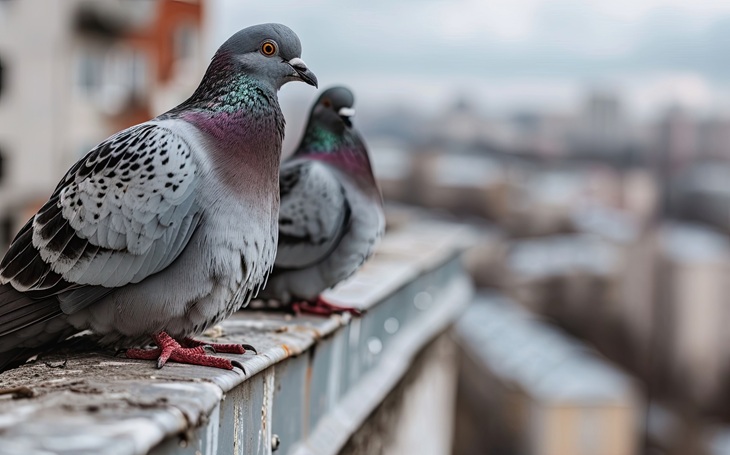
Fungal dangers are another concern. As pigeon droppings age, they dry out and release spores of Histoplasma and Cryptococcus fungi. People who disturb such debris and breathe in the dust can develop lung infections. Histoplasmosis often starts with cough, fever, or fatigue, though heavy exposure can cause severe pneumonia. Cryptococcosis can infect the lungs and even the brain, especially in individuals with weakened immune systems. While fresh pigeon droppings aren’t likely to cause problems, large, old accumulations are dangerous.
Pigeons also carry parasites. Their nests and roosts often harbor ticks and mites that may invade homes or bite pets. These pests are usually a nuisance rather than a serious threat, but they add to the reasons to discourage pigeons from nesting on your property.
Protect yourself: Wear gloves and a mask when cleaning droppings. Dampen the area before sweeping to avoid raising dust. For larger infestations, call professionals. Block off roosting spots and avoid feeding pigeons to reduce health risks.
European starlings gather in massive flocks that can darken the sky. Along with native blackbirds like grackles and red-winged blackbirds, they are notorious for spreading germs. Starlings roosting by the thousands in barns or trees deposit large amounts of droppings, which have been linked to histoplasmosis outbreaks. Disturbing old starling roosts has caused epidemics in the past when spores became airborne.

Starlings also trouble farmers. They invade feedlots and dairy barns, eating livestock feed and contaminating what’s left. Studies show they can carry Salmonella, toxic strains of E. coli, Campylobacter, avian influenza viruses, and parasites. They often pick up bacteria at one site and deposit them miles away. For example, starlings in cattle feed yards can spread E. coli O157:H7, a dangerous strain that can cause severe food poisoning in people.
Livestock and poultry are also at risk. Starlings and sparrows can carry Newcastle disease virus, which threatens chickens, and can introduce it to farms. They may also host West Nile virus, which mosquitoes can then transmit to humans and horses.
Protect yourself and animals: Farmers should secure feed and water to reduce wild bird contact. For personal health, treat large roosts with caution. Wear a mask when cleaning barns or areas under starling roosts. While most people won’t get sick from casual exposure, precautions are wise.
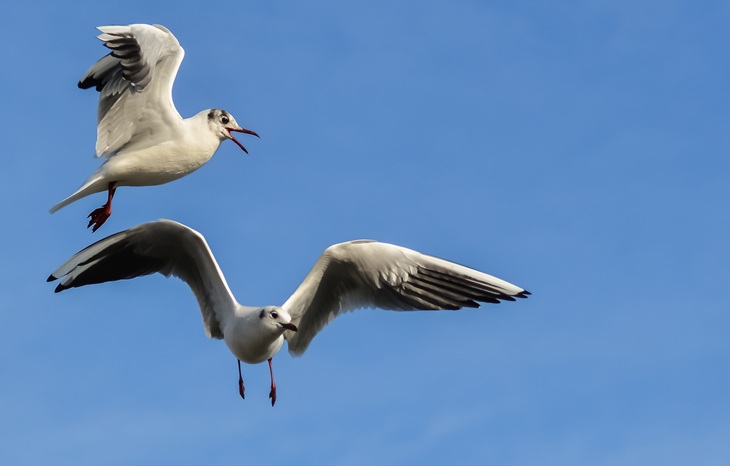
Seagulls are scavengers that feed at landfills and sewage sites, carrying intestinal bacteria. Surveys in Europe found that gulls often harbor Campylobacter and Salmonella, leading causes of food poisoning. Many of these bacteria are antibiotic-resistant, raising concerns about “superbug” spread. Gulls can deposit these bacteria in parks, rooftops, or water sources.
Canada geese and ducks can also carry Salmonella, E. coli, Campylobacter, and parasites like Giardia. Their droppings, common in parks and ponds, can contaminate water and soil. On farms, waterfowl can transmit diseases to domestic poultry.
Avian influenza is another concern. Wild ducks and geese are natural carriers of flu viruses. Since 2022, highly pathogenic avian influenza has caused massive die-offs across North America and Europe. While human cases are extremely rare and mostly tied to poultry, pets and wild mammals have occasionally been infected after eating sick birds.
Protect yourself: Don’t touch droppings at beaches or parks. Wash hands before eating outdoors. Keep pets away from goose feces. Farmers should separate wild waterfowl from domestic flocks. Good fencing and enclosed runs help prevent disease spread.
Even small birds can spread disease. In 2020–21, a Salmonella outbreak in the U.S. Pacific Northwest was linked to Pine Siskin finches at bird feeders. At least 30 people became ill, and some pets were also affected. Birds spread Salmonella to each other at crowded feeders, and humans caught it by handling contaminated feeders without proper hygiene.
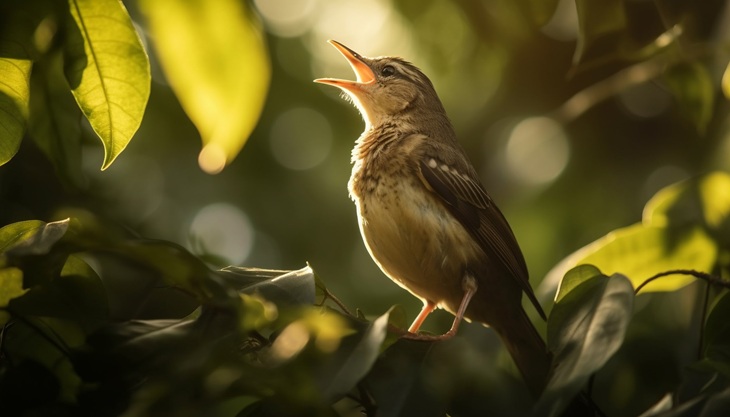
In Europe, a spike in psittacosis cases in 2023 was tied in part to wild birds at feeders. People likely inhaled airborne dust from dried droppings around feeders. Though rare, these infections can be severe.
Protect yourself: Clean feeders and bird baths regularly with soapy water and dilute bleach. Do not clean them in your kitchen sink. Wear gloves and wash hands after handling feeders. Avoid direct contact with wild birds. Dispose of dead birds safely, using gloves or a bag.
Keep it clean: Clean feeders and bird baths regularly.
Practice good hygiene: Wash hands after any contact with bird-related surfaces.
Avoid direct contact: Don’t hand-feed pigeons or gulls, and don’t touch dead birds bare-handed.
Protect pets: Keep their food indoors and prevent them from eating droppings or dead birds.
Manage attractants: Secure garbage, clean outdoor food sources, and use humane deterrents.
Use protective gear: For large cleanups, wear gloves, masks, and eye protection.
Feral birds are part of our ecosystem. They do carry diseases, but the risk to most individuals is low. With simple measures – cleaning, wearing protection, and practicing hygiene – you can safely enjoy bird-watching and feeding. Awareness and a little caution ensure that you, your pets, and your livestock stay healthy while living alongside these feathered neighbors.