
The most treasured parts of old cookbooks aren't always the recipes themselves - they're the handwritten notes in the margins, the newspaper clippings tucked between pages, and the smudged recipe cards that have clearly weathered decades of use.
There's something profoundly heartwarming about discovering how women once shared their knowledge and solved everyday kitchen problems with simple, clever ideas. This collection captures that wisdom, drawn from vintage cookbooks, homemaker columns, and reader-submitted tips spanning the 1930s through the 1960s.
Many of these notes were written by women eager to help others by sharing what worked in their own kitchens. Some tips are practical, others surprising, but all stem from real-life experience. From reviving wilted celery to stretching peanut butter with orange juice, the cleverness here knows no bounds.
Some ideas may surprise you, while others will feel familiar - like something your grandmother used to do. Either way, these cookbook notes deserve your attention, and you just might discover a new favorite kitchen trick among them.
Don't dismiss old tips as outdated - many still solve modern problems beautifully. Whether you're reducing waste, saving time, or simply trying to make dinner run smoother, simple solutions like these never go out of style.
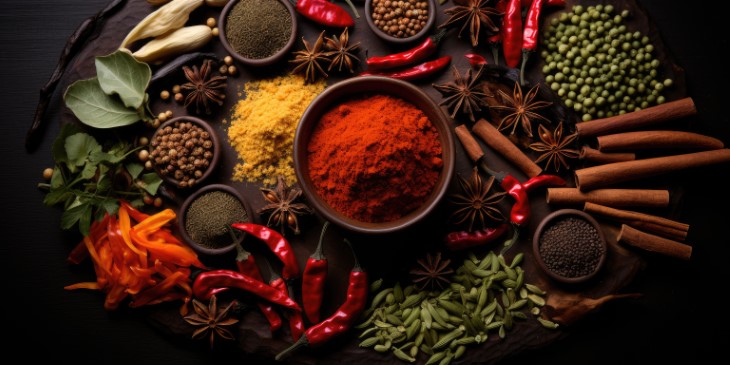
Revive Old Spices: Heat older spices in a dry frying pan (no oil or other ingredients) to bring out their flavor. Gentle toasting can restore potency and make them more fragrant in cooking, especially when they've lost their punch.
Onion Storage: Use the root half of the onion last - it lasts longer when stored. The root end contains the base that keeps it intact and slows spoilage. You can even plant green onion roots to grow your own.
Salt for Frying: Sprinkle a little salt in the frying pan to keep fat or lard from splattering.
Hot Pepper Relief: When hot peppers burn your hands, wash them in diluted bleach to stop the burn. However, use caution due to potential skin irritation. Safer alternatives include soaking hands in dairy products like milk or yogurt, using vegetable oil, or washing with dish soap.
Measuring Shortening: To avoid waste when measuring shortening, use the liquid-level method. If you need 1/2 cup shortening, fill a measuring cup to the 1/2 mark with water. Drop in shortening and push it under water until the liquid reaches the 1-cup mark. Drain off the liquid. This trick makes accurate measurement easy without wasting any or dirtying multiple tools.
Butter Cooking Temperature: When frying with butter, avoid high heat since butter has a low smoking point. Butter contains milk solids that burn quickly at high temperatures. Lower heat prevents bitter, burnt flavor while maintaining creamy richness. Clarified butter is another option.
Meat Tenderizing: Use hot tea instead of water when cooking roasts or stewing meat to add flavor and tenderize. Tea - especially black tea - contains natural tannins that act as tenderizers, breaking down tough meat fibers while infusing subtle, earthy flavor.
Boiling Meat: Plunge meats for boiling and roasting into cold water first to harden the film on the outside, encasing and retaining juices. Add no salt until meat is nearly done, as it releases juices if added too soon.
Pasta Boil-Over Prevention: Add a tablespoon of cooking oil or lard to the water when cooking spaghetti or macaroni. Fat breaks the surface tension, preventing foam from building up and spilling over while keeping pasta from sticking together.
Lump-Free Gravy: Make gravy thickening and sauces smooth by using a small jar with a tight lid. Put the mixture of milk or water and flour into the jar and shake well until all lumps disappear. Shaking vigorously breaks up lumps far more effectively than stirring, ensuring silky, lump-free results.
Milk Boiling: Rinse the pan in hot water before boiling milk to prevent sticking. A pre-rinse leaves a thin layer of water on the surface, creating a barrier that prevents milk proteins from sticking and scorching.
Pancake Perfection: Rub the griddle with a small bag of salt to make pancakes without smoke or odor. This also prevents cakes from sticking and works equally well on waffle irons.
Olive Oil Soak: Spark up the flavor of ripe olives by soaking them overnight in olive oil with a very small clove of garlic added.
Toasted Coconut: If shredded coconut gets dry, toast it for extra deliciousness. Sprinkle on a baking sheet and heat in a moderate oven, shaking occasionally to brown evenly. Toasting revives dried-out coconut, giving it sweet, nutty crunch while extending shelf life.
Potato Water Gravy: Use potato water when making gravies to greatly improve flavor. Potato water is starchy, which helps thicken gravies naturally while adding subtle, earthy richness.
Spice Infusion: Make spicing of fruits, pickles, and relishes easier by putting spices in a tea ball. It can be removed from hot syrup at any time without trouble, keeping whole spices contained while giving you control over flavor strength.
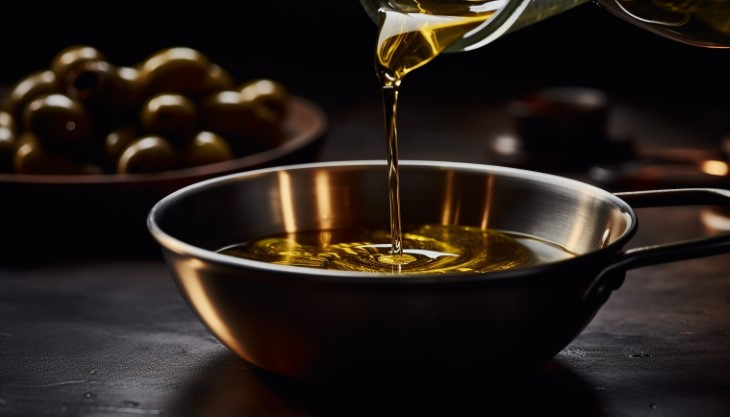
Reusing Cooking Fats: Strain fats after each use to use them over and over. Fry slices of potato in fat to remove odors from fish, onion, or other highly flavored foods. Straining removes food particles that cause rancidity, while potato slices act as natural odor absorbers.
Clarifying Drippings: Grease drippings can be clarified for further use by straining to remove large particles, then cutting up a potato and frying it in the grease. All small particles will cling to the potato. The starch in potatoes attracts and binds with impurities, leaving behind cleaner, reusable grease.
Fat Removal from Soup: Remove fat from hot soup by straining broth through a cloth wrung from cold water. All fat will remain in the cloth except just enough to enrich soup. Fat solidifies quickly on cold surfaces, naturally skimming off excess grease while leaving behind enough for flavor.
Double Boiler Safety: Place a jar lid on the bottom of the double boiler. It will rattle when the liquid gets too low.

Iced Tea Efficiency: Iced tea requires only half as much sugar if sweetened when hot rather than cold. Sugar dissolves more efficiently in hot liquid. After tea is strained and ready to serve, freeze a portion and add these tea cubes to glasses for cooling instead of plain ice - this prevents dilution.
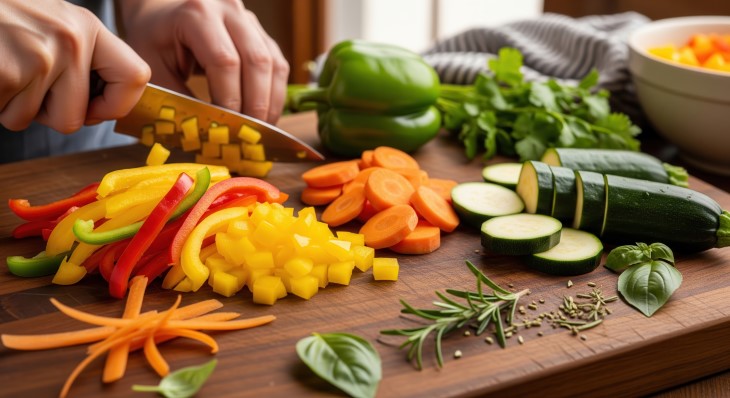
Crisp Celery Revival: When celery loses its crispness, place it in a pan of cold water. Slice a raw potato and put it in the pan. Let stand for a few hours. Remove the celery and you'll find it has regained its original crispness.
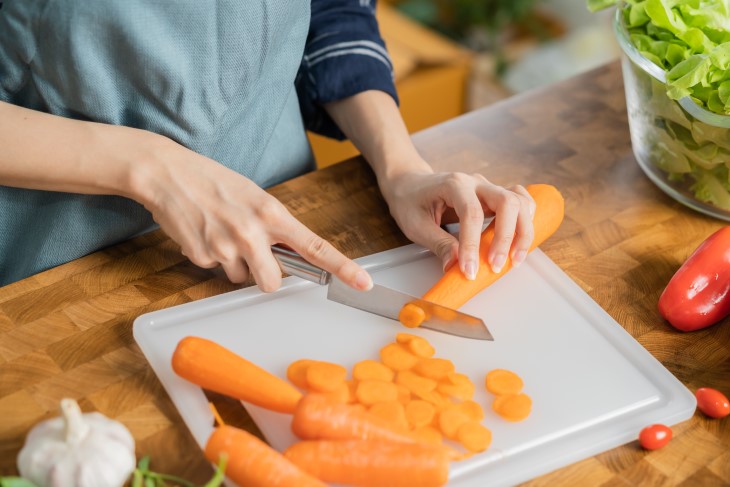
Carrot Peeling: Drop carrots for salads or cooking in boiling water for two or three minutes first. The skins will then come off easily - a quick blanch softens the skin just enough to make peeling effortless.
Cabbage Odor Control: Avoid cabbage odor by dropping two uncracked English walnuts into the kettle while cooking. Walnuts are thought to absorb sulfur compounds that cause strong cabbage smell. Alternatively, cook cabbage in an open kettle for 8 minutes - this helps volatile sulfur compounds escape with steam, preventing bitterness and enhancing natural sweetness.
White Cauliflower: Cauliflower will remain white and give off no odor while cooking in half milk and half water. Use the liquid afterward for soup or cream sauce. Milk neutralizes sulfur compounds while maintaining bright white color.
Salt Remedy: Eliminate salty tastes in gravies and soups by dropping a piece of raw potato into the liquid for a few minutes before removing from heat. Raw potatoes absorb some excess salt, mellowing out over-seasoned dishes.
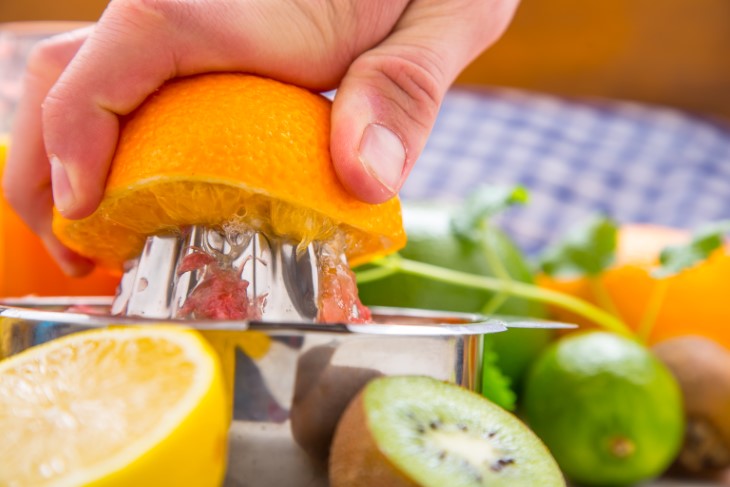
Easy Citrus Peeling: Grapefruit or oranges can be peeled easily if permitted to stand in boiling water for ten minutes.
Banana Color Preservation: Bananas for salads will keep their natural color if sprinkled with powdered sugar or lemon juice. Both slow the oxidation process that causes browning.
Peach Protection: Peaches will not discolor if immersed in a solution of half milk and half water after peeling.
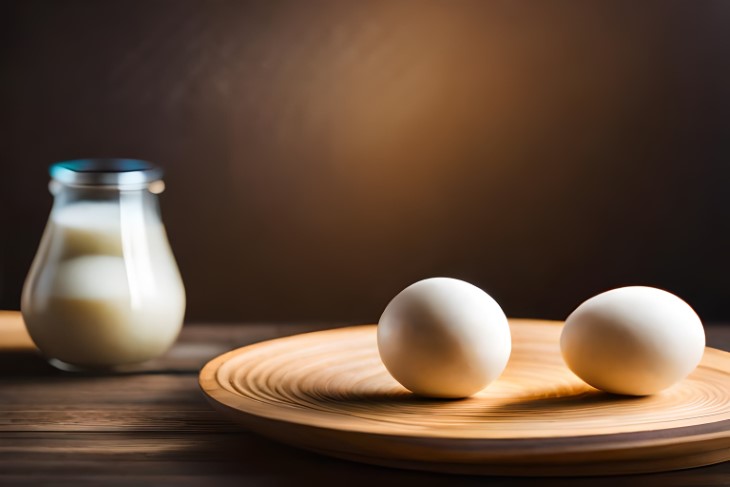
Egg Freshness Test: When in doubt about an egg, add 2 teaspoons salt to a cup of water and put the egg in it. A fresh egg will sink; a doubtful egg will float. Also, smooth shiny eggshells indicate old age, while fresh eggs have chalky rough shells.
Scrambled Egg Stretcher: Add a tablespoon of cream for each egg when scrambling. It makes them light and they'll go farther. Cream adds richness and airiness, giving eggs fluffier texture while stretching volume.
Easy Hard-Boiled Egg Peeling: Butter your thumbs to make peeling hard-cooked eggs easier.
Egg Organization: Mark eggs to use up first with a pencil before filling the tray with fresh eggs.
Egg Slicing Hack: Use an egg slicer to slice butter into individual pats for uniform, tidy slices.
Salad Dressing: Boiled salad dressing will not curdle if beaten eggs are stirred into cold vinegar before boiling.
Cream Pitcher Drip Prevention: Put a bit of butter, margarine, or unflavored fat on the tip of the spout to prevent dripping on the clean tablecloth.
Cheese Storage: Keep cheese from getting hard by cutting off enough for immediate use and spreading the remaining portion with a thin film of butter or margarine. This forms a protective barrier against air, locking in moisture and preventing drying.
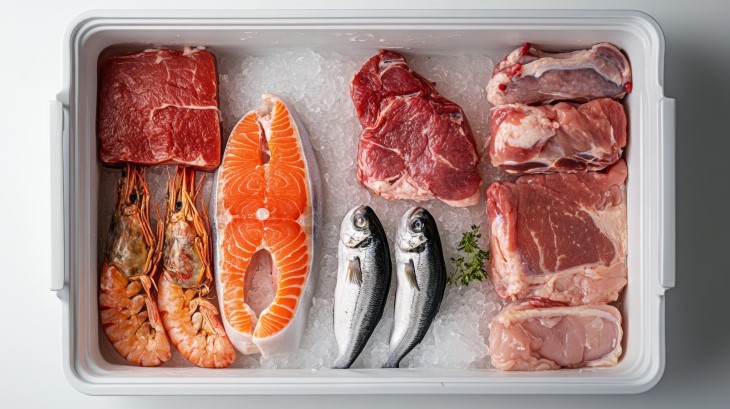
Better Bacon: Soak bacon in cold water for three or four minutes before frying. This prevents grease from running and gives bacon much finer flavor. A quick soak reduces surface salt and helps bacon cook more evenly.
Easy Fish Scaling: Remove fish scales quickly and easily by first dipping the fish in boiling water.
Ham Rind Removal: Slit the rind lengthwise on the underside before placing ham in the roasting pan. As it bakes, the rind will pull away and can be removed easily without lifting the ham.
Gelatin Handling: Gelatin in individual form is easier handled if a muffin pan is used instead of small molds. The pan can be placed in a refrigerator without danger of overturning, saving much time.
Economical Gelatin: Make economical gelatin dessert at a fraction of the cost by combining canned fruit syrup, unflavored gelatin powder, and a little coloring.
Quick Dessert: For refreshing dessert, stir 1 cup dairy sour cream into a pound of seedless green grapes and sprinkle with brown sugar.
Lemon Freshness: Lemons will stay fresh longer if stored in a bowl of cold water in the fridge - they'll keep up to 3 months this way.
Cereal Storage: As you use from a breakfast food box, cut the sides down and fold over to fit contents, putting a rubber band around the top. This keeps remaining cereal fresher while conserving cupboard space.
Poultry Stuffing: Put dressing into a well-greased cheesecloth bag before packing it into the cavity - you'll get every smidge out when serving.
Freezer Hamburger Patties: Separate hamburger patties bound for the freezer with wax paper liners from old cereal boxes, cut to size. Nice and thick, they peel off frozen patties without ripping.
Peanut Butter Spreading: Thin a small portion of peanut butter with orange juice to make it spread easier and add taste appeal. The natural acidity and sweetness creates a surprisingly tasty combination.
Ketchup Flow: Insert a drinking straw, push it to the bottom of the bottle, then remove. Enough air will be admitted to start an even flow, breaking the vacuum seal.
Brazil Nut Cracking: Warm Brazil nuts in the oven before cracking them. Heat softens the shell slightly, making nuts easier to crack without smashing the kernel.
Mixing Bowl Stability: Place a damp cloth under any bowl or dish while stirring or beating to keep it from sliding around.
Kitchen Gadget Maintenance: Oil can openers and other kitchen gadgets with olive or cooking oil. Glycerin works too.
Odor Neutralization: Neutralize strong cooking odors by boiling three teaspoons of ground clove in two cups water for 15 minutes. You can also heat vinegar on the stovetop to clear smells.
Funnel Substitute: A corner cut from an envelope and pierced at the point makes a good funnel for filling salt and pepper shakers - classic Depression-era ingenuity.
Thick Sauce Helper: Use a plastic knitting needle as a plunger in a narrow funnel opening that thick sauces won't go through easily.
Burn Relief: Use vanilla extract to soothe kitchen burns and keep them from blistering. Cider vinegar also helps - just dab on the burn and reapply if necessary.

Sandwich Spread: For a novel sandwich spread, mix caraway seed or celery seed in cottage cheese. Add salt and enough cream to make the mixture spread easily.
Canning Juice Use: If there's too much canning juice to serve with food, pour it into a separate pan and cook it down. Then heat the canned food briefly in this liquid and season to taste. Boiling juice down enriches flavor and preserves nutrients.
Popcorn Ball Surprise: Give children a surprise by taking a lollipop and shaping popcorn around the top. This creates a built-in handle, cutting down on sticky hands.
Leftover Transformation: Leftover beef stew can be blenderized to a puree and used as a base for Scotch broth and other soups, reducing waste while creating rich, flavorful bases.
These timeless tips prove that grandmother's wisdom never goes out of style. Simple, practical, and rooted in real kitchen experience, they offer solutions that work just as well today as they did decades ago.