
Feeling Exhausted All the Time? You Might Need Better Boundaries
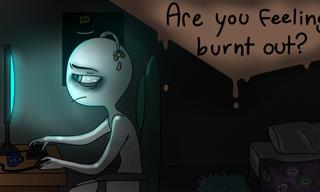
Everyone feels tired sometimes. But if you've been waking up worn out, dreading the day before it starts, and feeling like no amount of rest actually helps — that's not ordinary tiredness. That may be burnout. And according to mental health experts, one of the most effective ways to prevent it isn't a vacation or a spa day. It's learning to set better boundaries.
Burnout is a state of deep physical, mental, and emotional exhaustion caused by prolonged stress and an ongoing neglect of your own wellbeing. The American Psychiatric Association describes it as a loss of "sense of self and agency" — that creeping feeling that life is happening to you rather than being guided by you. And while many people associate it with demanding careers, burnout doesn't require a high-pressure job. It can come just as easily from caregiving, parenting, managing a chronic illness, or simply the relentless pace of modern daily life.

The word "no" is more powerful than you think
At the heart of boundary-setting is one small, hard word: no. For many people — especially those who pride themselves on being reliable, helpful, or "low-maintenance" — saying no feels selfish or even rude. But experts say that selectively saying no to lower-priority demands is what makes it possible to say yes to what truly matters.
You don't need to be harsh about it. Being direct and calm works just fine. Try using "I" statements: "I'm not able to take that on right now" or "I need to protect my time this week." The goal isn't to push people away — it's to stay in the driver's seat of your own life.
Draw a line between work and the rest of your life
One of the most common boundary violations people allow is the slow creep of work into personal time. Checking emails after dinner. Taking calls on weekends. Answering "just one more thing" before bed. Each of these feels harmless in isolation, but together they erode the mental separation between working and resting — and without that separation, your brain never fully recovers.

Set clear work hours and stick to them. If you work from home, try creating a physical ritual that signals the end of the workday — closing your laptop, changing clothes, or taking a short walk. These small transitions tell your nervous system that it's time to shift gears.
Rest isn't a reward — it's a requirement
A common myth about productivity is that hobbies, vacations, and downtime are things you earn after you've finished everything else. The trouble is, there's always something else. If rest keeps getting postponed, burnout is almost inevitable.

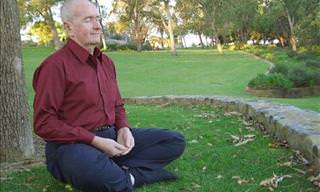
Schedule time for the activities that genuinely recharge you — whether that's gardening, cooking, reading, or simply sitting quietly with a cup of tea — and treat those appointments with the same respect you'd give any other commitment. Research consistently shows that people who protect time for enjoyable activities are more productive and emotionally resilient, not less.
Planning something to look forward to — even something modest, like a day trip or a lunch with an old friend — also matters more than it might seem. Anticipation itself is restorative.
Watch for the warning signs
Burnout doesn't arrive all at once. It builds slowly, which is exactly what makes it so easy to miss until it's become serious. Some early signs include persistent fatigue that sleep doesn't fix, growing cynicism or irritability, difficulty concentrating, a sense of detachment from people or activities you used to enjoy, and a creeping feeling that nothing you do is ever quite enough.
If any of that sounds familiar, it's worth pausing and asking yourself honestly: where are my boundaries wearing thin?

You don't have to carry it alone
Perhaps the most important boundary of all is the one between what you can manage on your own and what you need help with. Asking for support — from family, friends, or a professional therapist — isn't a sign of weakness. It's one of the wisest things a person can do.
Burnout doesn't fix itself, and pushing through it rarely works. But with the right