
Is Your Body Sending You These Warning Signs? What Diabetic Patients Must Know About Kidney Damage
For millions of people living with diabetes, the kidneys are quietly working overtime — and often, by the time something feels wrong, significant damage has already been done. Diabetic nephropathy, or kidney disease caused by diabetes, is one of the most serious complications of the condition. The tricky part? It can creep up on you almost silently.
Here's what you need to know — and what your body might be trying to tell you.
What Exactly Is Diabetic Nephropathy?
When blood sugar levels stay high over time, they can gradually damage the tiny blood vessels inside your kidneys — the ones responsible for filtering waste from your blood. The result is diabetic nephropathy: a progressive form of kidney disease that affects a significant portion of people with both type 1 and type 2 diabetes.
The condition is more common than many people realize. Roughly 1 in 3 adults with diabetes will develop some degree of kidney disease over the course of their lifetime. It's also one of the leading causes of kidney failure worldwide, making early awareness genuinely life-saving.
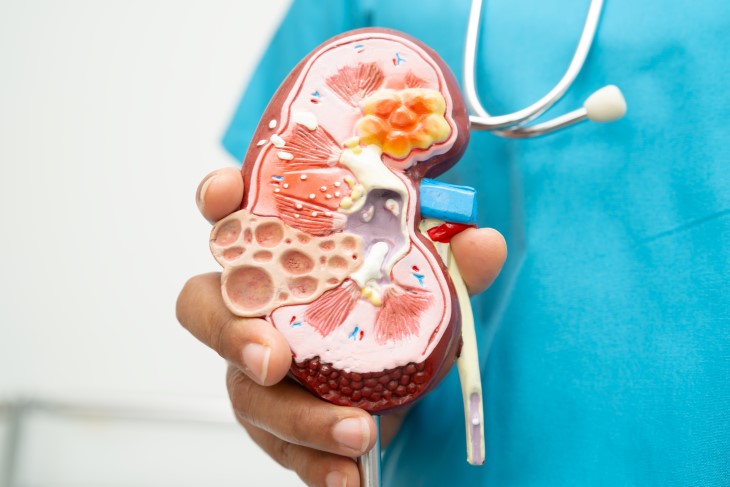
The condition unfolds in five stages, each measured by something called the Glomerular Filtration Rate (GFR) — essentially a score for how well your kidneys are doing their job. In stage 1, the kidneys are damaged but still functioning well. By stage 5, the kidneys have failed entirely and dialysis or a transplant becomes necessary.
What makes this progression so dangerous is that the kidneys are remarkably resilient organs — they can continue working even when significantly damaged, masking the problem until it becomes serious. This is why diabetic nephropathy is sometimes called a "silent disease."
The Earliest Warning Signs
Most people feel nothing in stage 1. It's only around stage 2 — when the GFR drops below 89 — that the first, often subtle, symptoms begin to surface. And subtle they are. Easy to dismiss. Easy to chalk up to a bad week or a busy lifestyle.
Watch out for:

If any of these sound familiar — especially if you have diabetes — don't brush them off.
One particularly telling symptom worth mentioning is foamy or bubbly urine. This occurs when the kidneys begin leaking protein — something healthy kidneys are designed to retain. While it can be easy to overlook, it's one of the more distinctive early signals that something may be wrong.
What a Doctor Looks For
Here's the encouraging part: a doctor can detect diabetic nephropathy even before you feel a thing. Routine blood and urine tests can reveal early red flags, including:
In some cases, a doctor may also order a renal biopsy — a minor procedure where a tiny sample of kidney tissue is examined under a microscope to assess the extent of damage. This is typically reserved for more complex or uncertain cases.
This is exactly why regular check-ups are so important for anyone living with diabetes. Current medical guidelines recommend that people with type 2 diabetes get screened for kidney disease annually from the time of diagnosis, and those with type 1 diabetes from around five years after diagnosis.
As the Condition Progresses
If diabetic nephropathy is left undetected or untreated, the symptoms become harder to ignore. These include constant fatigue, a persistent sense of feeling unwell, shortness of breath, difficulty concentrating, foamy urine, and worsening swelling in the hands, feet, and around the eyes. Blood pressure tends to climb as well, which only accelerates the damage.
In later stages, the kidneys struggle to regulate important minerals like potassium and phosphorus. This can lead to muscle cramps, bone weakening, and dangerous changes in heart rhythm. Anemia — a shortage of red blood cells — is also common, as the kidneys produce a hormone called erythropoietin that signals the body to make red blood cells. When kidney function declines, so does this signal, leaving many patients feeling persistently exhausted regardless of how much they rest.
Who is Most at Risk?
Beyond having diabetes itself, certain factors raise the odds of developing diabetic nephropathy:
It's worth noting that high blood pressure and diabetic nephropathy form a particularly vicious cycle — kidney damage raises blood pressure, and high blood pressure in turn accelerates kidney damage. Breaking that cycle early, often with medication, is one of the most important steps in managing the condition.
What You Can Do to Protect Your Kidneys

While you can't undo damage that's already been done, there's a great deal you can do to slow it down — or prevent it from starting in the first place.
Keep blood sugar in check. This is the single most important thing a diabetic patient can do for their kidneys. Consistently high glucose levels are the root cause of the damage, and studies show that tight blood sugar control can significantly reduce the risk of developing nephropathy.
Manage your blood pressure. Target blood pressure for people with diabetes and kidney disease is generally below 130/80 mmHg. Medications called ACE inhibitors or ARBs are often prescribed specifically because they protect the kidneys beyond their blood pressure-lowering effects.
Watch what you eat. A kidney-friendly diet typically means reducing sodium, limiting protein intake (which reduces the workload on the kidneys), and cutting back on potassium and phosphorus in later stages. Working with a registered dietitian can make this much more manageable.
Quit smoking. Smoking narrows blood vessels and reduces blood flow to the kidneys, directly worsening their function. It also raises blood pressure and interferes with diabetes medications.
Stay active. Regular moderate exercise helps control blood sugar, lower blood pressure, and maintain a healthy weight — all of which take pressure off the kidneys.
Avoid NSAIDs. Common over-the-counter pain relievers like ibuprofen and naproxen can be hard on the kidneys. People with diabetic nephropathy are generally advised to use alternatives under medical guidance.
The Bottom Line
Kidney damage from diabetes cannot be reversed — but it absolutely can be slowed down, especially when caught early. Treatment options range from diabetes medications and dietary changes to dialysis and kidney transplants in advanced cases. Newer classes of diabetes medications, including SGLT2 inhibitors, have also shown promising results in protecting kidney function and are increasingly being prescribed for this purpose specifically.
The most powerful thing you can do? Don't wait for symptoms. If you have diabetes, make kidney health part of your regular medical conversations. A simple blood or urine test could make all the difference — and in this case, catching something early isn't just good news, it's a genuine lifeline.