
Losing fat without losing muscle - that's the goal of almost everyone in a cutting or weight loss process. But how much protein do you really need to eat to preserve muscle mass? And why is protein considered such a crucial nutrient in this process?
Dr. Lena Rebecca Larsen, a clinical nutrition expert from More Nutrition, explains that protein does much more than just build muscle: "It regulates hormones related to hunger, aids in satiety, and boosts metabolic rate. Therefore, people who consume enough protein tend to eat fewer calories without feeling deprived or fatigued."
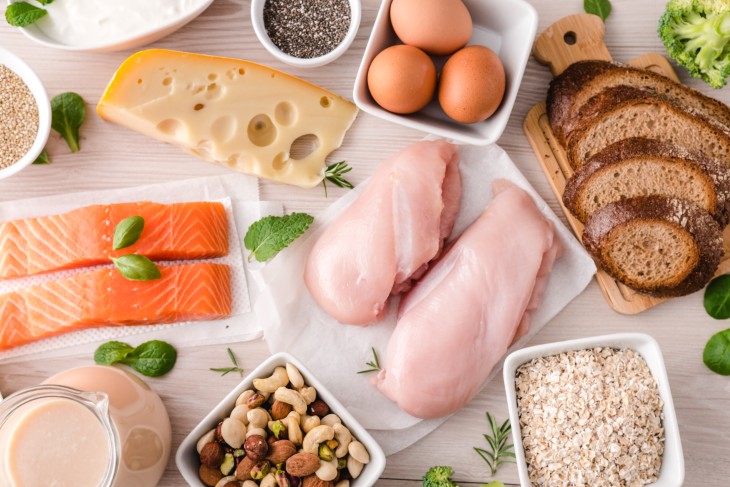
According to Dr. Larsen, research has shown that when protein intake is insufficient, up to 25% of the weight we lose consists of muscle mass, not just fat. The implications: less strength, slower metabolism, and risk of weight regain.
"When we're in a caloric deficit," she explains, "the body may break down muscle tissue to produce energy. Protein protects muscle and encourages the body to use fat as fuel instead."
Protein also causes prolonged satiety thanks to its effect on hormones like ghrelin (the hunger hormone) and GLP-1 and CCK (hormones that promote feelings of fullness). Additionally, the digestion process of protein requires more energy from the body - which increases the thermic effect of food and helps burn calories even at rest.
The recommended amount of protein depends on age, weight, activity level, and goals. Dr. Larsen presents a simple formula:
"1.6 to 2 grams of protein per kilogram of body weight is an excellent range for active people who want to maintain muscle mass while losing fat," she says.
For those training at high intensity, engaging in competitive sports, or in a significant caloric deficit, she recommends 2.2 to 2.4 grams per kilogram.
In strength sports and bodybuilding, you can even reach 2.5-3 grams of protein per kilogram of body weight, especially during cutting periods.
A person weighing 70 kg (154 lbs) who trains three times a week needs to consume an average of 110-140 grams of protein per day, distributed evenly among meals.
"It's important to spread protein intake throughout the day and eat protein at every meal - this way absorption is better and the body remains in a sustained anabolic state," emphasizes Dr. Larsen.

According to Larsen, the relative requirement is similar, but women have hormonal changes that affect protein metabolism.
"During menstruation, and especially during menopause, it's recommended to slightly increase protein intake, since the drop in estrogen levels increases the rate of muscle breakdown (sarcopenia)."
Active women need an average of 1.6-2.2 grams per kg, depending on training intensity.
The simplest indicator, according to Dr. Larsen, is energy levels and satiety. "If you feel tired, weak, or notice a decline in workout performance - you may not be consuming enough protein," she says.
Additionally, protein contributes to hair, skin, and the immune system, so if there's deterioration in these areas - the body may be signaling a deficiency.
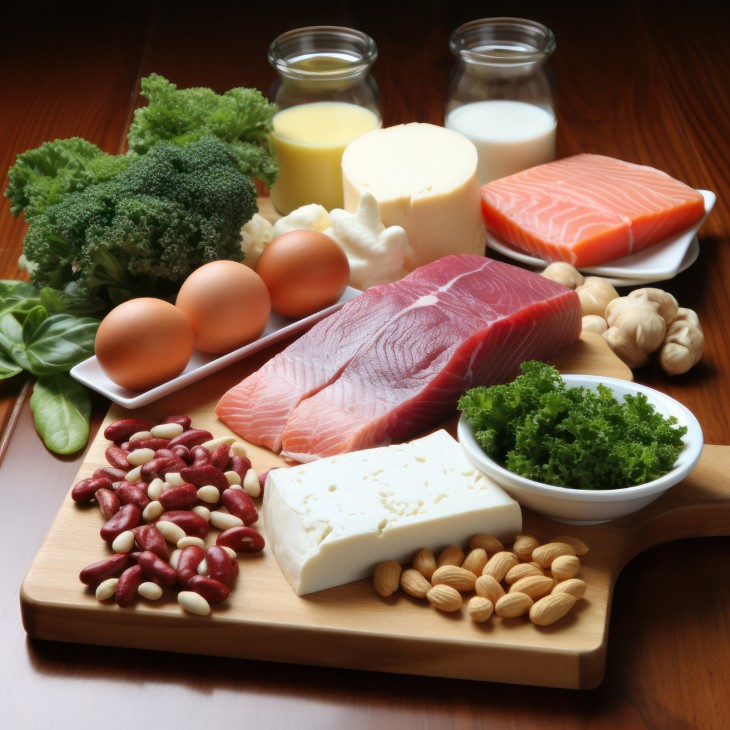
The best sources include chicken, turkey, fish, eggs, Greek yogurt, and cottage cheese. For vegetarians and vegans, it's recommended to combine legumes, lentils, tofu, green lentils, chickpeas, and peas - and ensure variety that provides all essential amino acids.
"Combining legumes with whole grains, like rice and lentils or chickpeas and whole wheat pita, improves the biological value of the protein," adds Larsen.
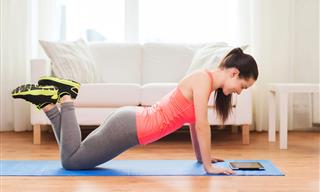
"Don't rely on diet alone," says Dr. Larsen. "Resistance training - whether with weights, resistance bands, or bodyweight - is essential for preserving muscle mass during a diet. Muscle is a 'living' tissue that burns calories even at rest, so it's worth cultivating it."
Maintaining muscle mass during weight loss isn't a matter of luck - it's a matter of planning. Adhering to adequate protein intake, good sleep, sufficient hydration, and regular training create optimal conditions for healthy, long-term weight loss.
Dr. Larsen's message is clear and direct: "Fat loss doesn't have to come at the expense of muscle. With enough protein, your body can look more toned, strong, and healthy - not just lighter."