
The truth behind one of the biggest diet trends of the decade.
Gluten-free products are everywhere. Supermarket shelves are stacked with gluten-free breads, pastas, cookies, and snacks. Restaurants proudly advertise gluten-free menus. And if you listen to enough wellness influencers, you might start to believe that giving up gluten is the key to better health, more energy, and a flatter stomach.

For people with celiac disease or a genuine gluten sensitivity, avoiding gluten isn't a lifestyle choice - it's a medical necessity. But what about the rest of us? Is there any real benefit to going gluten-free if your body handles gluten just fine? The answer, according to the latest research, might surprise you.
What Is Gluten, Exactly?
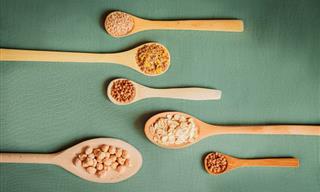
Before we dive in, let's clear up what gluten actually is. Gluten is a family of proteins found in grains like wheat, barley, and rye. It's what gives bread dough its stretchy, elastic texture and helps baked goods hold their shape. You'll find gluten in an enormous range of foods - from the obvious ones like bread and pasta to less expected sources like sauces, soups, processed meats, and even some medications and supplements.
For the vast majority of people, gluten is completely harmless. Your body breaks it down like any other protein. It's only problematic for people with specific medical conditions - and those conditions are less common than you might think.
Who Actually Needs a Gluten-Free Diet?
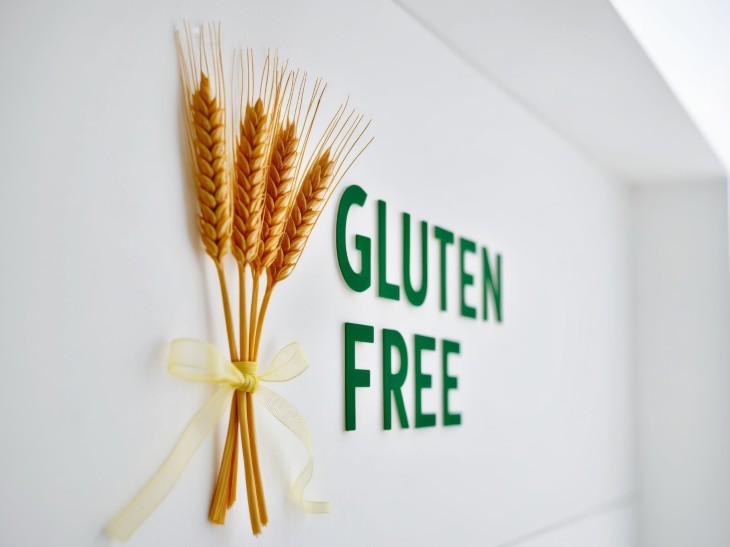
A gluten-free diet is medically necessary for a handful of conditions:
Celiac disease is an autoimmune disorder in which gluten triggers the immune system to attack the lining of the small intestine. Over time, this causes serious damage that interferes with nutrient absorption. About 1% of the population has celiac disease, but experts believe many cases remain undiagnosed.
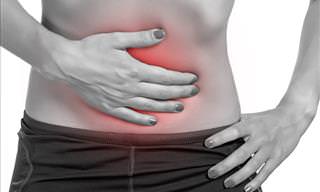
Symptoms can include abdominal pain, chronic diarrhea, weight loss, fatigue, and anemia - though some people experience few or no obvious symptoms at all. Non-celiac gluten sensitivity causes symptoms similar to celiac disease - bloating, stomach pain, brain fog, and fatigue - but without the intestinal damage. It's diagnosed by ruling out celiac disease and wheat allergy, then observing whether symptoms improve on a gluten-free diet.
Gluten ataxia is a rare neurological condition in which gluten triggers damage to the cerebellum, affecting balance, coordination, and movement.
Dermatitis herpetiformis is a chronic, intensely itchy skin rash with blisters that's directly linked to gluten consumption. It's sometimes called "celiac disease of the skin."
Some people with irritable bowel syndrome (IBS) also report improvement on a gluten-free diet, though research hasn't definitively confirmed whether it's the gluten itself or other components in wheat (like FODMAPs) that trigger their symptoms.
So, Are There Benefits for Healthy People?
This is where it gets interesting. Researchers have been trying to answer this question for years, and the results are decidedly mixed. A 2018 study published in Nature Communications followed healthy Danish adults who didn't have celiac disease and compared the effects of a low-gluten diet versus a high-gluten diet. The researchers found that the low-gluten group experienced less self-reported bloating, positive changes in their gut microbiome (the community of bacteria living in the digestive tract), and improved markers of carbohydrate metabolism.

Sounds promising, right? But there are important caveats. The study was small, and the researchers only tested participants for celiac disease - not for non-celiac gluten sensitivity. So it's possible some participants had an undiagnosed sensitivity that was skewing the results.
On the other side of the ledger, a comprehensive 2019 research review concluded that there are no significant benefits to a gluten-free diet for people without a gluten-related condition. The researchers suggested that the improvements many people report may simply be a placebo effect - the expectation of feeling better creates the perception of feeling better.
There's also a simpler explanation that often gets overlooked: when people go gluten-free, they tend to pay much more attention to what they eat overall. They may cut back on processed foods, eat more fruits and vegetables, and cook more meals at home. Those changes - not the absence of gluten - are likely what's making them feel better.
The Downsides You Might Not Expect
Here's where the story takes a turn. Going gluten-free when you don't need to doesn't just fail to help - it could actually cause some real problems.
Nutritional Gaps

There's a widespread assumption that gluten-free products are healthier than their regular counterparts. In reality, the opposite is often true. Many gluten-free products are lower in fiber, B vitamins, iron, zinc, magnesium, calcium, and folate. To compensate for the taste and texture that gluten provides, manufacturers frequently add extra sugar, saturated fat, and calories. So that gluten-free cookie on the shelf? It might actually be less nutritious than the regular version sitting right next to it.
Heavy Metal Exposure

This one catches most people off guard. Research has shown that people who follow a gluten-free diet may be exposed to higher levels of heavy metals like arsenic, lead, and cadmium. The reason? Many gluten-free products rely heavily on rice flour as a substitute for wheat. Rice is known to absorb heavy metals from the soil at higher rates than other grains, and regular consumption of rice-based products can lead to measurable increases in exposure over time.
The Price Tag

Gluten-free products come with a hefty markup. Studies have found that gluten-free items can cost two to three times more than their conventional equivalents. For someone with celiac disease, that's an unavoidable expense. But for someone without a medical need, it's money that could be better spent on high-quality whole foods that would provide far more nutritional bang for the buck.
Social and Practical Challenges

Maintaining a strict gluten-free diet can make dining out, traveling, and socializing more complicated. It can also create unnecessary stress around food choices. Some people who adopt the diet without a medical reason report feeling isolated at social gatherings or anxious about accidentally consuming gluten - anxiety that serves no health purpose if they don't actually have a gluten-related condition.
What Should You Do Instead?
If you're experiencing symptoms like bloating, stomach pain, chronic fatigue, or digestive issues after eating foods that contain gluten, the first and most important step is to see your doctor and get tested. And here's a crucial point many people miss: do not start a gluten-free diet before getting tested. Eliminating gluten before testing can actually interfere with the results and make it much harder to diagnose celiac disease.
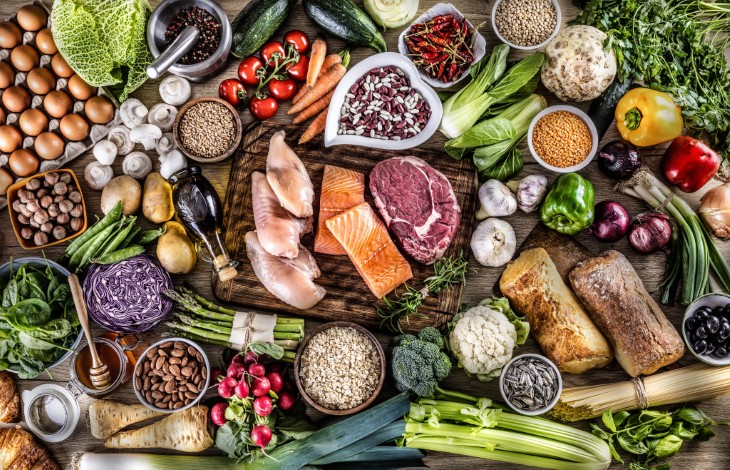
If you're healthy and simply curious about reducing gluten, consider a more balanced approach. Instead of cutting it out entirely, try diversifying the grains in your diet. Incorporate naturally gluten-free whole grains like quinoa, buckwheat, millet, amaranth, and brown rice alongside your regular wheat-based foods. This gives you a wider range of nutrients without the downsides of a fully gluten-free diet. Better yet, focus on the dietary changes that actually matter most for health: eat more whole, minimally processed foods; load up on vegetables, fruits, and legumes; cut back on added sugar and ultra-processed snacks; and stay well hydrated. These simple shifts will do far more for your energy, digestion, and overall well-being than any trendy elimination diet.
The Bottom Line
A gluten-free diet is a vital, life-changing tool for people with celiac disease and related conditions. But for the rest of us, the evidence is clear: going gluten-free offers no proven health benefits and comes with real risks - from nutritional deficiencies and heavy metal exposure to unnecessary expense and social stress.
Before jumping on the bandwagon, talk to your doctor or a registered dietitian. They can help you figure out whether a gluten-free diet makes sense for your situation, or whether simpler, more sustainable changes to your eating habits would serve you much better. Sometimes, the healthiest choice is knowing when not to give something up.