
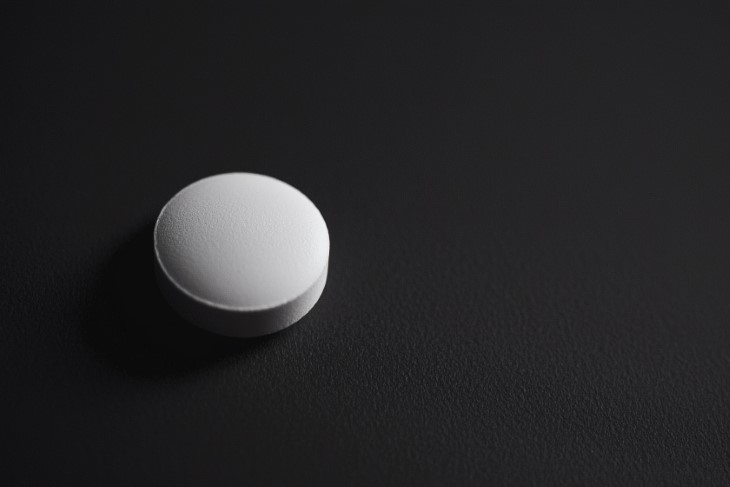
For decades, aspirin was the darling of preventive medicine. Millions of people around the world swallowed a small white tablet every morning with their coffee, convinced they were protecting themselves from heart attacks, strokes, and just about everything else. Your doctor probably recommended it. Your parents probably took it. Aspirin felt as routine and harmless as a daily vitamin.
But science has moved on — and the medical consensus has shifted dramatically. Since 2022, leading health organizations no longer recommend routine daily aspirin for most people. The U.S. Preventive Services Task Force now advises against starting aspirin for heart disease prevention in adults over 60, and recommends it only selectively for younger adults at elevated risk.
Yet old habits die hard. A recent analysis found that more than 1 in 10 adults who shouldn't be taking preventive aspirin were still doing so in 2023. The topic resurfaced in early 2026 when reports emerged that President Donald Trump takes 325 milligrams of aspirin daily — a dose significantly higher than the 81-milligram low-dose typically used even in cases where aspirin is prescribed.
“Part of it is that you can buy aspirin without a prescription,” explained Dr. Anne Murray, a geriatrician and epidemiologist at Hennepin HealthCare Research Institute. “Historically, people thought it was good for them. Changing medical practice really takes a generation.”
So let’s set the record straight. Here are seven aspirin myths that refuse to die — and what the science actually says.
Myth #1: "A daily aspirin will keep me healthy for longer."
The Reality: For most older adults who have never had a heart attack or stroke, this simply isn’t true. A landmark 2018 study known as ASPREE (Aspirin in Reducing Events in the Elderly) followed over 19,000 healthy adults aged 70 and older across the U.S. and Australia. The result? Daily low-dose aspirin did not extend healthy lifespan — defined as living free of physical disability, dementia, or death.

A follow-up study published in September 2025, which continued tracking those same participants for several additional years, confirmed the original findings: aspirin does not help otherwise healthy older people live longer or healthier lives.
The idea that a daily pill could extend your lifespan is appealing, but the evidence doesn’t support it. The best strategies for longevity remain the basics: regular exercise, a balanced diet, quality sleep, stress management, and strong social connections.
Myth #2: "Aspirin prevents heart problems."
The Reality: This one is partly true — but only for a specific group of people. If you’ve already had a heart attack, stroke, or had a stent placed in your arteries, your doctor may prescribe aspirin as part of what’s known as secondary prevention. In these cases, the blood-thinning properties of aspirin can reduce the risk of another cardiovascular event.
But for people with no history of heart disease — what doctors call primary prevention — the picture looks very different. Later and larger studies revealed that aspirin’s risks, particularly internal bleeding and potential cancer concerns, often outweigh its modest cardiovascular benefits in otherwise healthy individuals.
If you’re looking to prevent heart disease in the first place, medical experts point to the American Heart Association’s Life’s Essential 8: managing blood pressure, controlling cholesterol, reducing blood sugar, being physically active, eating a healthy diet, maintaining a healthy weight, not smoking, and getting adequate sleep. These lifestyle factors are far more effective than any single pill.
Myth #3: "It’s over the counter and low-dose, so it must be harmless."
The Reality: The fact that aspirin is available without a prescription gives many people a false sense of security. Over-the-counter doesn’t mean risk-free. The ASPREE study found that healthy older adults who took daily low-dose aspirin for five years had a 38% increased risk of significant bleeding events — including gastrointestinal bleeds and, in rarer cases, bleeding in the brain.
This is an important reminder that applies to all over-the-counter medications: accessibility is not the same as safety. Even common supplements and pain relievers can have serious side effects, particularly when taken daily over long periods. Aspirin is a powerful drug that affects how your blood clots, and it deserves the same respect as any prescribed medication.
“Only take daily aspirin if it’s prescribed to you by your doctor,” said Dr. Donald M. Lloyd-Jones, a past president of the American Heart Association and preventive medicine specialist at Boston University.
Myth #4: "Thinner blood is always better — higher doses work even more."
The Reality: This is a dangerous misconception. When it comes to aspirin, more is definitely not better. Studies have consistently shown that low-dose aspirin (81 milligrams) is just as effective as higher doses at preventing the types of blood clots that cause most heart attacks and strokes. What the higher dose does accomplish, unfortunately, is a significantly increased risk of bleeding.
Taking 325 milligrams daily — four times the standard preventive dose — provides no additional cardiovascular protection while substantially raising the chances of gastrointestinal bleeding, stomach ulcers, and other hemorrhagic events. The relationship between blood thinning and health is not linear. Your blood needs to clot to heal wounds and prevent internal bleeding; making it too thin can be just as dangerous as having blood that clots too easily.
Myth #5: "I’ve been taking it with no problems, so it’s clearly safe for me."
The Reality: The absence of symptoms doesn’t equal the absence of risk. Many people assume that because they haven’t experienced visible bleeding or other obvious side effects, aspirin must be safe for them. But bleeding risk from aspirin is cumulative — it builds over time. You may take it for years without incident and then experience a serious bleed.
An analysis published in November 2025 offered a silver lining, though: bleeding risk decreases once you stop taking aspirin. This means the damage isn’t permanent, but it also underscores the importance of regularly reassessing whether you still need to be on aspirin, particularly as you age and your risk profile changes.
This is why annual check-ups with your doctor are so important. What made sense for your body five years ago may no longer be appropriate today.
Myth #6: "Aspirin prevents cancer."
The Reality: This is one of the most complicated and misunderstood areas of aspirin research. Over the years, some studies have suggested that regular aspirin use may lower the risk of certain cancers, particularly colorectal cancer. This led to widespread enthusiasm and even influenced some medical recommendations.

However, the picture is far from clear. Research from the same ASPREE trial revealed a troubling finding: older adults who took aspirin to prevent a first-time heart attack or stroke actually had an increased risk of being diagnosed with cancer at a more advanced stage (stage 3 or later). Dr. Murray noted that “the findings suggest that in older persons, aspirin may accelerate the progression of cancer and, thus, suggest caution with its use in this age group.”
The bottom line is that aspirin’s relationship with cancer is not fully understood, and it should certainly not be taken as a cancer prevention strategy without medical guidance.
Myth #7: "My neighbor takes it, so I can too."
The Reality: Health decisions should never be based on what someone else is doing — not your neighbor, not your cousin, and not a politician. Every person’s cardiovascular risk is unique, shaped by factors including family history, age, blood pressure, cholesterol levels, diabetes status, lifestyle, and more.
Your primary care doctor can calculate your specific risk for heart attack and other cardiovascular events using validated tools. Based on that assessment, they can create a personalized prevention plan that weighs the potential benefits of aspirin against your individual risks. What’s right for one person could be genuinely harmful for another.
As we age, these risk calculations become even more important, which is why regular visits to your doctor grow increasingly valuable over time.
The Bottom Line
If your doctor has prescribed daily aspirin for you, keep taking it — the benefits for people with established cardiovascular disease are real and well-documented. But if you’ve been self-medicating with aspirin based on outdated advice, old habits, or someone else’s recommendation, it’s time to have an honest conversation with your doctor.
The science on aspirin has changed, and our habits need to change with it. In an era of personalized medicine, there’s no reason to rely on one-size-fits-all thinking when it comes to something as important as your heart health.
As Dr. Lloyd-Jones put it: “Don’t start taking aspirin without a prescription from your doctor.”
Sometimes the most powerful thing you can do for your health isn’t adding a pill — it’s adding a conversation.