
Think back to the fathers you grew up seeing on television. Maybe it was the gruff, no-nonsense Archie Bunker. Or the quietly dignified Jack Arnold from The Wonder Years. Strong, steady, and not exactly rushing to share their feelings. For a long time, that was the template - the stoic provider who kept things running and kept his emotions under wraps.
But a new generation of kids has a very different idea of what a great dad looks like. And their answer is both simple and quietly profound.
What Young People Are Saying They Need
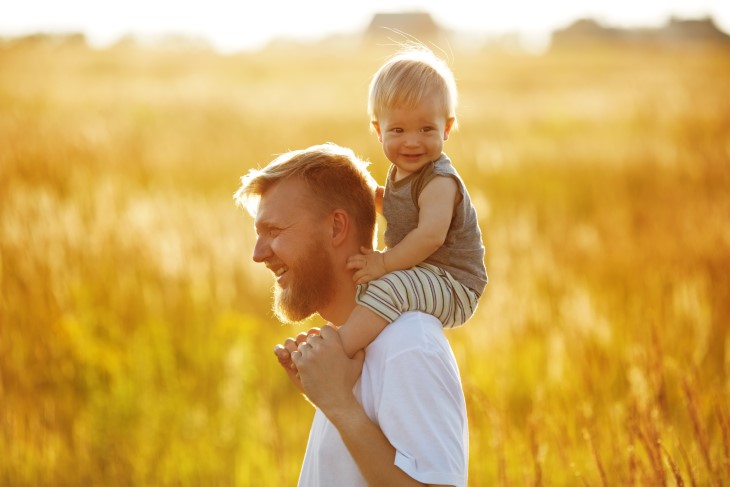
A major new study from the Center for Scholars & Storytellers at UCLA surveyed 1,500 young Americans between the ages of 10 and 24 about the male figures they see in movies and on TV - and what they want to see in the fathers and men in their real lives.
The results were striking. The top quality young people wanted? Fathers who openly show love for their children - cited by nearly 58% of those surveyed. Beyond that, kids said they wanted to see dads who genuinely enjoy parenting, who ask for help when they need it, who seek support for their mental health, and who aren't afraid to show affection.
In short: less stoic provider, more warmly present parent. Think less The Wonder Years and more Bandit from the beloved animated show Bluey - a dad who's endlessly patient, playful, and emotionally engaged.
Why Vulnerability Is Actually Strength
It might seem like a small thing for a father to say, "I'm feeling a little stressed today, so I'm going to take a minute to breathe." But according to Dr. Yalda T. Uhls, a developmental psychologist and founder of the UCLA center that conducted the study, that kind of honesty is enormously powerful.
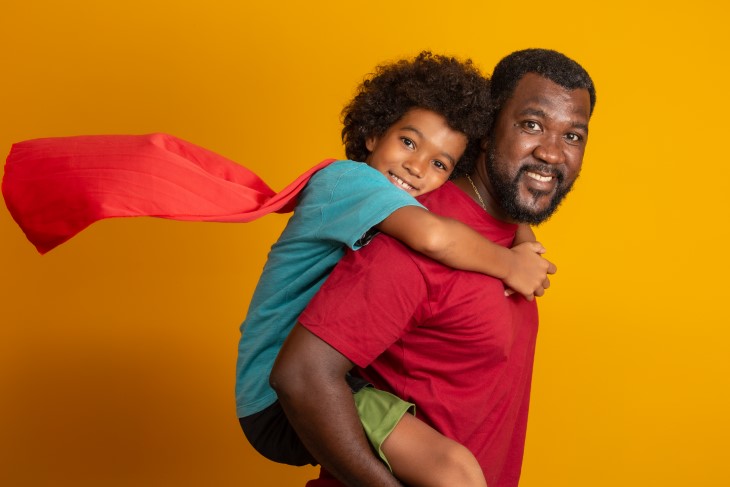
"A father saying that models that vulnerability is a form of strength, not a liability," she explains.
When children only see their father in "tough guy" mode, they quietly learn that difficult emotions are something to be hidden rather than handled. But a dad who shows appropriate vulnerability - who admits uncertainty, expresses affection, or says "I was wrong, and I'm sorry" - gives his children something invaluable: permission to be fully human themselves.
Dr. Pamela Rutledge, a psychologist and professor of media psychology, puts it plainly: "Children learn what emotions are 'safe' to have by watching the adults closest to them." A father who models emotional openness helps his kids - especially his sons - understand that asking for help and showing feelings aren't signs of weakness. They're signs of character.
Simple Ways Dads Can Start Today
The good news is that none of this requires grand gestures or major personality overhauls. Small, consistent moments of emotional presence add up more than most fathers realize.
Here are a few easy places to start:
Here's the most encouraging part of all this: most fathers already love their children deeply and take their role seriously. A Pew Research survey found that 85% of dads say being a father is one of the most important parts of their identity.
That love is already there. What today's kids are asking for is simply to see it - expressed openly, warmly, and without apology.
As parenting psychologist Dr. Heather Wittenberg says, "This generation expects dads to be more emotionally invested in parenting, and rightly so. Kids benefit so much!"
And so, as it turns out, do the dads.