
Turns out, your laundry setting has real-world impact on both your clothes and the planet.
If you follow laundry care labels religiously, but your favorite jeans are still looking a little tired or your black t-shirts have started to fade, you might just be using the wrong wash cycle.
A 2020 study from the University of Leeds in the U.K., conducted in collaboration with Procter & Gamble, found that switching to a cooler, quicker wash doesn't just keep clothes looking newer for longer—it also saves energy and reduces the amount of tiny fibers and dyes that leach into the environment.
According to researchers, every load of laundry releases hundreds of thousands of microfibers—tiny strands that can end up in oceans and beaches where they exist for years and are often ingested by sea creatures. This study, though five years old, is important because it was the first to look specifically at how wash cycle duration affects not only the environment, but also clothing longevity and colorfastness.
To mimic average household laundry loads, researchers washed 12 dark and eight brightly colored T-shirts from an activewear supplier (brands included Gildan, Russell, and Hanes) using conventional washing machines and detergent pods to measure fading, microfiber shedding, and dye release in wastewater. Researchers compared two cycle temperatures and durations: a 30-minute cycle at 77°F (25°C) with an 85-minute cycle at 104°F (40°C), both spun at 1,600 revolutions per minute (RPM) for 16 cycles each.
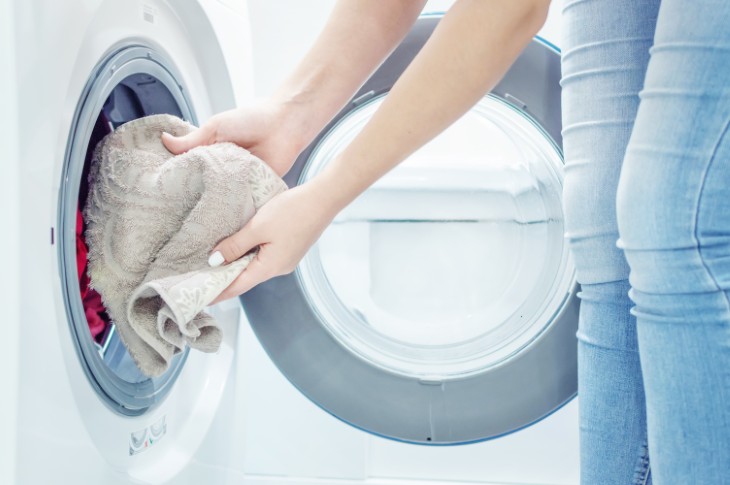
Clothes washed in the warmer, longer cycle lost color faster, shed more fibers, and released more dye into the water. The shorter, colder cycle, on the other hand, reduced microfiber release into wastewater by up to 52% and cut dye transfer by as much as 74%. Lowering the wash temperature also slashes energy use per load by around 66%, proving that cooler, shorter washes are a triple win: good for clothes, good for the environment, and good for your energy bill.
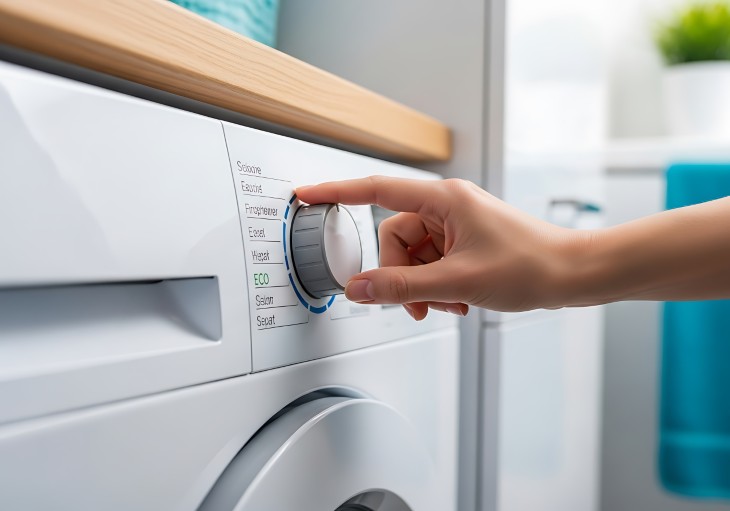
"We are increasingly familiar with the environmental threat posed by throwaway fast fashion, but we also know that consumers claim their clothes can lose their fit, softness and color after fewer than five washes—this means it's more likely they will ditch them long before they are worn out," said Dr. Lucy Cotton, a lead author from the University's School of Design. "Using shorter, cooler washes is a simple way everyone can make their clothes last longer and keep them out of landfill."
Five years later, the takeaway holds true. In recent years, testing shows that top detergent brands are being formulated to clean better in cold water. And the newest washing machines are incorporating dedicated cold water cycles, so getting good cleaning and fabric protection in cold water is now easier than ever.
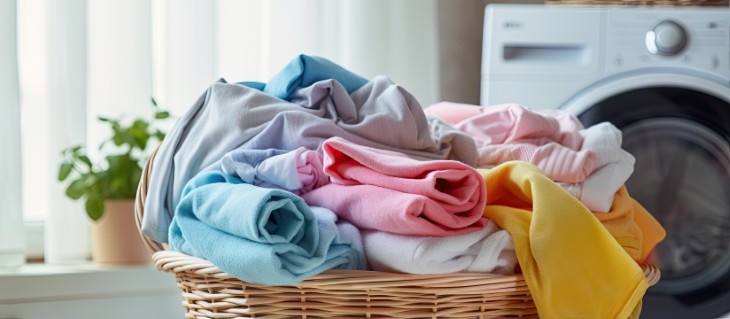
But it's important to remember that not every load of laundry is suited for a cold, quick wash. Bedding, towels, and heavily soiled items like gym clothes may still benefit from warmer or longer cycles to remove embedded dirt and kill bacteria. But for everyday laundry—T-shirts, jeans, and other lightly worn garments—a quicker, colder cycle of about 77°F for 30 minutes paired with a high-quality detergent will do just fine.
The research is clear: for most everyday clothing, a 30-minute cold wash at around 77°F is the sweet spot. This simple adjustment can:
With modern detergents designed for cold water and washing machines equipped with efficient cold cycles, there's never been a better time to make the switch. Your clothes—and the planet—will thank you.