

What Every Electric Car Owner Needs to Know
Electric vehicles are having a moment — and it's easy to see why. They're better for the environment, cheaper to run, and remarkably smooth to drive. But if you've recently made the switch (or you're thinking about it), there's one thing worth knowing right away: EVs still need regular care. Less than a gas car, yes — but not zero.
Here's a practical rundown of what to keep on your radar.
The Motor Good news: the electric motor is far simpler than a traditional combustion engine, with far fewer moving parts. That means fewer things to go wrong. Still, it should be serviced on a regular schedule — think of it the same way you'd think about routine checkups. Staying ahead of small issues is always cheaper than fixing big ones.
When choosing a mechanic, make sure they have specific experience with electric vehicles. Not every shop does, and an EV motor is different enough that you want someone who knows what they're looking at. Many dealerships offer EV-specific service plans, which can be worth the investment for peace of mind.
Tires Here's where EV ownership can cost a little more. Because electric vehicles tend to be heavier than gas-powered cars, their tires need a higher load rating — and they typically need rotating a bit more often, roughly every 5,000 to 7,500 miles rather than the standard 7,500 to 10,000.
Check your tire pressure monthly. EVs are sensitive to underinflation — it affects both your range and your safety more than most drivers realize. Many EVs display tire pressure on the dashboard, so there's really no excuse to let it slide.
One more thing: without an engine rumbling underneath you, road noise becomes surprisingly noticeable. If a quiet ride matters to you, look for tires specifically rated for low noise. You'll be glad you did.
Cabin Air Filter This one's easy to forget, but it makes a real difference to your comfort. The cabin air filter keeps the air inside your car clean and fresh — something especially important if you or anyone in your family has allergies or respiratory sensitivities. Plan to replace it every 15,000 to 30,000 miles, or once a year if you drive frequently in dusty or high-pollen environments. If you start noticing strange smells, extra dust on the dashboard, or weaker airflow from the AC, that's your car telling you it's time for a new one. The good news: it's one of the easiest and most affordable maintenance tasks you can do yourself.
Know Your Battery The battery is the heart of your electric vehicle — and every battery is a little different. Before anything else, take the time to read your owner's manual carefully and learn the specifics of yours. Some batteries are more sensitive to heat than others. Some charge more slowly in cold weather. Understanding these quirks will help you get the most out of your car and avoid costly mistakes down the road.
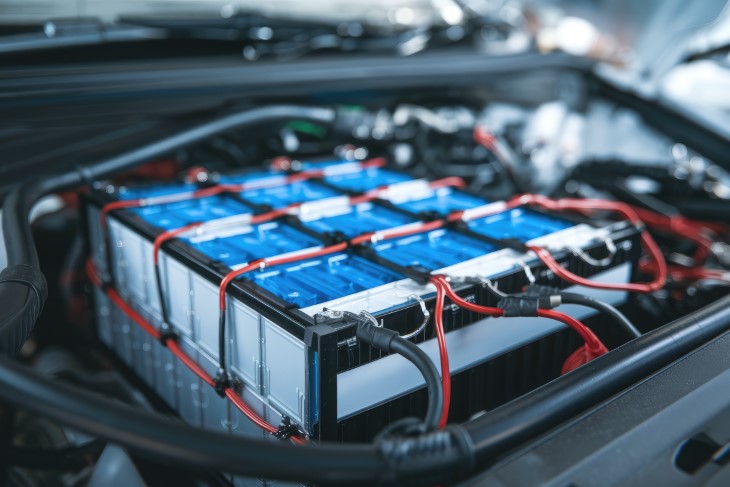
Charging Smart How you charge your battery matters just as much as how often you charge it. A good general rule: try not to charge your battery all the way to 100% for everyday use. Most experts recommend stopping at around 80%, which puts less strain on the battery cells over time. Save the full charge for long road trips when you genuinely need the extra range.
On the flip side, letting the charge drop very low — and leaving it there for a week or more — isn't great for battery health either. Try to keep your charge level somewhere between 20% and 80% as a daily habit. It sounds fussy at first, but most modern EVs let you set a charging limit right in the app or on the dashboard, so it becomes automatic.
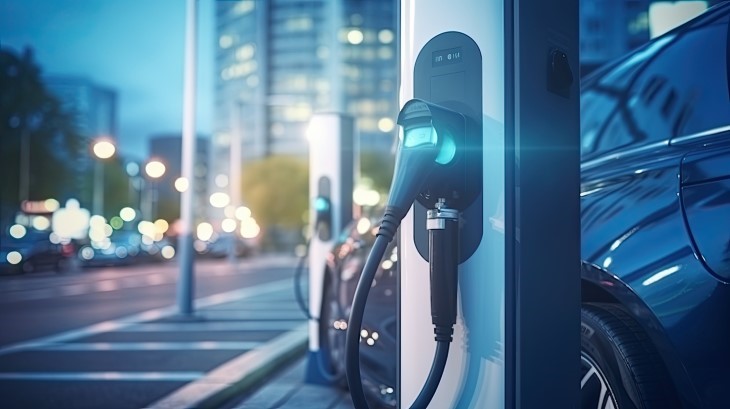
Also worth knowing: frequent use of DC fast chargers (the kind that charge your car in 20–30 minutes) is convenient, but using them exclusively can accelerate battery wear. For everyday charging at home, a standard Level 2 charger is gentler on the battery and perfectly adequate for overnight use.
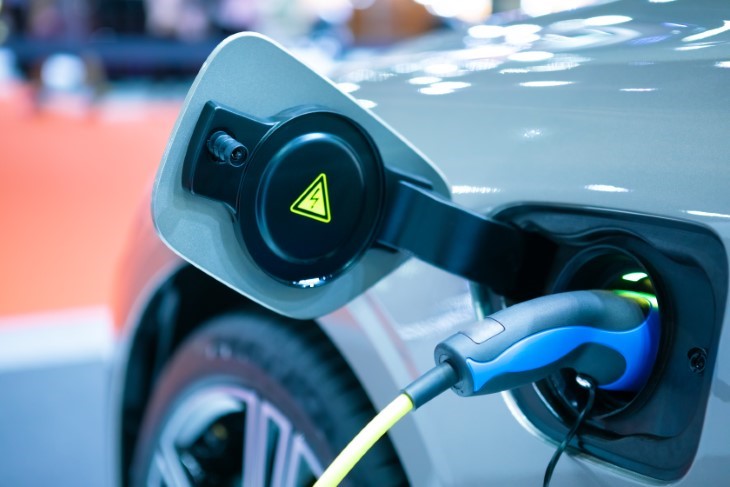
Protecting Your Battery from the Elements Temperature is your battery's biggest enemy. Extreme heat speeds up chemical degradation inside the battery, while extreme cold temporarily reduces your range — sometimes by 20–40% on very cold days. Neither is cause for panic, but both are worth planning around.
Park in a garage or shaded area whenever possible, especially in summer. In winter, use your car's pre-conditioning feature (available on most EVs) to warm up the battery and cabin while it's still plugged in — this saves your actual driving range for the road. Avoid leaving your car parked in direct sun for long stretches with a high charge level; heat plus a full battery is the combination most likely to shorten its lifespan.
Brakes Here's a pleasant surprise for new EV owners: your brakes will probably last much longer than they did on your old gas car. That's because electric vehicles use regenerative braking — the motor slows the car down and recovers energy at the same time, reducing how often the physical brake pads engage. Some EV drivers go years between brake jobs.
That said, don't skip brake inspections entirely. Because the pads are used so rarely, they can sometimes corrode or seize from lack of use rather than from wear. A quick check during your regular service visits will catch anything unusual before it becomes a problem.
Software Updates This one surprises a lot of new EV owners: your car gets software updates, just like your phone. These updates can improve battery management, adjust charging behavior, add new features, or fix minor issues — sometimes significantly. Most manufacturers push updates over Wi-Fi while your car is parked at home. Get in the habit of checking that your car is connected to your home network and that updates are set to install automatically. It takes no effort and keeps your vehicle running at its best.
The Basics Still Apply An electric vehicle is still a vehicle. Windshield wiper fluid still runs out. Tires still need rotating. And while EVs don't need oil changes, they do have other fluids — brake fluid and coolant among them — that should be checked and replaced on schedule.