
A damp or wet basement isn't just a nuisance—it poses serious risks to both your home's foundation and your family's wellbeing. From surface condensation to underground water infiltration, moisture issues demand effective solutions to protect your property.
This detailed guide covers everything you need to know about diagnosing basement moisture problems, implementing immediate and lasting fixes, and taking steps to prevent future water intrusion. You'll discover both do-it-yourself approaches and professional remedies to help you choose the best path forward for safeguarding your foundation and living areas.
Early detection of basement water problems can help you avoid expensive restoration work later. Watch for these telltale indicators:
Successfully solving basement moisture issues starts with pinpointing where the water originates. Three primary culprits exist: condensation, water runoff, and underground seepage. Each demands its own specific remediation approach.
When humid, warm air meets cold basement surfaces—concrete floors, walls, or uninsulated pipes—water droplets form through condensation. This moisture can build up over time and create persistent dampness.
Diagnosis: Test for condensation by taping aluminum foil over a wet area and examining it after a full day. Moisture appearing on the foil's exterior surface indicates condensation is the issue.
Potential Solution: Begin by enhancing airflow throughout the space. Open windows when possible, run portable fans, and add a dehumidifier to extract excess moisture. Wrapping cold pipes with foam insulation sleeves prevents humid air from condensing on their surfaces. For more thorough protection, apply waterproofing products like UGL's DryLok Waterproofer or KING's Xypex high'n dry to basement walls—these sealants penetrate concrete and block its pores.
Improperly managed rainfall and snowmelt represents another frequent source of basement dampness. When water isn't diverted away from your foundation, it penetrates the topsoil and builds pressure against foundation walls, eventually finding its way through openings and fissures.
Diagnosis: Basement moisture that appears during or immediately after storms or spring thaw typically indicates a runoff issue.
Potential Solution: Verify that soil grading around your house creates a slope moving away from the structure—aim for at least 1 inch of vertical drop per horizontal foot. Confirm that downspout discharge points are positioned no closer than 4 feet from the foundation, and check that driveway curbing directs water toward the street. Maintain clean gutters to avoid overflow situations, and if necessary, add a dry well system to handle surplus water.
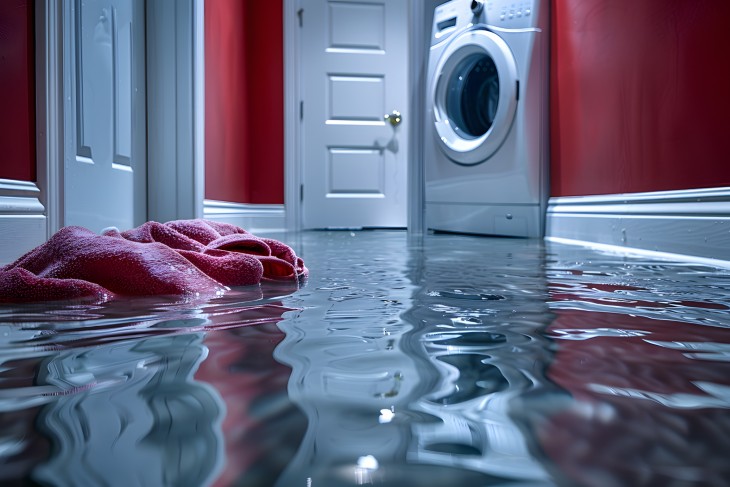
Elevated groundwater levels or natural underground springs can cause water to enter your basement from beneath. When you experience symptoms similar to runoff problems but they persist constantly, subsurface seepage is likely the cause.
Diagnosis: A basement that stays consistently wet long after rain events, or where water emerges through the floor itself, suggests subsurface seepage.
Solution: Underground water problems typically require expert help. Remedies range from injecting absorbent clay materials into surrounding soil and filling cracks with urethane caulk, to implementing sump pump systems or establishing drainage networks inside or outside the foundation. These complex interventions can carry substantial costs.
For Serious Seepage: Interior perimeter drains constructed from perforated piping surrounded by gravel collect water and direct it to a sump pump, which then expels it from the basement. | Tom Moore
Before selecting solutions, determine how severe your moisture situation is. This evaluation guides whether you can address it personally or need professional expertise.
Minor concerns like occasional dampness or small water accumulation after intense rainfall may be manageable with DIY approaches. However, recurring flooding, persistent standing water, or damage to structural components warrant consultation with a specialized waterproofing professional. They can conduct comprehensive inspections and propose suitable protective measures for your foundation and interior spaces.
When confronting a wet basement, swift action prevents additional harm and mold development. Here are effective immediate interventions.
Adequate air movement is essential for drying damp basements. Position fans throughout the area to circulate air, concentrating on the wettest sections.
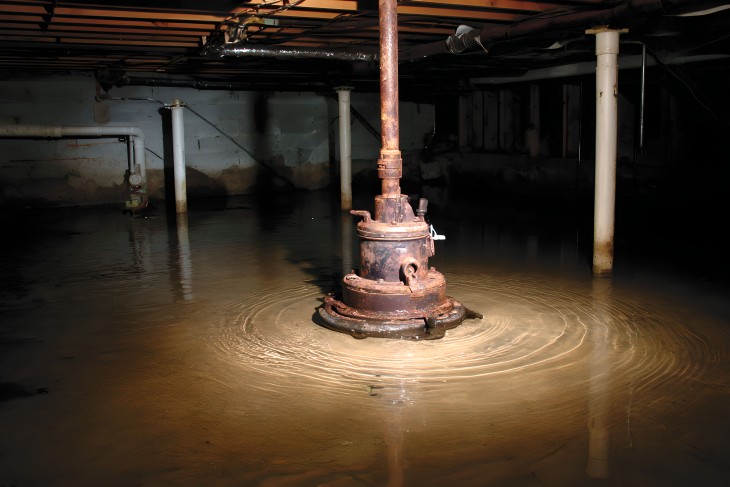
Extract any pooled water immediately using a wet/dry shop vacuum or pump. Larger water volumes may require renting a submersible pump. After eliminating the bulk of water, use mops and absorbent towels to address remaining wetness.
Controlling humidity levels is fundamental to preventing ongoing moisture issues. The Environmental Protection Agency (EPA) advises maintaining basement humidity under 50%. Track humidity using a hygrometer and modify your dehumidifier accordingly. Select a high-performance hygrometer and a robust dehumidifier capable of processing at least 50 pints daily for optimal results.
In cold seasons, raising basement temperatures can help minimize condensation on cool surfaces.
While immediate fixes offer temporary relief, establishing long-term strategies is critical for sustained basement dryness. These approaches target the fundamental causes of moisture and help avoid recurring problems:
Effective drainage keeps water away from your foundation. Keep gutters and downspouts free of blockages and ensure they channel water a minimum of 4 feet from your house. Evaluate installing downspout extensions or a French drain network to control excess water. Shape the earth around your foundation to slope away from the structure, facilitating natural water movement.
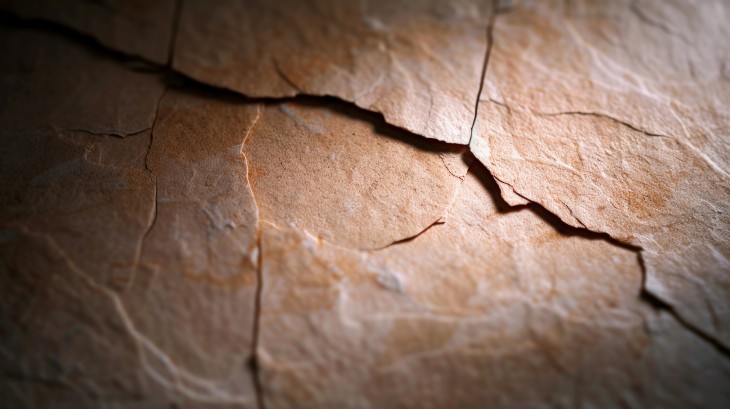
Examine basement walls and flooring for cracks and fill them using hydraulic cement or polyurethane masonry caulk. For wider cracks (1/4 inch or larger), hydraulic cement works best as it expands during curing. Following crack repair, apply waterproof coating to walls for an extra moisture barrier.
Sump pumps provide effective management of groundwater and basement flood prevention. These systems gather water in a collection pit and pump it away from your foundation. When adding a sump pump, ensure proper sizing for your basement area and consider including battery backup to maintain operation during electrical outages.
Handy homeowners have several practical waterproofing options available.
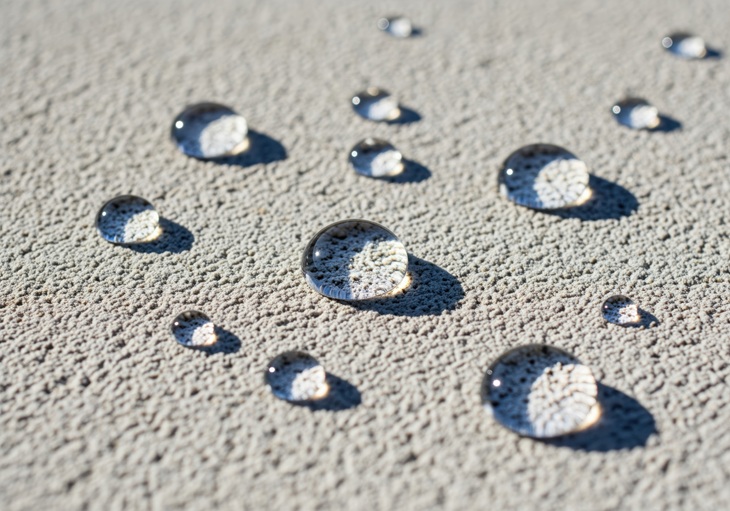
Products like UGL's DryLok Waterproofer can be applied to basement walls to establish a moisture shield. Prepare and clean walls following manufacturer directions, then apply coating uniformly with a brush or roller. Several coats may be required for best results.
Quality ventilation reduces humidity and prevents condensation. Add exhaust fans in bathrooms and laundry spaces, ensuring they vent outdoors. For crawl spaces, consider foundation vents to encourage air movement. In finished basements, utilize window fans or dehumidifiers to sustain appropriate airflow and moisture control.
Serious or ongoing moisture issues may necessitate professional waterproofing services. These specialists deliver comprehensive solutions customized to your particular circumstances.
Professional interior waterproofing typically includes installing a perimeter drainage system along your basement floor. This collects water and directs it to a sump pump for discharge. Professionals may also use specialized sealants and coatings on walls and floors for enhanced protection.
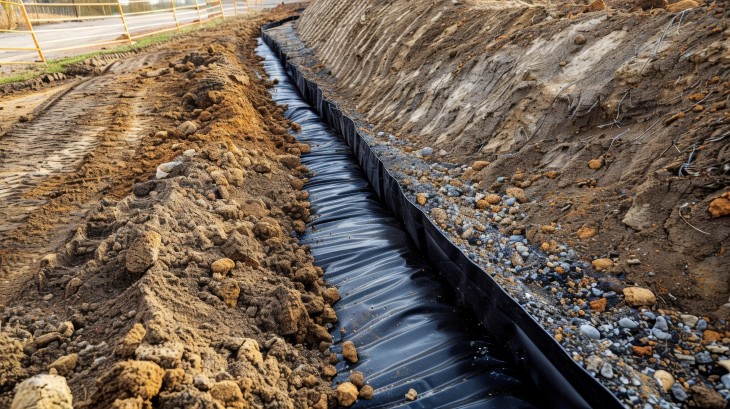
Exterior waterproofing is more involved, requiring excavation around the foundation to install waterproof membranes and drainage systems. Though more disruptive and expensive, this approach delivers excellent long-term defense against water penetration.
French drains effectively manage groundwater surrounding your foundation. Professional installation guarantees correct positioning and slope to successfully redirect water from your basement. This system proves especially valuable for properties in high water table areas or regions with frequent heavy precipitation.
Keeping your basement dry demands continuous attention and proactive measures. Apply these preventive strategies to control moisture.
Consistent maintenance ensures long-term basement dryness. Consider these essential actions:
Strategic landscaping significantly impacts basement moisture prevention. Preserve positive grading away from your foundation and avoid placing moisture-loving plants near your home. Think about adding a rain garden or dry well to manage property water runoff.
Basement waterproofing expenses vary considerably based on problem severity and chosen approach. A 5-gallon container of UGL Drylok runs approximately $160 and covers 250–350 square feet of surface area.
Quality dehumidifiers appropriate for controlling basement humidity range from $160–$300, with larger models reaching $600.
Professional waterproofing becomes necessary for extreme water intrusion and provides more dependable long-term results.
The table below shows typical costs for common professional waterproofing services:
| Service | Typical Cost* |
|---|---|
| Exterior French drain installation | $10–$100 per linear foot |
| Excavation | $50–$200 per cubic yard |
| Interior French drain installation | $60–$120 per linear foot |
| Foundation coating | $500–$1,000 for full project |
| Yard grading | $500–$3,000 for full project |
| Sump pump installation | $1,200–$2,500 |
| Foundation repairs | $5,000 |
*Cost data via Angi.
Keep in mind these represent average prices—actual costs fluctuate based on basement size and water intrusion severity.
Though professional services cost more initially, they typically provide more thorough and durable solutions for significant moisture problems.
Addressing a wet basement presents challenges, but with proper methodology, it's a manageable and preventable problem. By identifying moisture sources, applying suitable solutions, and staying vigilant, you can safeguard your foundation and establish a healthier indoor environment.
Whether selecting DIY techniques or professional services, the critical factor is prompt action when detecting moisture signs. Routine maintenance and preventive steps can spare you from expensive repairs later. With determination and appropriate strategies, you can maintain a dry, comfortable basement for many years ahead.