Parking your car outside during winter months presents unique challenges, especially in cold, snowy climates. Proper winter car care is essential for maintaining your vehicle's condition and preventing costly damage. Here's what you need to know to keep your car in top shape when it's exposed to the elements.
Combat Salt Damage
Ice salt keeps roads safe, but it can wreak havoc on your vehicle. Cars parked outside are particularly vulnerable to salt spray from snow removal crews passing through your area.
Regular washing is your first line of defense. Whether you visit a professional car wash or use waterless cleaning products at home, frequent cleaning prevents salt buildup. Consider adding a polymer wax barrier during washing—available at most car washes—to protect hard-to-reach areas where salt tends to accumulate. This protective layer is especially important for the undercarriage, where salt can cause rust on metal components.
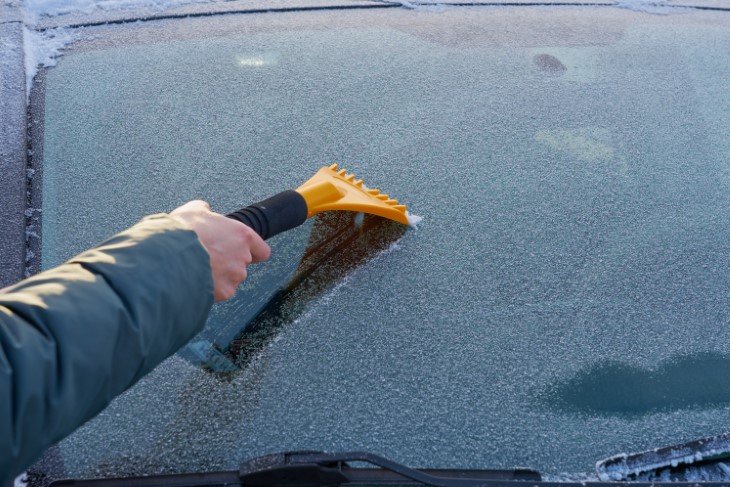
Your windshield takes significant abuse during winter, making protection essential.
Before winter arrives: Inspect your windshield for any small cracks or chips. These minor imperfections can rapidly expand when temperatures drop, potentially leaving you with a major crack that requires full replacement.
Overnight protection: Use a windshield cover when parking outside overnight. Additionally, raise your wipers before the temperature drops below freezing to prevent them from freezing to the glass.
DIY de-icing solutions: Create your own effective de-icer by mixing two parts rubbing alcohol with one part water in a spray bottle. Alternatively, combine three scoops of road salt with a spray bottle of water. Either solution will melt ice quickly and streamline your morning routine.

Winter demands special attention to these critical components.
Tire care: If you have a two-wheel drive vehicle, snow tires can make a dramatic difference in winter driving safety. Check your tire pressure weekly, as temperature fluctuations directly affect tire pressure. Use the penny test to verify adequate tread depth—insert a penny into the tread with Lincoln's head pointing down. If his entire head remains visible, it's time for new tires.
Fluid levels: Verify that your coolant contains sufficient antifreeze to handle winter temperatures. Check your owner's manual for recommended intervals and consider switching to a thinner oil blend in areas with freezing temperatures.
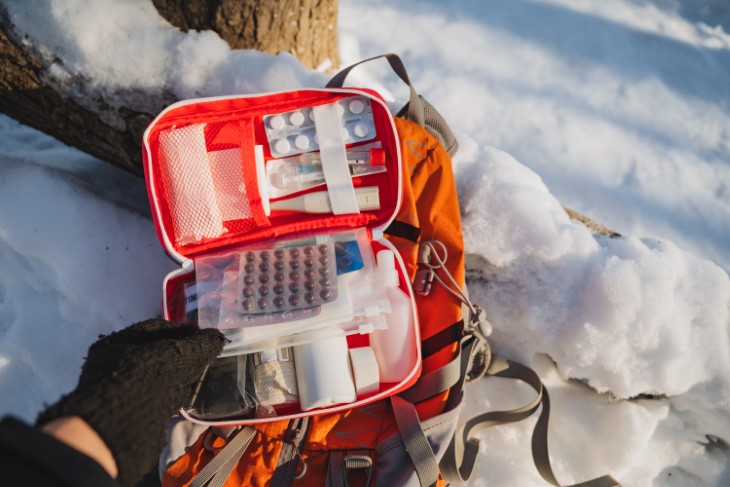
Winter emergencies are more likely when your car sits outside, making a well-stocked emergency kit crucial.
Essential items include:
Even though help will eventually arrive, being prepared can make the difference between discomfort and danger during an icy breakdown.

Parking outside in winter requires proactive maintenance to protect your investment. By regularly cleaning off salt, protecting your windshield, monitoring tire pressure and fluid levels, and keeping an emergency kit on hand, you'll minimize winter-related damage and stay safe on the road.
Remember, dealing with issues before they surface is always easier and less expensive than handling major problems later. Following this seasonal maintenance guide will help ensure your vehicle performs reliably regardless of weather conditions, giving you the most value and longevity from your car.