
The transmission is one of the most important components in any vehicle. It is part of the system that transfers the power generated by the engine to the wheels to make them turn. In recent years, more and more drivers worldwide have chosen vehicles with automatic transmissions due to their convenience and, in particular, their suitability for urban traffic and congestion. Although an automatic transmission makes driving easier and, on the surface, the vehicle "does the work" on its own, it’s important to know that improper operation of an automatic transmission can lead to accelerated wear, costly repairs, and even real safety risks. The good news is that avoiding a few small mistakes and maintaining simple habits can make a big difference.
In the following article, you’ll find a brief explanation of how an automatic transmission works, learn about the different types available on the market today, and get tips to help you drive more correctly, maintain your vehicle, avoid expensive repairs, and drive with peace of mind for the long term.
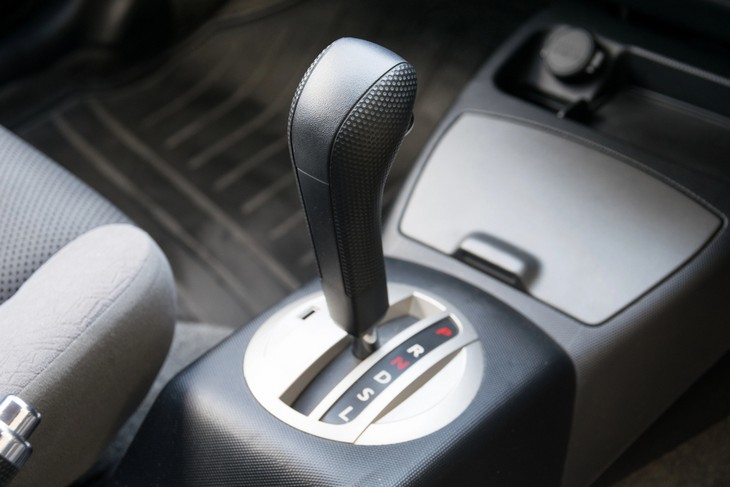
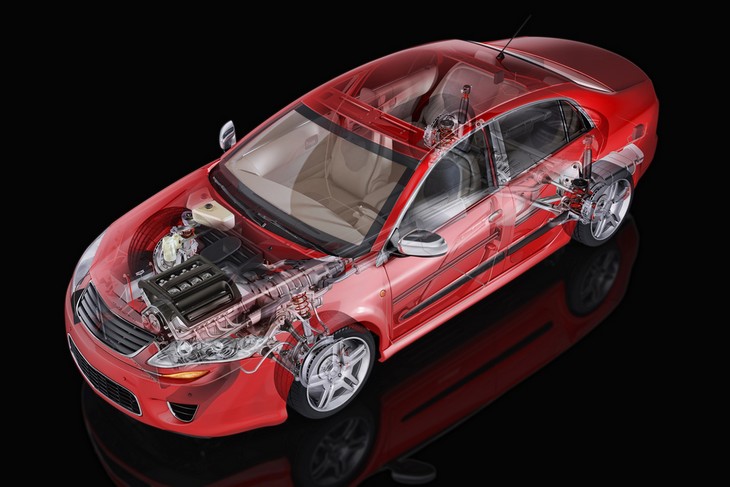
All automatic transmissions operate on the same principle, but there are several different types, each using different technology and offering a distinct driving experience. The differences are reflected in performance, fuel efficiency, driving feel, and required maintenance.
Planetary Transmission - This is the oldest and most common type, based on a system of planetary gears and a torque converter, which smoothly transfers power from the engine to the transmission. Its main advantages are reliability and a smooth, pleasant driving experience, but in some cases, it consumes slightly more fuel compared to other types.
Continuously Variable Transmission (CVT) - A CVT doesn’t have fixed gear ratios like traditional gears but instead provides a smooth, continuous transition between countless states. The result is fuel efficiency and very smooth driving, especially at low speeds. However, some drivers experience a “slipping” sensation or less responsive acceleration, and some claim it’s less enjoyable to drive.
Dual-Clutch Transmission (DSG) - This transmission combines the convenience of an automatic with the responsiveness of a manual. It uses two clutches – one for even gears and one for odd gears – allowing for very fast gear shifts with almost no power interruption. Drivers seeking performance will particularly enjoy it, but it’s worth noting that it’s more sensitive to heavy urban driving and may require more expensive maintenance.
Robotic Transmission - This transmission is built like a standard manual transmission but with a computerized system that shifts gears automatically. It’s cheaper to produce and sometimes fuel-efficient, but it often suffers from slow or jerky gear shifts, especially during starts and slowdowns. For this reason, it’s less common in modern private vehicles but is still found mainly in smaller or budget-friendly cars.
A vehicle with an automatic transmission is more user-friendly, but it’s also more sensitive to improper operation. Seemingly small mistakes can cause serious damage and lead to expensive repairs. Here are some things to avoid and the reasons behind them.
Switching between R and D (and vice versa) without coming to a complete stop: If you switch from forward (D) to reverse (R), or vice versa, before the vehicle has fully stopped, significant stress is placed on the transmission system, which can wear out or break. Even if the vehicle “survives” it once, repeating this action will significantly shorten the transmission’s lifespan.
Driving downhill in neutral (N): In the past, many thought rolling downhill in neutral saved fuel, but in reality, this is a dangerous action. In this state, the driver loses control of the vehicle; there’s no engine braking, the response is slower, and the brakes wear out faster. Additionally, in most modern vehicles, there’s no real fuel savings in this mode.
Revving the engine in neutral and then shifting to drive: Some drivers try to accelerate quickly by pressing the gas pedal while the transmission is in neutral (N) and then quickly shifting to D. This causes a sudden jolt in the transmission, which can immediately damage the torque converter and other components. This is one of the most harmful actions for an automatic transmission.
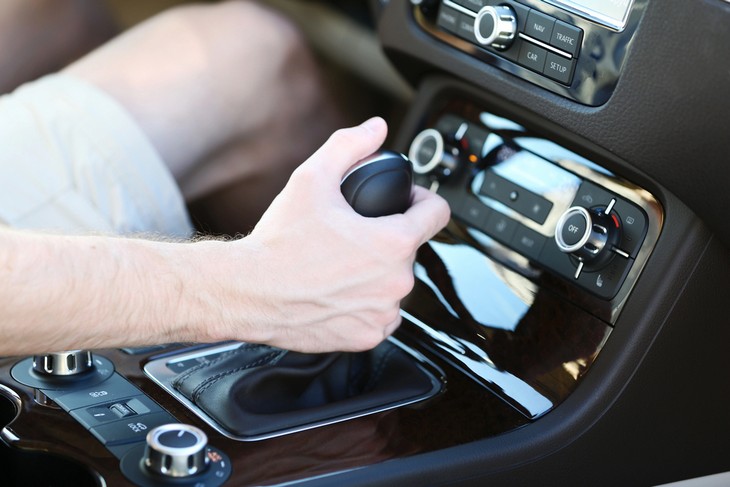
Shifting to neutral at traffic lights: Some drivers shift to neutral at every stop to “reduce wear” or save fuel, but this is unnecessary. Modern transmissions know how to reduce engine load even when the vehicle is stationary in drive. Repeatedly shifting between modes only strains the system and usually provides no real benefit.
Shifting to park (P) while the vehicle is still moving: The park mode includes a mechanical lock of the transmission. Activating it before the vehicle has fully stopped can break the locking mechanism or cause severe damage. Always ensure a complete stop before shifting to P.
Come to a complete stop before shifting between modes: Whether switching from D to R or vice versa, or to any similar mode mentioned in the mistakes to avoid, always ensure the vehicle has fully stopped. This simple action prevents unnecessary stress on delicate transmission components and keeps them functional for years.
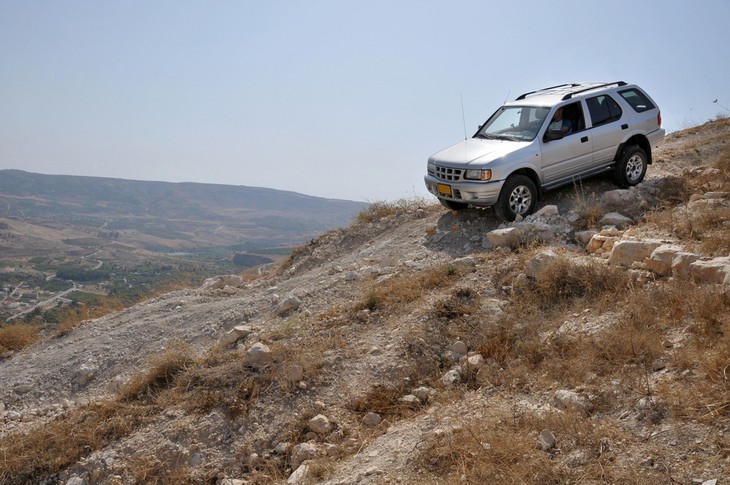
Use “Low” or “Manual” mode on long descents: When driving down a steep hill for an extended period, it’s better to shift the transmission to a mode suitable for engine braking (e.g., “L” or a low gear in manual mode) instead of relying solely on the brakes. This helps maintain control while preventing overheating and wear on the brake system.
Check and maintain transmission fluid: Transmission fluid is responsible for lubricating, cooling, and ensuring the proper functioning of the entire transmission system. It’s important to periodically check the fluid level and condition (per the manufacturer’s guidelines) and replace it at recommended intervals. Old or contaminated fluid can impair transmission performance and cause accelerated wear.
Pay attention to the vehicle’s behavior and visit a garage if necessary: If you notice vibrations, jerking, rough gear shifts, or slow acceleration response, don’t ignore it. Transmission issues can worsen quickly, and early diagnosis may save the entire system.