
Of all the seasons, fall may be the best one for gardening. The days are bright and sunny, but the cooler temperatures make for pleasant conditions to be outdoors. It is also the ideal time to plant garlic, which is widely considered one of the easiest crops to cultivate. The cloves are planted in the autumn and harvested the following summer in a process that any gardener can master.
Garlic (Allium sativum) has been cultivated for over 5,000 years, and its lasting appeal is no surprise. It adds a vibrant zing to any dish, and the taste of fresh garlic is far more pungent and crisp than the cloves that have been sitting on grocery store shelves. Furthermore, planting garlic can be beneficial for the garden's ecosystem, as its strong odor helps to deter pests. This can reduce issues with rodents that target other bulbs, like tulips, or insects like squash bugs that plague summer squash.

There are two main types of garlic to consider for planting:
Softneck: This type has a flexible stem that is suitable for braiding, which aids in longer storage. Softneck varieties are the best choice for growers in southern climates.
Hardneck: This type features a stiff, edible stem known as a scape. Hardneck garlic grows well in cold climates. The scape is harvested in late spring, which encourages the plant to direct its energy into developing a larger bulb.
Many different varieties are available, but a few favorites include:
Softneck:
Inchelium Red: Grows well in both warm and cold climates. It has a mild flavor and is the best variety for braiding.
Italian Early: Thrives in cold and western climates and can also be braided. It is considered one of the longest-storing garlic varieties.
Hardneck:
Chesnock Red: A cold-hardy variety prized for its large cloves, which develop a smooth texture when roasted.
Music: Grows well in cold climates and produces jumbo cloves with a robust flavor.
Garlic can be planted anytime from mid-fall until the ground freezes. This planting window typically ranges from mid-October to December, depending on the climate.
Select a spot that receives full sun, which is defined as six or more hours of direct sunlight daily. Garlic does not tolerate soggy soil, so it is essential to plant it in a well-draining area of the garden. The location should also be one that will not be disturbed, as garlic requires about eight months to mature before it is ready for harvest.
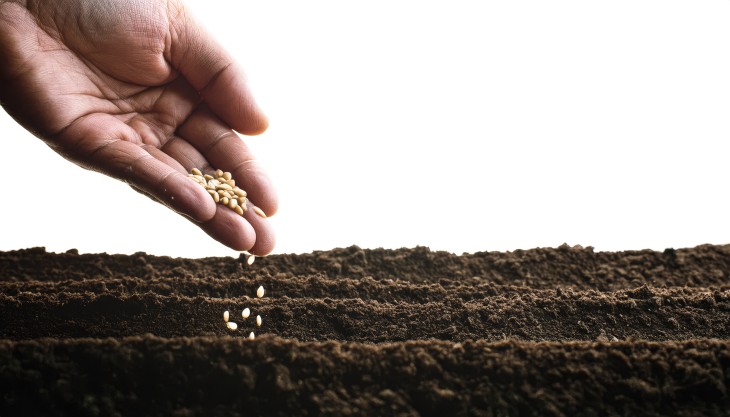
To plant, dig a hole about 4 to 6 inches deep, opting for a shallower depth in warm climates and a deeper one in cold climates. When ready to plant, break apart the bulb and separate each clove. The papery sheath should be left intact on each clove, though it is fine if some of it comes off. Place the clove in the hole with the pointy end facing up, cover it with soil, and tamp down gently. Allow for about 6 inches of space between each clove. After planting, water the area well.
It is common for the bulbs to sprout green shoots after planting in the fall; this will not harm the final harvest. In the spring, apply a balanced fertilizer when green shoots first appear. The garlic bed should also be watered occasionally during periods of extreme drought and kept weeded so the garlic is not competing for nutrients and moisture.
Can Grocery-Store Garlic Be Planted?
Most garlic sold in grocery stores has been treated with an inhibitor to prevent sprouting. While attempting to plant it is possible, it is often an unproductive use of time and garden space. Instead, it is recommended to order “seed stock” from reputable growers. These vendors will also ship the garlic when it is ready to be planted in a specific region, which simplifies the process for the gardener.
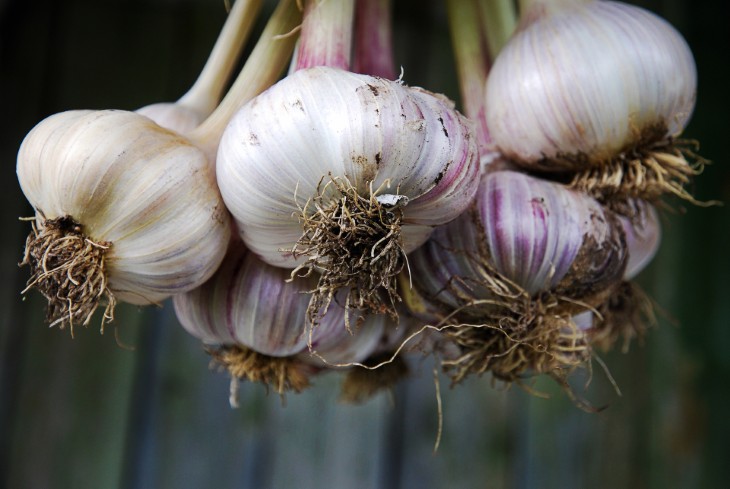
Garlic is ready for harvest in the late spring to early summer, depending on the location and the variety planted. With hardneck varieties, the stems, or scapes, will emerge from the top of the plant a few weeks before harvest time. These should be cut off as they begin to curl; this step is important because removing the scape allows the plant to push its energy into creating a larger bulb. The scapes are edible, featuring a mild garlic flavor, and can be diced and sautéed for any dish that requires garlic or scallions.

For both hardneck and softneck varieties, the time to harvest has arrived when about half of the foliage has turned yellowish and fallen over. Use a spade or garden fork to lift around and under the bulb. Shake off the dirt and allow the bulbs to cure out of direct sunlight for a couple of weeks, as this process improves their storage life. When they are dry, cut the leaves off at the neck area, leaving a few inches of stem intact. The stems of softneck garlic can also be woven into a braid.
How to Store Garlic
Garlic should be stored in a cool, dark place. A jar or container that allows for air circulation is preferable to prevent the heads from rotting. Braided garlic can be hung in a cool, dark location. Both of these methods will allow garlic to last for about 4 to 6 months, depending on the type and storage conditions. Any bulbs that were accidentally damaged during harvest should be used first, as they will spoil more quickly.