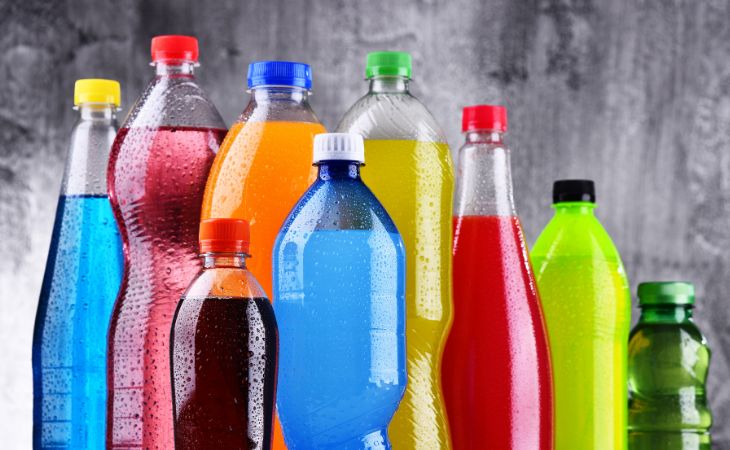
Almost everyone loves sweet drinks, whether they are carbonated beverages, fruit juices, or energy drinks, but did you know that all of these significantly increase your risk of developing type 2 diabetes – even more than sweet foods? A review of studies published in 2025 showed that what we drink has a greater impact than what we eat when it comes to diabetes, and this is especially important information for those who want to protect themselves from the disease. Let’s understand why this is and what can be done to reduce the risk as much as possible?
How much do sweet drinks put us at risk for diabetes?
The researchers analyzed 29 long-term studies that together included over 500,000 healthy participants from around the world. All the studies tracked the participants’ sugar consumption, including the type of sugar they consumed, such as sucrose, which is more commonly used in the food industry, and fructose, which is more prevalent in the sweet beverage industry. The participants filled out questionnaires about how much they consumed of certain foods and drinks, and the researchers calculated how many grams of sugar they consumed as a result.
The studies followed the participants for two years to see if they developed type 2 diabetes, and the researchers looked for patterns to determine whether the type of sugar consumed affected the likelihood of being diagnosed with diabetes. After accounting for body mass index, daily caloric intake, family history of diabetes, and other risk factors such as smoking or physical inactivity, they produced the following findings:
For every 350 ml of sweet drinks consumed daily, the risk of diabetes increased by 25%. This level of risk began from the first day of consumption, meaning there is no amount of sweet drinks that did not increase the risk of developing diabetes.
For every 230 ml of fruit juice consumed daily, the risk increased by 5%.
This risk was relative to the participants’ baseline risk of developing diabetes. For example, if a person’s baseline risk of developing diabetes was about 10%, consuming four sweet carbonated drinks daily increased the risk to 20% (each drink increases the risk by 25% relative to the baseline, i.e., 10 + 2.5*4).
What happens to the body when we drink sweet drinks?
The findings suggest that the type of sugar consumed affects the risk of diabetes, and the researchers explain that the reason sweet drinks are more dangerous is that sugar consumed in liquid form is absorbed much more quickly by the body, leading to a sharper increase in blood glucose and insulin levels. Additionally, sweet drinks lack fiber, protein, or fat, which are present in foods and slow down sugar absorption.
Over time, sweet drinks can disrupt liver metabolism and increase insulin resistance – a key mechanism in the development of type 2 diabetes. This is especially true for fructose, which is found in high-fructose corn syrup, commonly used in sweet drinks. Although the liver can process reasonable amounts of sugar, when it receives high levels (as happens with sweet drinks), it cannot keep up. Excess fructose leads to fat production in the liver, which disrupts insulin secretion and leads to metabolic disease that causes diabetes.
What happens when we eat sugar instead of drinking it?
As already mentioned, the risk of diabetes is higher when sugar is consumed in drinks. Unlike drinks, the food we consume contains varying levels of protein, fat, or both, which slows down the breakdown of carbohydrates in the body, including the breakdown of sucrose and fructose. As a result, the body digests and absorbs sugar more slowly, preventing sharp spikes in blood sugar levels. Additionally, the body secretes more insulin due to amino acids found in proteins. This does not mean, of course, that there is no risk in consuming sugar in food, but the risk of diabetes is lower.
Does this mean we should only drink sweet drinks with food?
Some of you might think to be clever and pair sweet drinks with food to gain the advantage that solid food provides in the sugar absorption process, but it doesn’t quite work that way. The sugar from drinks will still be absorbed quickly, and the best recommendation is simply to drink water with food, partly because sweet drinks add unnecessary calories to the meal.
The bottom line
If you are not at high risk for diabetes, you can eat sweet foods, but it is recommended to avoid sweet drinks. According to the study results, it is clear that sweet drinks significantly increase the risk of developing diabetes, so it’s better to drink water or soda, or fruit infusions and tea if you want a drink with a bit more flavor. Sugar has always been part of our diet, so it’s not the problem. The problem lies in how we consume it, and while it’s recommended to avoid processed foods containing sugar, it’s even more important to avoid sweet drinks that contain it.
Subscribe and REMOVE ALL ADS
LOVE our articles but HATE our ads? For only $3.89 per month, enjoy a seamless, ad-free experience that lets you focus on what matters most — enjoying all of our content, uninterrupted. 🔒 100% Secure Payment 📅 Cancel Anytime, No Strings Attached Unlock a cleaner, faster browsing experience today and gain the freedom to navigate without visual clutter.
Ready for a Ad-Free experience? Upgrade now for just $3.89/month!
To enable your Ad-Free Subscription, please fill the fields below
Thank you for your subscription!
Your subscription was successful, now you can enjoy an ad-free experience!! Note: To make sure you get no ads, please make sure to log in to your account. If you are logged in already, then refresh the page. The subscription can be cancelled at any time.
Subscribe
Want to Stay Smart and Healthy?
Get updates on new posts directly to your inbox!
Login
Login via Email
The new BabaMail app is now available at the app stores.