
If you're tired yet unable to fall asleep, it could be due to an imbalanced circadian rhythm, daytime napping, anxiety, or many other factors.
Some days, no matter how much coffee you consume, you may feel exhausted during the day. Yet all too often, when you finally climb into bed, you find yourself wide awake. Sound familiar?
Read on to discover what could be causing daytime sleepiness but an inability to sleep at night. Once you identify what might be going on, you can take action to support better sleep.
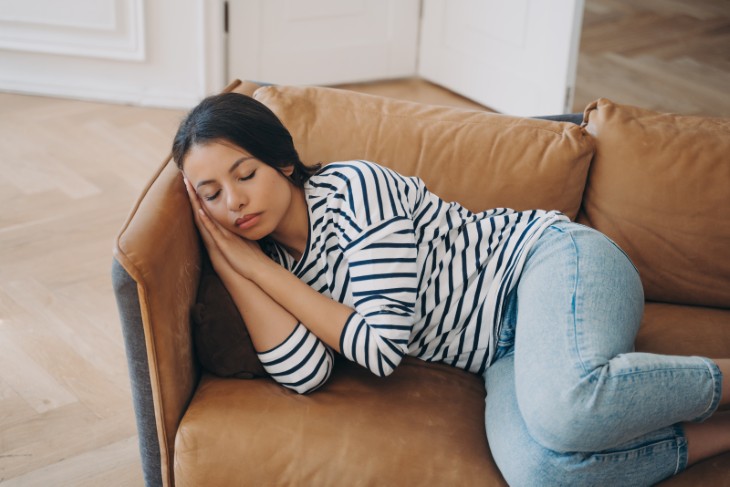
Naps aren't inherently bad. In fact, napping has several health benefits. However, the wrong nap strategy can keep you up when you should be getting deeper sleep.
Research suggests that long naps and napping later in the afternoon may cause you to take longer to fall asleep at night, sleep poorly, and wake up more during the night.
Try to take 20- to 30-minute naps and nap at the same time every day so your body can anticipate them.
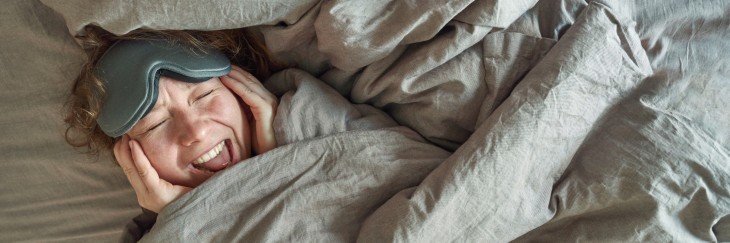
A racing mind isn't conducive to peacefully nodding off. No wonder sleep disturbance is a diagnostic symptom for some anxiety disorders, which are common risk factors for insomnia.
When you're anxious, your body enters a state of heightened alertness. Your mind may cycle through worries about work, relationships, health, or upcoming events. This mental activity triggers the release of stress hormones like cortisol, which naturally keeps you awake and alert.
Anxiety may also lead to increased arousal and alertness, which can delay sleep even further. You might find yourself lying in bed for hours, unable to quiet your thoughts, or waking frequently during the night with a sense of unease.
The frustration of not being able to sleep can then create additional anxiety about sleep itself, leading to a vicious cycle. You may start dreading bedtime or worrying during the day about whether you'll be able to sleep that night, which only perpetuates the problem.
If anxiety is affecting your sleep, consider practicing relaxation techniques before bed, such as deep breathing exercises, progressive muscle relaxation, or meditation. Speaking with a mental health professional can also provide valuable tools for managing nighttime anxiety.
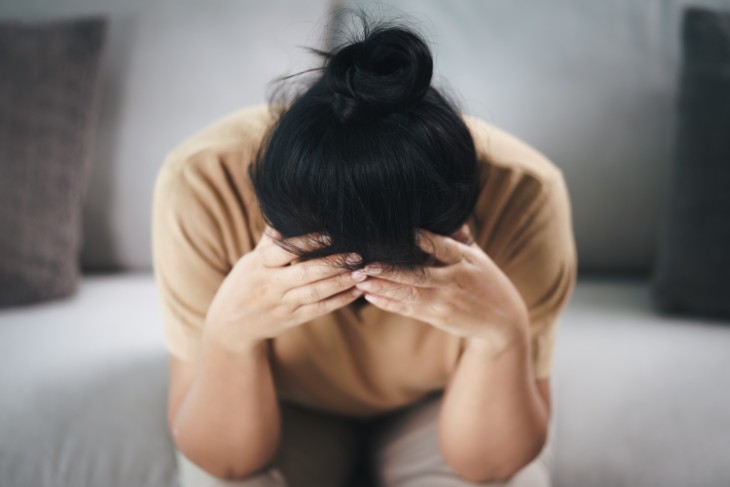
According to recent research, up to 90% of people diagnosed with depression also experience a disturbance in their sleep quality.
Insomnia, narcolepsy, sleep-disordered breathing, and restless legs syndrome are all commonly reported issues. Some people with depression find it difficult to fall asleep, while others wake up very early in the morning and can't get back to sleep. Still others sleep excessively but never feel rested.
The relationship between sleep issues and depression is complicated and bidirectional. Depression appears to disrupt circadian rhythms, throwing off your body's natural sleep-wake cycle. At the same time, chronic sleep problems can increase the risk of developing depression or worsen existing symptoms.
Inflammation, changes in brain chemicals like serotonin and dopamine, genetic factors, and more may all affect the sleep-depression relationship. People with depression often have altered levels of neurotransmitters that regulate both mood and sleep.
Additionally, the fatigue and low energy that characterize depression can make you feel tired throughout the day, yet the same condition can make it nearly impossible to actually fall asleep at night. This paradox is one of the most frustrating aspects of depression-related sleep disturbances.
Treatment for depression, whether through therapy, medication, or lifestyle changes, often improves sleep quality as well. If you suspect depression might be affecting your sleep, it's important to speak with a healthcare provider about comprehensive treatment options.

On average, caffeine has a half-life of 5 hours. Research suggests that even 200 milligrams (mg) of caffeine (about 16 ounces of brewed coffee), 16 hours before bed, may impact your sleep.
Downing 400 mg of caffeine 6 hours or less before bedtime may significantly reduce your sleep quality.
If you drink caffeine, try not to have any 4 to 6 hours before you go to bed. So, if you want to be in bed by 10 p.m., then 4 p.m. is a good coffee cut-off time.
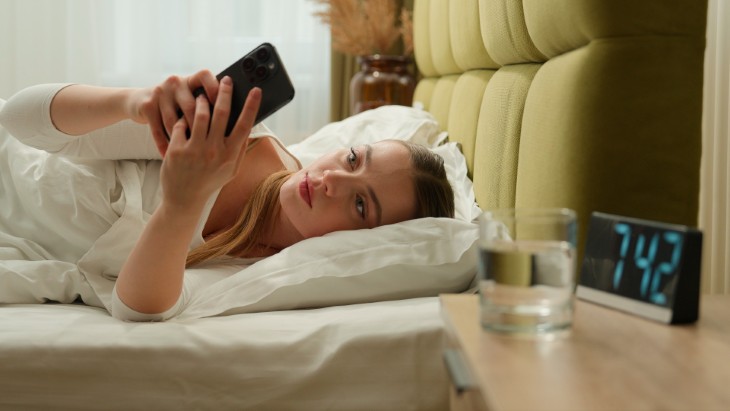
The blue light emitted from phones, tablets, laptops, and TV screens suppresses evening melatonin production and decreases sleepiness.
Our eyes contain special photoreceptors that are particularly sensitive to blue wavelengths of light. When these receptors detect blue light in the evening, they signal to your brain that it's still daytime, effectively confusing your body's internal clock.
This suppression of melatonin doesn't just delay when you feel sleepy—it can also reduce the total amount of melatonin your body produces, leading to lighter, more fragmented sleep throughout the night. Even if you manage to fall asleep after extended screen time, you may wake up feeling less refreshed.
The content you're consuming on screens can also affect sleep. Engaging with stimulating material like work emails, social media drama, or exciting shows can activate your mind and make it harder to wind down. The interactive nature of many digital activities keeps your brain engaged and alert.
You may want to stop using your devices 2 hours before bed. If that feels unrealistic, try to at least minimize screen time in the hour before sleep. You may also consider wearing blue-light blocking glasses at night, using night mode settings on your devices, or installing apps that automatically reduce blue light emission in the evening.
Creating a screen-free bedroom environment can also help signal to your brain that it's time for rest rather than stimulation.
Difficulty sleeping is a common symptom of COVID-19. This could be due to factors such as stress or an autoimmune response to the virus.
A 2021 study of 236,379 people with COVID-19 found that about 5% of them experienced insomnia. Up to 10% of those with severe infections that required hospitalization had sleeping difficulties.
Sleeping difficulties may be more prevalent in people with Long COVID. Research has found that over 40% of people with long-lasting COVID symptoms experienced moderate to severe sleeping difficulties.
The COVID-19 pandemic itself is associated with increasing sleep-related issues. Social isolation, economic hardships, and parenting challenges are among the possible causes.
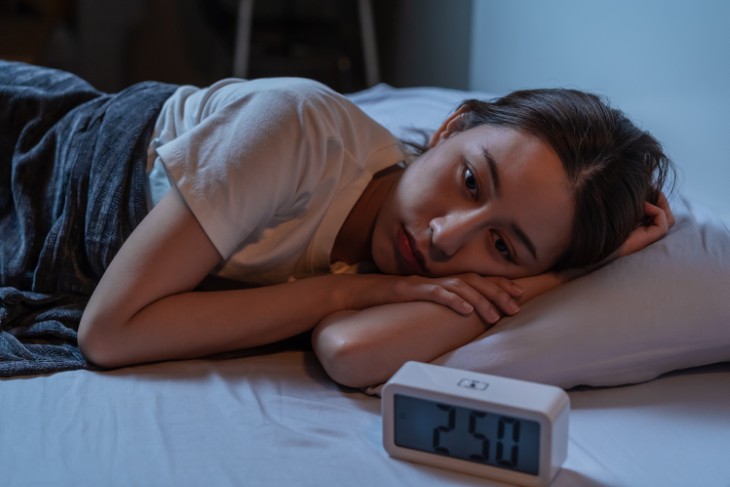
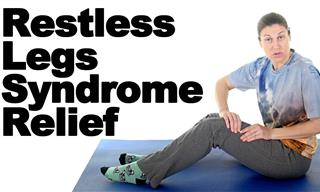
Sleep apnea and restless legs syndrome may make you sleepy but not tired at night. In sleep apnea, breathing repeatedly stops or is very shallow, then starts again. With restless legs syndrome, your legs feel uncomfortable, triggering you to want to move them.
Delayed sleep phase syndrome (DSPS) is another sleep disorder. It occurs when your circadian rhythm is off. DSPS affects young people more, with a prevalence between about 7% and 16%. About 1% of adults have DSPS.
These conditions may disrupt nighttime sleep, which may then cause daytime sleepiness.
The circadian rhythm is like an internal timekeeper for everything our bodies do in a 24-hour period.
This system uses light, dark, and our biological clock to regulate body temperature, metabolism, hormones (including melatonin), and sleep.
Melatonin levels remain low during the day when it's light outside. Later in the day, as it grows darker, our bodies produce more melatonin, with levels peaking between 2 a.m. and 4 a.m. before falling again.
Our bodies are best primed to fall asleep about 2 hours after melatonin levels start to rise.
If you still feel tired every day, and sleep remedies don't help, talk with a doctor.
They can help determine the underlying problem and recommend solutions that will help you get restful sleep so you have daytime energy.