
That sudden feeling of wooziness - like you're about to faint, or the world just shifted under your feet - is something many of us have experienced. And if it's been happening more often lately, you're not alone. Lightheadedness is one of the most common complaints among older adults, and while it's usually not caused by anything dangerous, it's important to take it seriously. Here's why.
Even when the cause is minor, a dizzy spell can send you to the floor - and for older adults, a fall can have serious, lasting consequences. According to the CDC, one in every four Americans over 65 is injured in a fall every year. So whether the lightheadedness itself is a big deal or not, the risk it creates certainly can be.
The good news is that most causes of lightheadedness are manageable - once you know what's behind them.
Lightheadedness vs. Dizziness: What's the Difference?
Before we dive in, it's worth clearing something up, because your doctor will likely ask: are you feeling lightheaded, or are you feeling dizzy?
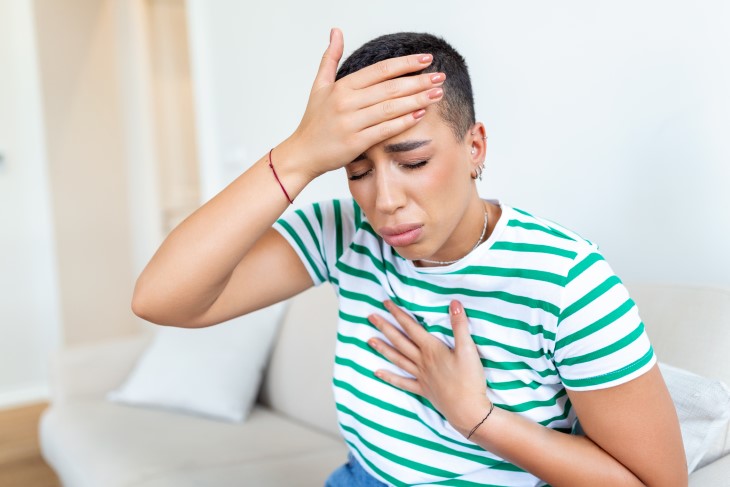
They're not the same thing. Lightheadedness is that woozy, faint feeling - as if you might pass out. Dizziness, or vertigo, is the sensation that the room is spinning around you. Both can be unsettling, but they often have different causes and different treatments. Knowing which one you're experiencing can make a real difference in getting the right help.
The Top 5 Reasons You Might Feel Lightheaded
1. You're Not Drinking Enough Water
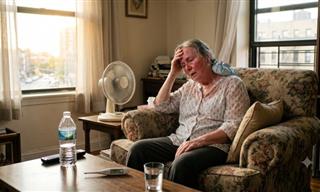
This is by far the most common - and most easily fixed - cause of lightheadedness. When you're dehydrated, the volume of blood in your body drops, which lowers your blood pressure and reduces the blood flow reaching your brain. The result? That woozy, faint feeling.
Dehydration can sneak up on you, especially in warm weather, after exercise, or during an illness. Sometimes a single glass of water or orange juice is all you need to feel better. However, if you've been eating and drinking poorly for several days, it may take more than a quick drink to bounce back - and a doctor may need to check your electrolyte levels and possibly administer fluids intravenously.
Practical tip: Don't wait until you're thirsty to drink water - thirst is actually a late sign of dehydration, especially as we age. Aim to sip water consistently throughout the day, and keep a glass nearby as a visual reminder.
2. A Medication You're Taking
Many common medications - particularly blood pressure drugs and diuretics (water pills) - can cause lightheadedness as a side effect. If they lower your blood pressure a little too well, the result is reduced blood flow to the brain and that familiar woozy feeling.
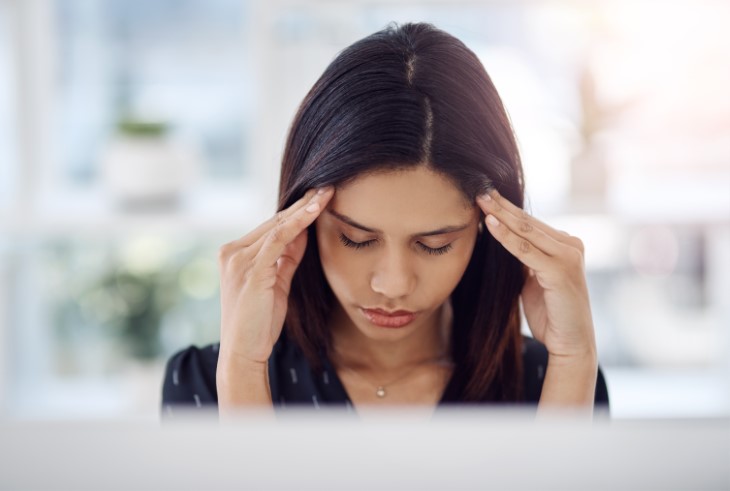
If you've recently started a new medication or had your dose adjusted, and you're experiencing lightheadedness, it's absolutely worth mentioning to your doctor. The fix is often as simple as tweaking the dose or switching to a different drug.
Practical tip: Keep a running list of all your medications - including over-the-counter drugs and supplements - and bring it to every doctor's appointment. Some combinations can affect blood pressure in ways that your doctors might not be aware of if they don't have the full picture.
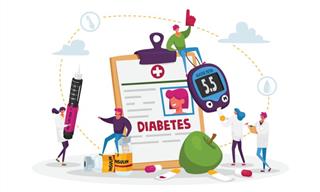
3. Low Blood Sugar
When your blood sugar dips too low, your body goes into conservation mode - including your brain, which starts running on the bare minimum. The result can be lightheadedness, confusion, or a shaky, weak feeling. This can happen if you've skipped a meal, gone too long without eating, or if you have diabetes and your medication or insulin has pushed your blood sugar down too far.

4. Standing Up Too Quickly
Have you ever stood up from the couch or gotten out of bed and felt the room tilt for a moment? That's called orthostatic hypotension - a temporary drop in blood pressure that happens when you change positions. It's more common as we get older, because the nervous system becomes less efficient at quickly adjusting blood pressure to compensate for the position change.
For most people it passes within seconds, but for some it can be a persistent and frustrating problem. Medications are available to treat it, so it's worth bringing up with your doctor if it's happening regularly.
Practical tip: When getting up from bed or a chair, do it slowly and in stages. Sit on the edge of the bed for a moment before standing. Grip a sturdy surface when you rise. Compression stockings can also help by improving circulation and preventing blood from pooling in your legs.
A glass of juice can bring quick relief, but it's best to get your blood sugar checked, especially if this is happening repeatedly.
Practical tip: Try eating small, frequent meals rather than large ones. Big meals can actually cause a drop in blood pressure in older adults, while smaller, regular meals help keep blood sugar levels steady and reduce lightheadedness. The Kingsley Clinic And try not to skip breakfast - it really does matter.
5. Heart Attack or Stroke - Know the Warning Signs
This is the most serious cause on the list, and the one that demands immediate attention. In older adults, lightheadedness can sometimes be the only warning sign of a heart attack or stroke - especially if it doesn't go away on its own.
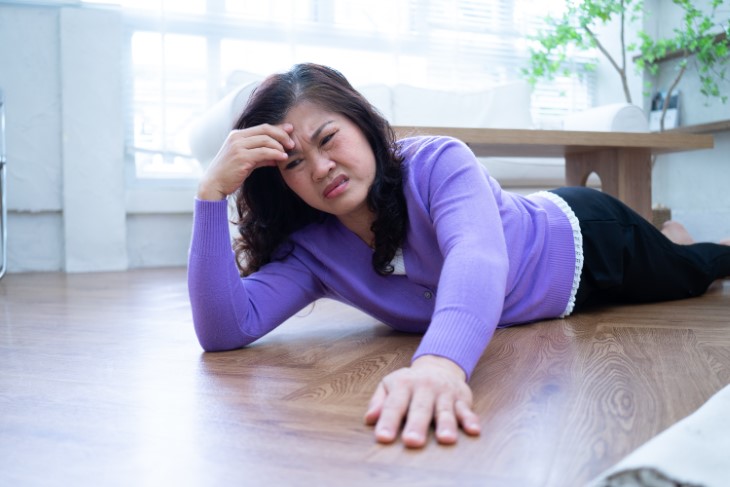
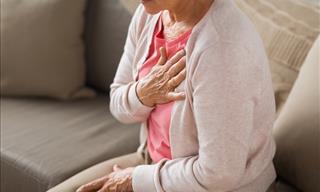
With a heart attack, lightheadedness is often accompanied by chest pain, shortness of breath, nausea, or pain in the arm, back, or jaw. Stroke symptoms include a sudden severe headache, numbness, weakness, trouble speaking, visual changes, or difficulty walking. But again - in older adults, lightheadedness alone may be the signal. If it persists, don't wait. Every minute counts.
More Ways to Reduce Lightheadedness in Daily Life
Beyond addressing the specific cause, there are several everyday habits that can help reduce how often lightheadedness strikes:
When to See a Doctor
If a dizzy spell comes on, sit or lie down, and have a drink of water or juice. If the feeling passes within a few minutes, you're likely okay - but still mention it to your doctor at your next visit.
If symptoms last more than 15 minutes, seek urgent medical care right away. And if lightheadedness is accompanied by chest pain, slurred speech, sudden weakness, or any of the other stroke or heart attack warning signs mentioned above, call 911 immediately - do not wait and see.