|
I’ve always followed what’s going on in the world of science, but I didn’t realize that 2015 was such an incredible year! From regaining perfect vision in eight minutes, to the discovery of hundreds of new wildlife species, this year really had it all. Here’s a run-down of the greatest scientific discoveries made this year: Humanity Discovers a New Ancestor
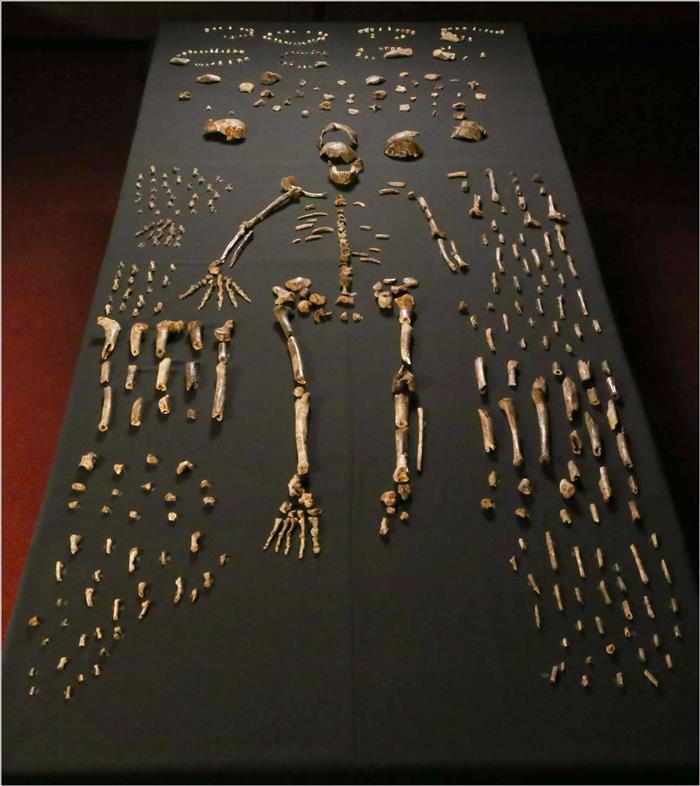
Scientists found another piece of the puzzle in human evolution when they discovered a human ancestor, which they named homo naledi, in Gauteng, South Africa last September. The discovery marked the largest collection of fossils of a single species ever found on the African continent.
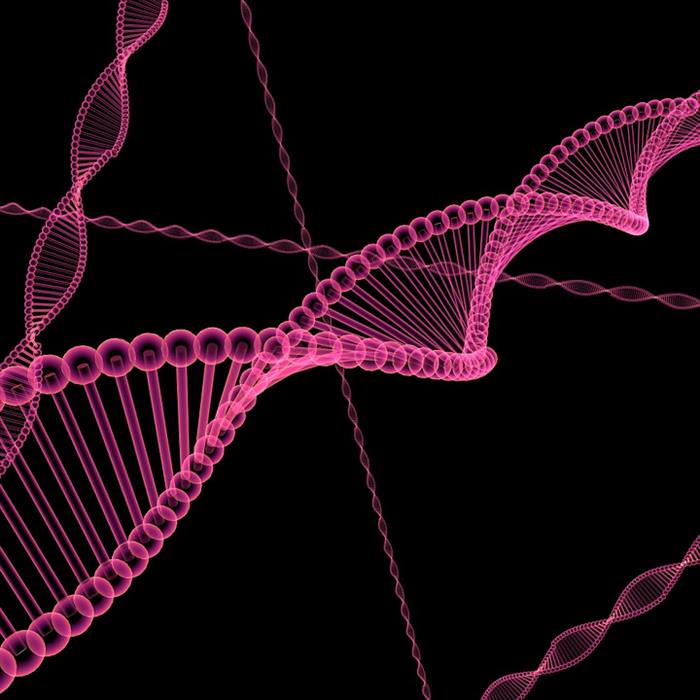
Scientists Make Progress with Editing Human Genes This year marked numerous breakthroughs in the use of gene-editing technology. Chinese scientists edited the DNA of human embryos that were not viable for a live birth. This represented a major step forward towards medical practitioners having the ability to eradicate disease genes from people.
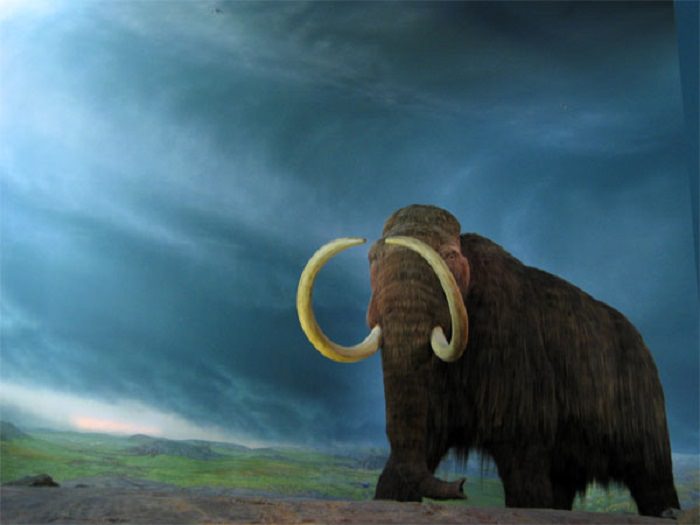
A Reborn Woolly Mammoth Becomes a Closer Possibility
Researchers at Harvard University managed to insert genes from an extinct woolly mammoth into the living cells of an Asian elephant. This means that scientists could have the ability to bring a species with many of its characteristics to life in years to come.
Discoveries of Many New Species The World Wildlife Foundation announced the discovery of 211 species in the Eastern Himalayas in a four-year report it published in 2015. The report concluded that 133 plants, 39 invertebrates, 26 fish, 10 amphibians, one reptile, one bird, and one mammal had been discovered.
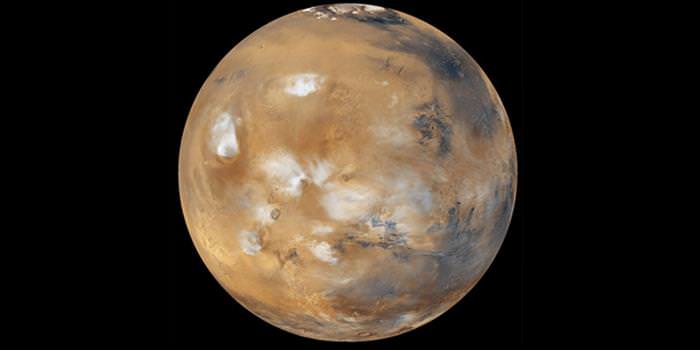
More Evidence of Free-Flowing Water on Mars
NASA scientists have declared that they have found flowing salty streaks of water, which vary with the seasons, on the surface of Mars. They also found perchlorates, which are waterlogged molecules. Both of these discoveries make the presence of living organisms on Mars a much more likely possibility than previously. Blood Tests that Detect Cancer
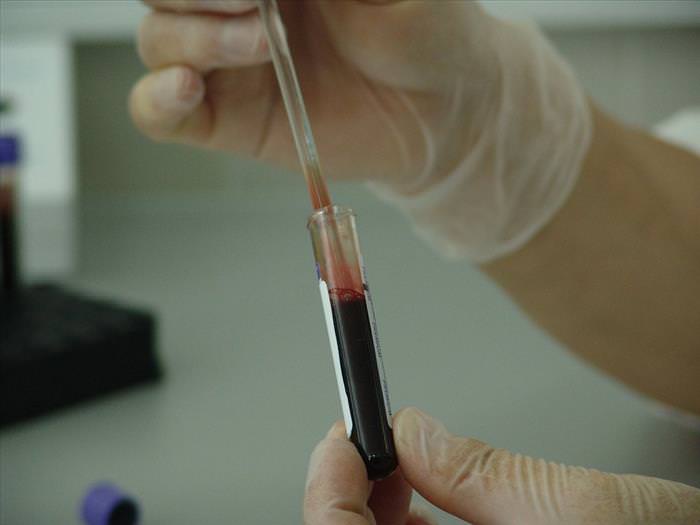
Swedish researchers managed to develop a blood test that can detect the early stages of cancer. It has an accuracy rate of 96%. Furthermore, the test can also correctly classify the type of cancer present in blood with an accuracy of 71%.
A New Antibiotic A new antibiotic called teixobatin was discovered this year, marking the first new discovery of an antibiotic in 30 years. The antibiotic is able to treat common bacterial infections, such as tuberculosis and septicaemia. It might become available to the public in the next five years.
A Comprehensive New Map of Human Cells
A team of US researchers completed work on a comprehensive map of the human epigenome. This map, which maps out over 100 different types of human cells, will help researchers gain a better understanding of the complex relationship between DNA and diseases.
The Brightest Galaxy Ever Discovered CR7 is the brightest galaxy discovered by science to date, emitting light equivalent to that of 300 trillion suns. The galaxy, which is 13 billion light years away from earth, was discovered by NASA’s Wide-field Infrared Survey Explorer.
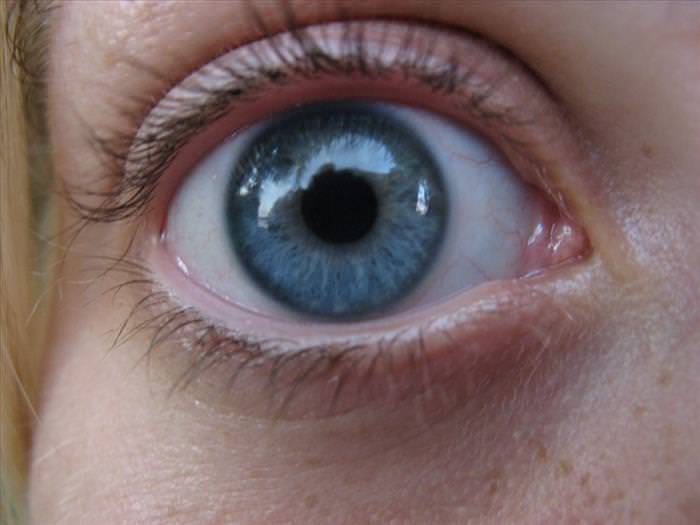
Bionic Lenses for Perfect Vision
Patients can now have eyesight better than 20/20 vision thanks to Ocumentic Technology Corp., which has spent $3 million over the course of eight years to develop bionic lenses. The surgery to have the lenses implanted takes just eight minutes.
Ability to Transform Malignant Cells into Immune Cells Malignant leukemia cells may now be transformed into harmless immune cells, called macrophages, thanks to research conducted by scientists at Stanford University. This discovery could mean that human cancer cells could be turned into immune cells that destroy cancer and other pathogens in the near future. Content Sources: UPI, Livescience, Nature.com |
10 Real-Life Technologies That Science Fiction Foretold
Sometimes even the wildest science-fiction predictions about the future come true.
6:46
The Rise and Fall of BlackBerry: A Fascinating Story
Remember not too long back almost everyone had a BlackBerry? So, what exactly happened to it?
New Invention Brings 6G Closer Than Ever Before
The advent of a chip-sized microwave photonic filter may soon lead to 6G wireless communication, according to researchers.
Natural Compound in Essential Oils May Benefit Parkinsonโs
A plant-based compound called farnesol is capable of preventing the brain cells affected by Parkinsonโs disease from dying off.
5:06
Why Does Your Touch Screen Only Work With Your Fingers?
We finally found it. A short video explaining exactly how a touch screen works!
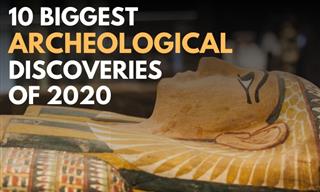
10 of the BEST Archeological Discoveries Made in 2020
Many people donโt know that 2020 was an extremely fruitful year in the realm of archeology, with several world-changing discoveries being made around the globe!
This New Blood Pressure Drug Could Be a Game-Changer
Zilebesiran, an investigational drug that is showing profound success in late-stage clinical trials is offering hope for millions who struggle to keep their blood pressure in check.
1:17
The Age of the Affordable Android Robots is Here...
Meet the Unitree R1 โ the game-changing humanoid robot that just shattered every price expectation in robotics.
New Research Shows Eating Sweets Won't Make You Crave More
A groundbreaking new study challenges conventional wisdom, suggesting our preference for sweet tastes may be more stable than we think.
10:46
12 SUPER COOL Military Inventions Youโve Never Seen
Check out this list of amazing new military innovations. They will transform warfare in the near future!
8 Biggest Mysteries Still Surrounding the Human Body
Although modern science has revealed much about the human body, there are some things that still remain unknown. Here are the 8 biggest mysteries about it.
What is the Troxler Effect and How Does it Affect You?
Learn about Troxler's effect and the optical illusions it creates in life.
8:48
Fascinating: What Around Us is Invisible?
The Invisible Things that Turn the World...
4:51
The Oldest Medicines That Have Stood the Test of Time
Learn about some fascinating old medicine and general healing practices that have survived for thousands of years.
Could This Popular Ingredient Be a Cause of Cancer?
The chemical triclosan began to appear in a multitude of products in the early 1970s. This ingredient, found in a multitude of products has been linked to cancer.
10:59
Fascinating Science: How Sand is Turned Into Glass
Have you ever looked through a window and wondered how it was made from simple beach sand? This video shows you that incredible process.
6:15
K2-18b: The Exoplanet That Might Host Alien Life
Astronomers have detected signs of posisble life in the atmosphere of exoplanet K2-18b.
These Underwater Craft Are Changing Marine Science
Here's a look at the most remarkable machines currently expanding our understanding of the underwater world.
8:11
Fascinating: What is the Deepest Hole Humanity Has Dug?
This video explains how low humanity has dug down so far.
These 11 Brain Facts Are Enough to Boggle Your Mind
When you consider the sheer complexity of the human brain, it's difficult to wrap your head around it. Learn these 11 fascinating facts about the human brain.
Science: Can Plants That Come Back From the Dead Save Us?
These extraordinary organisms may hold the key to solving one of the world's most urgent problems: feeding a growing population on a warming, drying planet.
25 Pics Showing How People in the Past Imagined the Future
Letโs see how the people of the past imagined the future and find out if their fun predictions came true with these 25 vintage pictures
33:00
Like Clockwork: A Guide to Watches for Rookies
This is the complete beginner's guide to watches - the vocabulary, how these tiny machines actually work, the centuries of history that got us here.
11:02
Ever Wonder What Ancient Egyptian Sounded Like?
Researchers have used all the information we know to create what they think it may have sounded like.
Science News: AI-Designed Drugs Move to Human Trials
Isomorphic Labs, is positioning itself to begin human clinical trials of medications designed entirely through artificial intelligence, marking a potentially transformative shift in how we develop life-saving treatments.
3:55
50 Years Later, We're Debunking the Moon Landing "Hoax"
How do we prove to people the moon landing was real? By answering their doubtful questions in this video.
These Optical Illusions Will Shock Your Mind!
Optical illusions create miscommunication between our eyes and brain making, us see things that are not really there or not see things that are right in front of us. See for yourself.
Anti-Aging Science in 2026: What's Real and What's Hype?
Here's an honest look at where anti-aging medicine stands in 2026 - the promising, the disappointing, and the surprisingly simple things that still beat almost everything in a pill bottle.
Chronically Late? What Science Has to Say About You
There are 8 positive things that science says about late people that we all need to know.
19:39
Lecture: What is the Future of Humanoid Robots?
Get ready to meet the humanoid partners that will redefine how we live and work.
2:06
Can Your Brain Get to Grips with These Weird Illusions?
I could have sworn what I was seeing in this video was real! But it wasn't. It was all just an illusion.
9:03
24 Unbelievable Abilities Your Body Has
The human body is a complex and endlessly fascinating machine, and it might be even more sophisticated than you know...
10:48
Cutting Edge: Translating Thought to Speech is Here!
As a pioneer in Neuralinkโs VOICE clinical trial, Kenneth is testing a breakthrough brain-computer interface designed to translate thoughts directly into speech.
Remembering the Life and Wisdom of Stephen Hawking
Stephen Hawking possessed one of the greatest minds the world has ever seen, but was also impaired by a debilitating disease. Here are his life ant times.
18:14
Are These Vintage Kitchen Gadgets Any Good?
Will any of the vintage kitchen gadgets stand the test of time or outperform their contemporary alternatives?
8:44
What Does an Atom Really Look Like?
In this video, we'll try to visualize what an atom actually looks like.
Hubble Telescope: 35 Years of Incredible Photos
Exploring 35 years of reality-changing, universe-enhancing photos that opened the sights of outer space to us all.
Space Looks Breathtaking in These Amazing Photographs
There are some absolutely stunning photographs of space out there today, You won't believe how incredible it is!
10:19
What a Bullet Blast Looks Like Underwater!
The slow motion kings are back with incredible effects.
36:24
Ever Wonder How a Steel Locomotor Works?
Letโs take a closer look at the engineering behind these compact workhorses.
5:17
How Exactly Do We Hear? All is Revealed Here!
In this informative TED-Ed video, Douglas L. Oliver explains the complete science behind hearing.
10:30
China's Crazy Plan to Dig a Canal in the Middle of EUROPE
China is setting out a plan to dig a canal through the middle of Europe in the nearest future, but why?
6:47
7 Exciting Physics Tricks You Have to See!
Watch these seven remarkable physics tricks in this exciting and fun video.
New Study: Dopamine Does Way More Than We Thought!
How the brain's reward system physically rewires the motor cortex during skill learning โ and what happens when that reward signal gets cut off.
9:09
Protective Measures: How Our Body Reacts to a Tattoo
In this video, weโll explore the microscopic war raging beneath your skin, where millions of your cells make the ultimate sacrifice to lock that ink in place, turning a defense mechanism into lifelong art.
9 of the Greatest Unsolved Mysteries About the Universe!
The universe has been around for close to 14 billion years, but it still holds many mysteries that continue to perplex scientists. Here's 9 of them!
4:20
Ever Wondered About How Our Minds Retain and Lose Memories?
Ever wondered why you can remember something from 20 years ago, but have difficulty remembering what you had for lunch the other day? Learn why here.
To enable your Ad-Free Subscription, please fill the fields below
Your subscription was successful, now you can enjoy an ad-free experience!! Note: To make sure you get no ads, please make sure to log in to your account. If you are logged in already, then refresh the page. The subscription can be cancelled at any time.