
Grocery shopping has become increasingly stressful as prices continue to climb. Many shoppers find themselves struggling to balance their budgets while still putting nutritious food on the table. But a straightforward shopping strategy is helping people solve both problems at once.
The concept is elegantly simple: structure your weekly shopping around specific food categories with set quantities. This approach helps you save money, reduce food waste, and ensure you're eating balanced, healthy meals throughout the week.
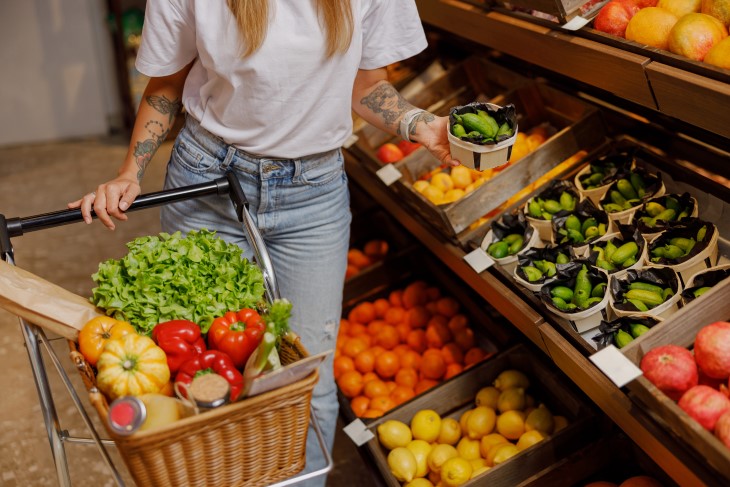
The formula breaks down like this for one person's weekly groceries:
You can also select "free" items - staples you use regularly like milk, butter, flour, and seasonings that don't count toward your categories.
For households with multiple people, simply multiply the quantities accordingly. The beauty of this system is its flexibility. You're not locked into specific foods, just categories that naturally guide you toward balanced nutrition.
This structured approach offers several advantages over wandering the aisles and grabbing whatever catches your eye:
Budget control: By limiting yourself to predetermined quantities, you avoid impulse purchases and overspending. You know exactly what you need before entering the store.
Less food waste: When you plan meals around specific ingredients, you're more likely to use everything you buy. Nothing sits forgotten in the back of the refrigerator until it spoils.

Nutritional balance: The formula naturally ensures variety across food groups. You're getting produce, protein, and carbohydrates in healthy proportions.
Simplified meal planning: With your ingredients already selected, putting together meals becomes much easier. You can mix and match your purchases in different combinations throughout the week.
Nutrition experts recommend several approaches to maximize this method's effectiveness:
Choose a rainbow of produce: Aim for different colors when selecting vegetables and fruits. Different colors indicate different nutrients, so variety ensures you're getting a broad spectrum of vitamins and minerals.
Think frozen: Frozen vegetables and berries are just as nutritious as fresh options but last longer and often cost less. They're perfect for later in the week when fresh produce might spoil.
Consider dual-purpose vegetables: Bell peppers work raw as snacks, roasted in tacos, or stir-fried with other dishes. Cherry tomatoes go in salads, salsas, or roasted for pasta sauce. Versatile vegetables help you avoid meal monotony.
Diversify protein sources: Try selecting one land-based protein like chicken or beef, one seafood option, and one plant-based choice such as tofu, beans, or lentils. This variety keeps meals interesting while providing different nutritional benefits.
Schedule strategically: Plan which foods to eat when. Use leafy greens early in the week before they wilt. Save frozen items, canned fish, and heartier produce like bananas or citrus for later days.
Embrace whole grains: When choosing your carbohydrate, opt for whole-grain versions. Oats, quinoa, whole grain bread, pasta, and tortillas provide more fiber and nutrients than refined alternatives.

Make sauce count: A simple sauce can transform basic ingredients into completely different meals. The same chicken, rice, and broccoli becomes an entirely new dish with hot sauce, teriyaki, tzatziki, or pesto.
Enjoy your treat guilt-free: Since the rest of your purchases focus on nutrition, there's no reason to stress about your treat selection. Choose something you genuinely enjoy, whether that's ice cream, chips, or baked goods.
One shopper who tested this method found it remarkably effective. Her weekly list included frozen broccoli, tomatoes, frozen corn, lettuce, and a pepper-onion mix for vegetables. For fruits, she chose bananas, frozen blueberries, avocados, and orange juice. Her proteins were frozen fish, chicken, and a small steak. She rounded things out with pasta sauces, linguini, and gingerbread scones as her treat.
Throughout the week, she enjoyed fruit salads, yogurt, and oatmeal for breakfast. Lunches and dinners featured fish with salad, broccoli with steak, chicken with corn, vegetable stir-fries, and pasta dishes. The variety kept meals interesting, and the structure kept her on budget.
Her main tip: buy sufficient portion sizes. Instead of one piece of fresh fish, choose a bag of frozen fish for multiple meals at a better price point. The same goes for frozen produce - larger bags provide better value and ensure you have enough for the entire week.
This shopping formula isn't rigid. After trying it a few times, you'll discover which combinations work best for your tastes, cooking style, and schedule. Some people might prefer more proteins and fewer carbs. Others might want extra vegetables and fruits.
The key is using the structure as a guide rather than a strict rule. It prevents both overspending and under-planning, two common grocery shopping pitfalls. You're buying enough food for balanced meals without excess that leads to waste.
Start by thinking about meals you already enjoy making. What vegetables, proteins, and other ingredients do those dishes require? Use this method to ensure you have what you need on hand, with built-in variety to keep things interesting.
The approach works because it combines intentionality with flexibility. You're making conscious choices about nutrition and budget, but you're not locked into a rigid meal plan that feels restrictive or boring. It's a practical middle ground between careful planning and creative freedom - exactly what most busy people need from their grocery shopping routine.