Type 2 Diabetes is a global problem and a terrible disease for those who suffer from it. How much do you know about this disease that is putting much of the world's population at risk?
Diabetes (mellitus) is defined as:
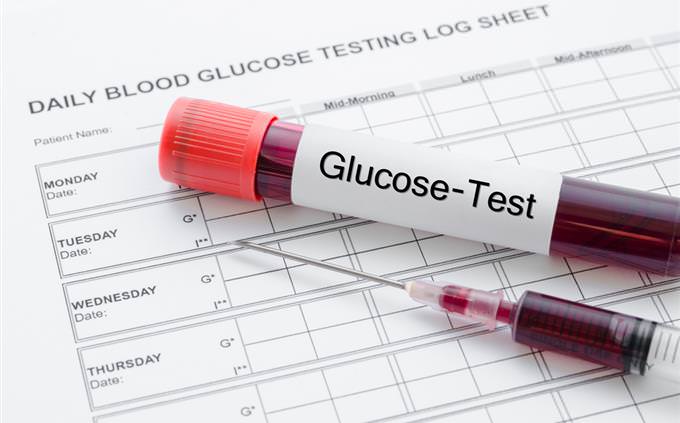
pecifically, diabetes is diagnosed if you have a before breakfast (fasting) plasma glucose of 126 mg/dl or higher, and/or a plasma glucose of 200 mg/dl or higher after an oral glucose tolerance test.
Too much sugar or glucose in your blood stream
Too much insulin, a hormone, in your blood stream
Weighing too much
Not enough iron in your blood
Which of these is NOT a symptom of Diabetes?
Excessive Thirst
Frequent Urination
Fatigue
Nausea
Weight Loss
Hair Loss
Blood glucose levels respond to food, particularly carbohydrates. What other factors can affect blood glucose levels?
Physical Activity
Illness
Stress
All answers are correct
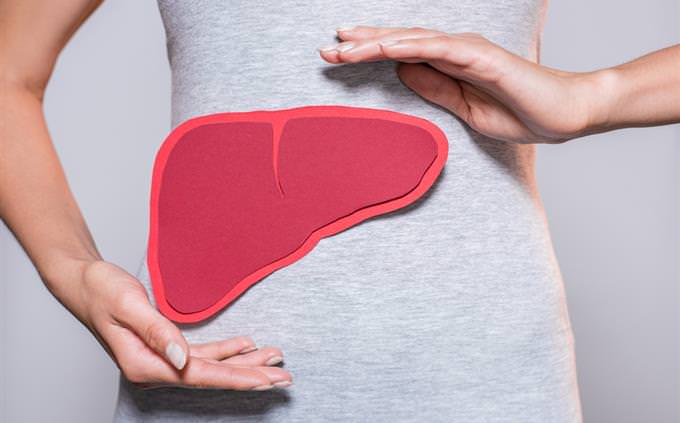
True or False: Type 2 diabetes is a disease in which the liver does not produce enough insulin and your body does not use the insulin properly.
True
False, it is the pancreas
What type of food raises blood glucose levels?
Carbs are turned into sugar.
Pasta, rice and noodles
Fatty meat
Eggs
Fish
Which of these ethnic groups is most likely to develop type 2 diabetes?
ccording to the CDC, African Americans, Hispanic/Latino Americans, American Indians, and some Asian Americans and Native Hawaiians or other Pacific Islanders are at particularly high risk for type 2 diabetes.
Caucasians
Indian
Middle-Eastern
African American
People with diabetes are at higher risk for which of these as well?
Nerve Damage
Lung cancer
Stroke
Bone depletion
Why is insulin important for your body to use blood sugar?
Insulin unlocks the "cell door," allowing blood sugar to move from the bloodstream into your cells.
It helps blood sugar enter your cells
It lowers your blood pressure
It raises your cholesterol levels
It keeps your sucrose levels normal
Out of all people who have diabetes, how many have Type 2 Diabetes?
About 10%
More than 40%
About 75%
More than 90%
How often should people with diabetes have their feet checked?
Self check every day and check with a podiatrist twice a year
Self check every week and check with a podiatrist once a year
Self check every day and check with a podiatrist every month
Check with a podiatrist every month
True or false: Any amount of exercise, no matter how intense, helps reduce your risk of Type 2 Diabetes.
Studies (BMC Public Health) have shown that you must have vigorous intensity levels in your exercise because moderate exercise alone will not lower your risk
True
False
Consumption of this food is associated with a lower risk of type 2 diabetes.
Several prospective cohort studies from the US and around the globe have shown that regular coffee consumption has been linked with a lower risk of type 2 diabetes, apparently independent of caffeine content.
Coffee
Red Meat
White Rice
Coca-Cola
Foods like certain leafy greens, nuts, berries and beans take longer to be broken down into glucose. In other words, they have a low...
Foods with a low glycemic index have been shown to decrease one’s risk of developing diabetes and help control high blood sugar for people living with diabetes.
Insulin Level
Peptide Index
Solubility
Glycemic Index
True or False: Most people with Diabetes can feel their blood sugar getting high
You may feel just fine even though chronically high blood sugar levels are doing serious damage to your body. That's why people usually use devices to measure.
True
False
Try Again?
Unfortunately it seems like you still have a lot to catch up on when it comes to Type 2 Diabetes. This is a disease suffered by 350 million people worldwide, and growing, and we are all in risk of it. It may be worth your while to study on the risk factors and prevention methods, to avoid this disease yourself.
You have shown that you are not ignorant on this subject. This is a disease suffered by 350 million people worldwide, and growing, and we are all in risk of it, so it's great that you know about it. That said, there is still room for improvement so why not try for a higher score or, alternatively, check out your mistakes.
Wonderful! We're so happy you know all about this terrible disease. This is a condition suffered by 350 million people worldwide, and growing, and we are all in risk of it, so it's great that you know about it, what to watch out for and how to minimize your risk of suffering it. Good show, dear reader, good show!
Subscribe and REMOVE ALL ADS
LOVE our articles but HATE our ads? For only $3.89 per month, enjoy a seamless, ad-free experience that lets you focus on what matters most — enjoying all of our content, uninterrupted. 🔒 100% Secure Payment 📅 Cancel Anytime, No Strings Attached Unlock a cleaner, faster browsing experience today and gain the freedom to navigate without visual clutter.
Ready for a Ad-Free experience? Upgrade now for just $3.89/month!
To enable your Ad-Free Subscription, please fill the fields below
Thank you for your subscription!
Your subscription was successful, now you can enjoy an ad-free experience!! Note: To make sure you get no ads, please make sure to log in to your account. If you are logged in already, then refresh the page. The subscription can be cancelled at any time.
This content is reserved for our members
Join Our Community for FREE and Enjoy:
Full and free access to ALL content.
The 'Daily Mail' service sends the highest quality and the most fascinating content directly to your inbox.
 Shai K.
1/26/2021
Shai K.
1/26/2021










 Go to BabaMail