
Cancer is something most of us associate with aging, but a disturbing new trend is forcing doctors to rethink that assumption. According to a major new report from the American Cancer Society (ACS), colorectal cancer - once considered largely a disease of older adults - is now striking younger people at rates that have experts genuinely alarmed.
What IS Colorectal Cancer?
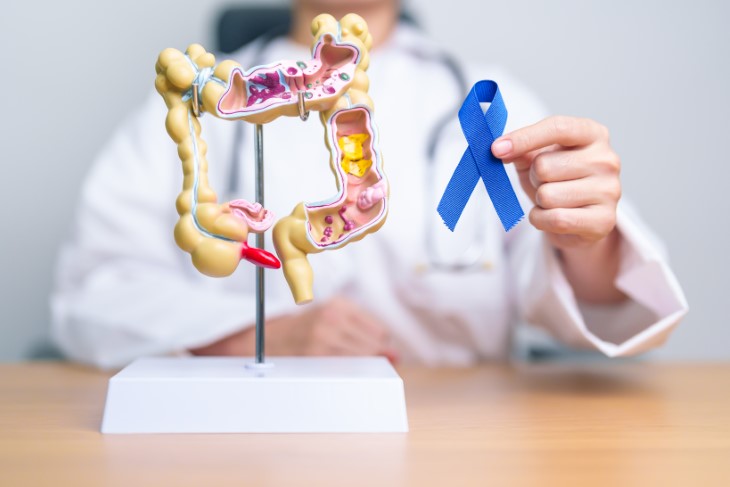
Colorectal cancer is cancer that starts in the colon or the rectum - the final sections of the digestive system. The colon (large intestine) absorbs water and nutrients from digested food, while the rectum stores waste before it leaves the body. Cancer in either location is grouped together under the term "colorectal" because they share many similar characteristics and risk factors.
Most colorectal cancers begin as small, benign growths called polyps on the inner lining of the colon or rectum. Over time - usually years - some of these polyps can turn cancerous. This is actually why screening is so effective: catching and removing polyps early can prevent cancer from developing in the first place.
It's the third most commonly diagnosed cancer in both men and women in the U.S., and the second leading cause of cancer-related death overall. As the article we just worked on covers, it's now the number one cancer killer in Americans under 50.
The Report
The report, published in CA: A Cancer Journal for Clinicians, found that while colorectal cancer rates in the United States have overall declined by nearly 1% annually between 2013 and 2022, that progress is almost entirely driven by improvements in older age groups. Among adults 65 and older, cases dropped by about 2.5% per year. But for younger generations, the picture looks very different - and very worrying.
The Numbers Are Hard to Ignore
Cases among adults aged 50 to 64 have been creeping upward by 0.4% annually. More alarming still, colorectal cancer diagnoses in adults aged 20 to 49 have been rising by roughly 3% every single year. The ACS now projects that nearly half of all colorectal cancer diagnoses in 2026 will be in people under the age of 65 - compared to just 27% back in 1995.
The ACS estimates there will be around 158,850 new colorectal cancer cases in the United States in 2026 alone. One-third of the expected 55,000 deaths from the disease this year are projected to occur in people younger than 65.
Even more sobering: colorectal cancer is now the leading cause of cancer-related death in Americans under 50, and the second most common cancer-related killer among the general adult population.
"Despite decades of progress in the fight against cancer, colorectal cancer death rates are increasing among younger men and women," said Nikita Wagle, PhD, a principal scientist in cancer surveillance research at the ACS. "It is important that we intensify research to uncover the causes as well as take action to prevent these deaths."

What's Driving This Rise?
Researchers and clinicians who work with colorectal cancer patients every day say the statistics reflect what they're already seeing in their practices. Nilesh Vora, MD, a medical oncologist at the MemorialCare Todd Cancer Institute in Long Beach, California, said the numbers came as no surprise. "It doesn't change the concern I already have about this trend," he said.
Geoffrey Buckle, MD, a gastrointestinal oncologist at the University of California San Francisco, said the report aligns with what his team sees daily. "We are seeing a growing incidence of colorectal cancer that is indeed alarming. The statistics reflect what we see in our clinics every day."
More than half of all colorectal cancer cases are linked to modifiable risk factors, according to the ACS. These include smoking, unhealthy diet, high alcohol consumption, physical inactivity, and excess body weight. But experts believe there may be additional forces at work in younger generations specifically.
Rising obesity rates, sedentary lifestyles, and diets heavy in ultra-processed foods and red meat are widely cited contributors. Some emerging research has pointed to microplastics as another potential factor - younger adults tend to carry higher cumulative levels of microplastics in their bodies, which some scientists believe may be influencing cancer risk. Another theory suggests that DNA-damaging toxins produced by certain strains of the bacteria E. coli could also be playing a role.
Wagle noted that these newer environmental exposures may be especially significant for younger generations. "Since the late 20th century, there have been many newer exposures, such as ultra-processed food and microplastics, that may influence cancer risk, and to which younger generations have had greater cumulative exposure than older adults," she explained.

A Trend That's Been Building
The rise of early-onset colorectal cancer has been gaining attention for several years. The issue came to wide public awareness in August 2020, when actor Chadwick Boseman - beloved for his role in Black Panther - died from colon cancer at just 43. In early 2025, actor James Van Der Beek, best known for his role in Dawson's Creek, passed away from colon cancer at 48. A 2024 study also found that colorectal cancer cases among U.S. teenagers had tripled between 1999 and 2020.
Researchers have also confirmed that rectal bleeding is a particularly strong warning sign of early-onset colorectal cancer in adults under 50 - one that should never be dismissed or ignored.
Know the Warning Signs
One of the biggest challenges with this trend is that many younger adults simply don't consider themselves at risk, leading to delayed diagnoses and worse outcomes. Buckle stressed the importance of awareness. "There is a definitive lack of recognition," he said.
Doctors urge younger adults to take the following symptoms seriously and seek medical attention promptly if they experience:
Family history also matters. Adults with a close relative who has had colorectal cancer face a significantly elevated risk and should speak with their doctor about earlier screening.
When Should You Get Screened?
In response to these trends, the U.S. Preventive Services Task Force revised its guidelines and now recommends that colorectal cancer screening begin at age 45 for most adults - ten years earlier than previous recommendations. Screening options range from a full colonoscopy to convenient, accurate at-home stool-based tests.
Vora emphasized that screening shouldn't wait for symptoms to appear. "You should get screened on time for colorectal cancer even if you don't have symptoms. And if you have symptoms, seek medical care as soon as possible."
What You Can Do Starting Today
The encouraging side of this story is that a significant portion of colorectal cancer risk is within your control. Doctors recommend regular exercise, maintaining a healthy weight, and building a diet around fresh fruits and vegetables while cutting back on red meat, sugar, and ultra-processed foods. Avoiding smoking and limiting alcohol consumption are also strongly advised.
Colorectal cancer no longer follows the old rules about who it affects. Recognizing that it can strike at any age - and acting accordingly - may be the most important thing younger adults can do for their long-term health.