
A comprehensive study by the American Heart Association reveals alarming findings: smoking just 2 cigarettes per day doubles the risk of heart disease and increases mortality risk by approximately 60%. Dr. Leonardo Fox, director of a lung disease prevention center, emphasizes: "There's no such thing as safe smoking. Even 2-5 cigarettes a day cause permanent damage and significant risk for heart disease and death. The recommendation is clear – don't reduce, quit completely."
If you're one of those people who reassures themselves with the phrase "I only smoke a cigarette or two a day," you should know that your body isn't buying it. A large-scale study by the American Heart Association (AHA) reveals that even low tobacco consumption is far from being less dangerous: even a few cigarettes a day double the risk of heart disease and premature death.

The researchers emphasize that there is no safe threshold for tobacco consumption. Reducing the amount doesn't protect the heart, nor does it significantly reduce the cumulative damage to blood vessels. According to them, the only way to reduce the risk is complete cessation of smoking – not an attempt to "balance out" with a few cigarettes a day.
The data was published in the medical journal PLOS Medicine and is based on a comprehensive analysis of 22 longitudinal studies involving more than 320,000 adults. As part of the study, participants were divided into three groups: people who never smoked, active smokers, and former smokers. The researchers examined not only who smokes and how much, but also the number of cigarettes per day, years of smoking, and the time that had passed since former smokers quit completely.
This approach made it possible to identify the connection between "light" smoking and the risk of heart disease and premature death, and to assess whether reducing the number of cigarettes – rather than complete cessation – is really enough to protect the heart.
Dr. Leonardo Fox, a pulmonary medicine specialist and director of a lung disease prevention center, says the findings reinforce well-known medical knowledge: "This study only confirms what pulmonologists have been saying for years. The researchers followed hundreds of thousands of people and examined their medical data over time. They showed clearly – both statistically and medically – that even those who smoke very little, even 2 to 5 cigarettes a day, are at significant risk. Even such an amount causes permanent damage, especially to heart and blood vessel diseases. It was found that the risk of dying from heart disease is up to 60% higher compared to those who don't smoke at all."

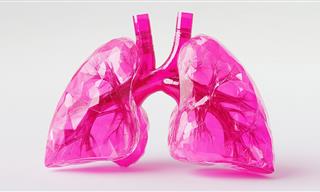
According to him, the common mistake is thinking that light smoking is "less harmful," but the body responds differently: "People tell themselves 'I only smoke a little,' but even light smoking causes damage to lung tissue, chronic inflammatory response, and ongoing damage. We see this in obstructive lung diseases like COPD, lung cancer, and mortality. There's no such thing as safe smoking. Even a little – is harmful."
After analyzing the relationship between smoking extent and morbidity and mortality, the researchers found that active smokers are at twice the risk of death from any cause – compared to people who never smoked. Even those who define themselves as "light smokers" are not protected: smoking just 2-5 cigarettes a day was associated with doubling the risk of heart disease and an approximately 60% increase in the risk of death from any cause, relative to non-smokers.
The American Heart Association noted that "smoking two to five cigarettes a day may double the risk of any heart disease and increase the risk of death from any cause by 60% compared to those who have never smoked."

The study also shows that health benefits begin to appear from the moment you stop smoking. The decrease in risk for heart disease and mortality appears already in the first years, especially during the first decade without smoking. After about 20 years of abstinence, the risk is about 80% lower compared to active smokers. However, the researchers note that in many cases it may take 30 years or more for the risk to approach the level of those who never smoked.
Dr. Fox emphasizes that reducing the number of cigarettes is not enough: "Although there is appreciation for those who have reduced smoking, it's not enough. The damage continues to accumulate. The clear recommendation is complete cessation, based on solid research like this."
According to Dr. Fox, quitting smoking doesn't "cure" everything, but allows significant recovery of the body: "The greater the damage caused, the harder it is to recover. But when you stop smoking, within a decade you can see a significant decrease in the risk of functional deterioration and lung diseases. There are areas that were damaged irreversibly, but there are healthy areas that can still be recovered if given the chance."
He adds: "It's like a ship where one of the sailors is drilling holes in it. Water penetrates inside, and any small iceberg could cause great damage, because it's already weakened. When that sailor stops drilling – the ship is still damaged, but it's less vulnerable, and there's an opportunity to start fixing what can be fixed. That's how the body works too: the moment you stop the damage, it gets a real chance for recovery."
According to him, a person should take two parallel actions: "Stop smoking – stop introducing toxins that create damage, and generally stop consuming dangerous substances; and do good – physical activity, proper nutrition, maintaining heart and kidney health. Everything is connected. The moment you stop harming, the body gets a real opportunity to repair."
It should be noted that the study did not examine the use of e-cigarettes or other tobacco products. The researchers also emphasize that some participants may have under-reported their smoking extent – especially women, due to the social stigma around smoking.
The research message is unequivocal: there is no safe level of smoking. Even "light" smoking of a few cigarettes a day doubles the risk of heart disease and significantly increases mortality risk. The only effective way to protect health is complete cessation of smoking – not reduction. While the body can begin to recover after quitting, some damage may be permanent, making prevention and early cessation crucial for long-term health.