
Wallpaper can look beautiful when it's first installed, but over time even the highest-quality patterns can start to look dated or worn. When you're ready for a fresh look, removing old wallpaper and replacing it might feel overwhelming. The good news? You can often paint directly over wallpaper instead. This guide will help you determine when painting over wallpaper is a viable option and walk you through the process step-by-step.
Is Painting Over Wallpaper a Good Idea?
Ask any painting professional or paint manufacturer, and they'll typically recommend removing wallpaper completely and eliminating any leftover adhesive before painting. However, there are legitimate situations where removing wallpaper can actually cause more harm than good. If the previous installer applied wallpaper directly to unfinished drywall or plaster, attempting removal could seriously damage the underlying wall. Additionally, if there are multiple layers of wallpaper on your walls, the removal process becomes exponentially more complicated and time-consuming.
You can successfully paint over wallpaper if it's smooth and in good condition. This means the paper shouldn't have scratches, peeling sections, or tears. If these issues exist, they'll show through the paint and make your wall surface look ragged and uneven. While it's technically possible to paint textured wallpaper, be aware that your finished wall won't have a flat, smooth appearance.
Avoid painting over wallpaper when it's peeling in multiple spots or when you're dealing with certain wallpaper types, particularly fabric-backed vinyl. Interestingly, fabric-backed vinyl and similar wallpapers that shouldn't be painted are often quite easy to remove. Conversely, wallpapers that are suitable for painting tend to be difficult to strip away.
Before committing to painting over your wallpaper, test a small corner section to see if removal is feasible. Let your results guide your decision. Keep in mind that while removing wallpaper can be tedious, removing wallpaper that's been painted over is significantly more challenging.
Once you've decided to paint over your wallpaper, follow these steps for the best results.
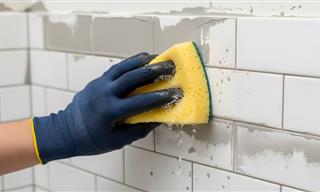
Every wall needs primer before painting, whether it's bare or wallpapered. Before applying primer, you must clean the walls properly. Use a barely damp cloth to wipe away dust and dirt from the surface. Primer won't adhere properly to dusty walls.
For walls with grease and grime buildup—common in frequently used kitchens—clean them with a diluted trisodium phosphate (TSP) solution. Be careful not to oversaturate the walls with water or cleaning solution, as this could soften the adhesive beneath the wallpaper and cause loosening or bubbling.
Allow at least 24 hours for the walls to dry completely.
After washing your walls, inspect them carefully for peeling edges or loose seams. These areas have compromised adhesion. Many experts suggest applying a thin layer of wallpaper seam adhesive to reattach these loose fragments.
Alternatively, you can lift loose areas with a thin putty knife, cut away the loose portions, fill the gaps with spackle to create a level surface, and then sand lightly once completely dry.
If your wallpaper has texture that you don't want visible through the paint, sand the entire wall until smooth using either a palm sander or orbital sander. After sanding, wipe away dust with a slightly damp cloth.
Use painter's tape to carefully mask off any molding, trim, wainscoting, or baseboards you want to keep paint-free.
Regardless of whether you plan to use an oil-based or water-based topcoat, always use an oil-based primer on wallpaper. Water-based primers can soak into the wallpaper and weaken the adhesive beneath.
After selecting your oil-based primer, use a brush to cut in along corners and edges, then switch to a roller for the larger wall sections.
Allow adequate drying time according to the manufacturer's instructions. Ensure proper ventilation by opening windows and running exhaust fans.
Once the wallpaper is cleaned, repaired, and primed, paint it just as you would any other surface. You'll likely need two coats of paint, especially if the wallpaper has a bold pattern or if you're covering dark-colored wallpaper with light-colored paint. Allow sufficient drying time between coats.
Like any home improvement project, painting over wallpaper has both advantages and disadvantages to consider.
Most professional painters will caution you about these potential problems:
Future removal difficulties: If you eventually decide to remove the wallpaper, you'll need to strip the paint first, making the project considerably more difficult.
Visible seams: Wallpaper seams may remain visible through the paint regardless of how many coats you apply.
Persistent patterns: Sometimes wallpaper proves harder to conceal than anticipated. Bold patterns and dark colors may show through your paint.
Despite potential challenges, painting over wallpaper offers several benefits:
Cost savings: Painting directly over wallpaper is cheaper than purchasing adhesive removers and other specialized tools needed for wallpaper removal.
Simple process: This is a straightforward project that most homeowners can tackle themselves, even without extensive DIY experience.
Time efficiency: Removing wallpaper before painting is extremely time-consuming. The removal process alone could take at least a full day before you even begin preparing the wall for paint.
Painting over wallpaper is a viable option when the paper is smooth and in good condition. Before committing to this approach, thoroughly inspect your wallpaper for rips, tears, peeling sections, and scratches. Once you've confirmed your wallpaper is suitable for painting, clean your walls and prepare the space properly. Always use an oil-based primer and protect edges and molding with painter's tape to prevent messes. Plan on applying at least two coats of paint to fully cover your wallpaper, and allow plenty of drying time before returning furniture to the room.