What Is a Stress Rash?
Although most of us find it difficult to conceptualize that an emotional state like stress could have a physical manifestation in our body, doctors have known for a while that stress can have an immediate effect on several bodily functions, suppressing our digestion, concentration, and sleep, and increasing blood pressure, to name just a few.
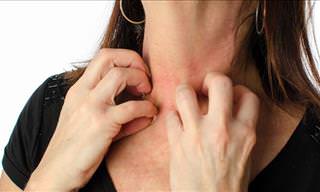
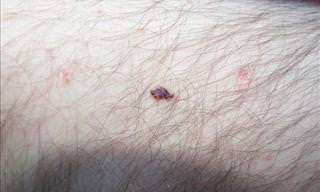
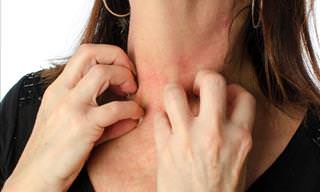
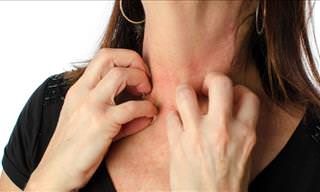
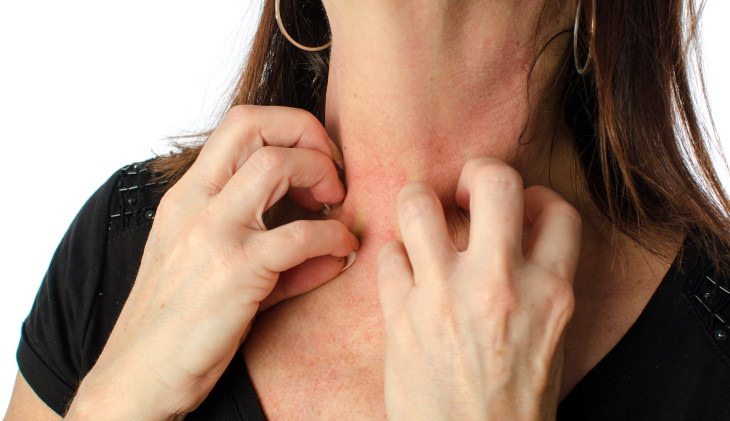
However, most people don’t know that high-stress situations can also make you break out in hives, which are known as a stress rash. This rash can appear anywhere, and it can look like a halo, a series of bug bites, or an allergic skin reaction. The bumps or welts that appear on the skin will likely be itchy and raised, and some people can even have burning or tingling sensations in the affected area.
Stress can also worsen chronic skin issues like psoriasis, rosacea, and eczema. Most people can develop a stress rash, but women are more susceptible to a stress rash, and so are people in the age range between 30-50 years old.
How Does One Treat a Stress Rash?
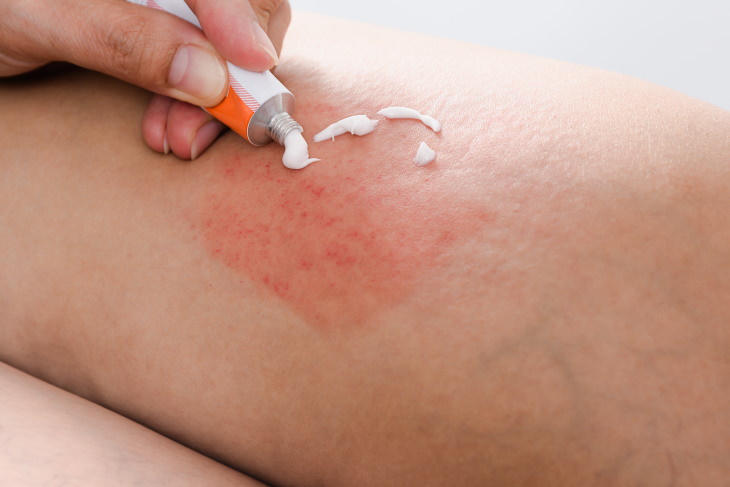
In most cases, a stress rash is not a cause of medical concern, although it can affect your self-esteem and be the cause of further stress. Since a stress rash can be difficult to distinguish from an allergic reaction and other skin conditions, a common indication by medical professionals is the application of topical allergy medication on the affected area or taking an over-the-counter antihistamine pill like:
- Loratadine (Claritin)
- Cetirizine (Zyrtec)
- Diphenhydramine (Benadryl).
You can also apply cold compresses on the area to find some relief from the itching and swelling. In addition, try to address the initial cause of the rash - stress, by engaging in relaxing and soothing activities, getting enough quality sleep, and engaging in mental relaxation techniques.
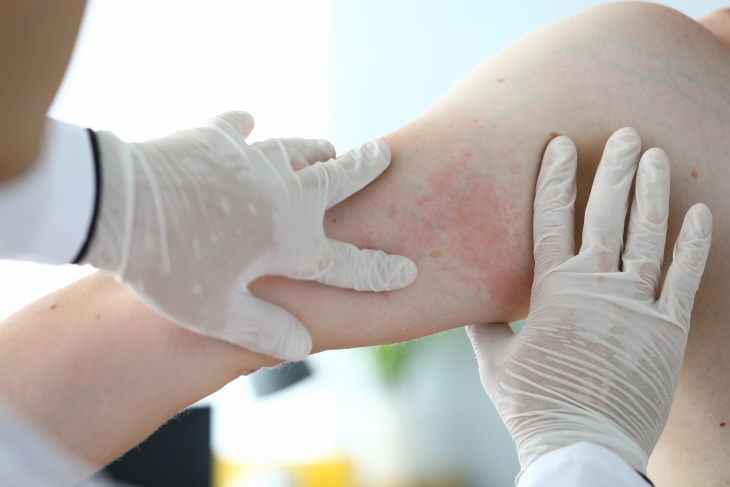
The hives should disappear on their own within 24 hours, but some people who experience extreme and constant stress can observe these symptoms for longer. Rarely, the condition can persist for 6 weeks or more, in which case you should seek medical help and will likely require additional treatments and checkups to rule out other health conditions.
You should also see a doctor if you see that your symptoms are getting worse, meaning that the rash is spreading, the hives grow and become angrier, you have a fever or experience pain in the area.
How to Prevent a Stress Rash
As may expect, the only way you can truly prevent the stress rash from recurring in the future is to reduce your overall stress levels. After all, a stress rash is your body's way of telling you that it's under too much mental pressure. We understand that it's easier said than done, and more often than not, it's impossible to just stop stressing out altogether since stress is a subconscious reaction to events in our lives.
That being said, a significant reduction of stress is an achievable goal for most people. Here are some science-backed stress-relieving tips and resources to consider:
- Exercise regularly, as it has been found that physical activity significantly decreases both stress levels and the level of inflammation in the body.
- Get plenty of sleep because it has been found that people who don’t sleep enough are significantly more stressed than those who do.
- Find the best stress-relieving technique for you, be it engaging in a hobby, meditation, psychotherapy, or spending time in nature. Even a simple mental exercise like mindful walking was found to have pretty amazing stress-relieving benefits.
For more tips on how to lower your stress levels, read our previous article: 20 Ways to Reduce Anxiety and Stress.


 Go to BabaMail