
|
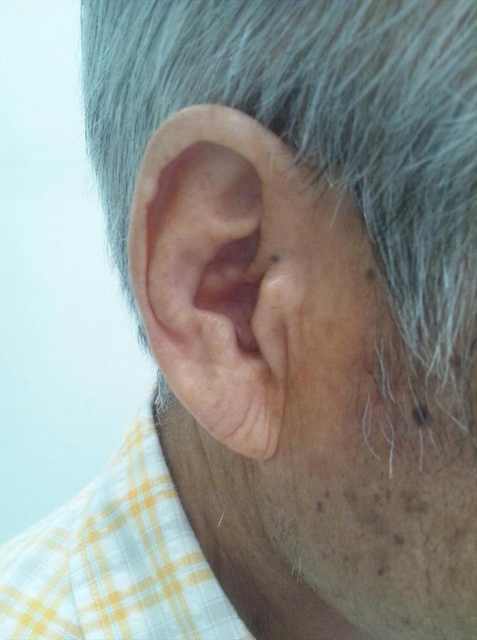
Could that small vertical mark on your ear have something to do with heart disease? Here is a simple test that could protect you from serious damage to your health.
But before you start worrying, here are some basic statistics and background on the test. Since Dr. Frank's studies were published, more scientists have looked into the correlation between the earlobe crease and heart disease.
One study conducted in 1980 found that there was no significant relationship between earlobe creases and coronary artery disease in American Indians, suggesting that "Frank's sign" may not have the same level of indication in other ethnic groups. Another study on Japanese Americans also found no correlation between earlobe creases and heart disease. Yet other scientists propose that because the studies are usually conducted on patients over the age of 50, the results may be biased as individuals naturally have a higher risk for these diseases as they age. It could be that earlobe creases are simply a sign of the natural aging process. Despite these doubts, most scientists and doctors agree that the appearance of an ear crease at the age of 50 and below could be a good indication that the body is not as healthy as it should be. For this reason, if you have an earlobe crease, or know someone with one, it is important to consult a doctor who can test your blood and determine if this odd indicator holds any truth. And remember, heart disease can be treated and even stopped in its tracks, and once it has disappeared, so too will the earlobe crease! |

Incredible Story: The Woman Who Can SMELL Parkinson's
In this piece, we'd like to introduce you to Joy's story, the series of events that led her to "encounter" Parkinson's disease, and its significance for the future of the medical world.
Multiple Myeloma: New Treatments in the Modern Age
New and innovative Treatments for Multiple Myeloma
Is Microsoft's "AI Doctor" Better Than a Real Doctor?
A new study presents a committee of digital doctors achieving approximately 80% accuracy in complex medical diagnoses – far beyond the average of general practitioners.
This New Blood Pressure Drug Could Be a Game-Changer
Zilebesiran, an investigational drug that is showing profound success in late-stage clinical trials is offering hope for millions who struggle to keep their blood pressure in check.
The Health Benefits of Garlic and Honey: Nature's Powerful Duo
Garlic and honey are two of nature's most treasured foods, used for centuries to support health and wellness.
The Musical Test That Could Detect Dementia Early
Researchers have developed a promising new approach: using music to detect the early signs of cognitive decline.
4:31
Is Your Supplement Safe? Try These Simple Tests to Know
How can you tell if a supplement is a fake? Watch this video to find out...
Diabetics at a Holiday Party: Essential Tips
Holiday parties don't have to derail your diabetes management. With smart planning and mindful choices, you can enjoy celebrations while keeping your blood sugar stable.
2:14
Why Eating Slowly Could Change the Way You Feel Every Day
Eating at a slower pace can be highly beneficial for your health in more ways than one.
Bananas Are Incredible. Here Are 14 Reasons Why!
We all know that bananas are full of potassium and vitamins, but did you know that this fruit can be used to treat our most common health problems?
5:35
The Real Cause of Stomach Ulcers Will Surprise You!
It’s a common misconception that stomach ulcers are caused by emotional upsets, spicy food, or psychological distress. But this is not the case...
No More Chemo: A New Treatment for leukemia
Until recently, patients whose leukemia advanced after these two lines of treatment faced poor prognoses. This has now changed thanks to advancements in treatment.
5:03
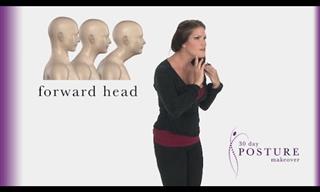
The Amazing Neck Exercise That Can Improve Your Posture
Let us show you how this quick daily practice can transform your neck health.
The Spleen – A Guide to a Little-Known Organ
The spleen is an oft-ignored organ of our body. However, it serves an important function and needs to be taken care of properly.
7:02
New Research Shows Surprising Way to Repair Damaged Nerves
This common deficiency could be damaging your nerves.
18:14
Drooping Eyelids Impairing Vision? Here Are The Options
Dr. Suarez explains various in-office invasive or un-invasive treatments meant to fix droopy eyelids.
Guide: How Meditation Can Prevent and Alleviate Migraines
While research is still emerging, several studies suggest that regular meditation practice may help reduce the frequency and severity of migraine episodes.
2:59
Dr. Explains: How Much Antioxidants Do Our Foods Contain?
Do you think you know which are the best lentils? Or what is the most recommended apple variety in terms of antioxidants? There are quite a few surprises here...
5:11
Do Potatoes Lead to Diabetes? An Expert Explains
Watch health expert Dr. Michael Greger explaining whether potatoes should be a cause for concern, what recent studies reveal, and how all of this relates to French fries and deep frying.
8:03
The 30-Second Ear Trick That Calms Your Nervous System
This quick ear exercise stimulates the vagus nerve, which plays a key role in relaxation and healing.
All About Gut Health, Prebiotics and Probiotics
Your beginner's guide to everything related to probiotics, prebiotics, and postbiotics.
Understanding the Early Detection of Breast Cancer
When breast cancer is discovered in its early stages, treatment success rates are remarkably high.
What to Know About Your Skin Barrier and How to Protect It
Your skin barrier is your body's first line of defense, protecting you from environmental threats while keeping essential moisture locked in. Understanding how it works and how to care for it is key to maintaining healthy, resilient skin.
4:52
What Would Happen to Our Bodies if We Didn't Drink Water?
Watch: What role does water play in our body and how much do we actually need to drink to stay healthy?
17:32
Your Lungs Will Be in Great Shape With These Exercises
Want to increase lung capacity? Use this wonderfully effective technique.
1 in 10 Arthritis Patients Develops a Hidden Lung Disease
American study reveals lung disease can develop silently in the first year of rheumatoid arthritis, particularly in older patients and those with high disease activity.
Un-Hunch Your Shoulders Easily With These 7 Exercises!
Got hunched shoulders? This guide will help you improve your posture.
8:43
Dr. Explains: How to Naturally Lower Your Blood Pressure
In this video, a board-certified doctor walks you through 10 scientifically proven lifestyle changes that can help lower your numbers—safely and naturally.
16:54
Watch How This 100-Year-Old Stays Sharp and Healthy
Is there a secret to longevity? Find out here...
7:01
What Your Feet Might Be Telling You About Your Health
Can your feet predict health problems? Let’s find out.
11:18
Stiff and Achy In the Mornings? Here’s What You Should Do
Take note of these useful morning stretches to get rid of pain and stiffness at the start of your day.
10:33
Lower Back Lost Mobility? Here's How to Self Pop It
Here's how to safely pop and release pressure from the spine, by yourself, using a foam roller.
4:29
What’s the Difference Between Depression and Sadness?
A video describing clinical depression, its attributes and how to help depressive individuals.
MDMA and Magic Mushrooms: New Hope for PTSD Treatment
In recent years, scientists have turned to an unlikely source for a breakthrough in PTSD: psychedelic drugs once known mainly for recreational use.
Fluoride vs. Fluoride-Free Toothpaste: Which Is Better?
In recent years we can see a rise in fluoride-free toothpaste. Do we really need it in our daily ritual? We set out to find all about fluoride.
2:06
9 Handy Body Tricks That You Will Use Again and Again!
Got a stuffy nose? Can't calm your urge to pee? Finding difficulty sneezing? Your body can save you if you know these 9 tricks!
Health Tip: What's Riskier, Sweet Drinks or Sweet Foods?
Why are sweet drinks more risky and harmful than sweet foods are?
8:05
How to Get Rid Of a Sore Throat: Remedies That Work
Troubled with a sore throat? These natural and safe remedies are proven to be effective.
Health Science: 5 Reasons People With Pets Live Longer
Five ways you may not have heard of or thought about, but have been scientifically proven!
Six Lifestyle Habits That Give Your Cholesterol a Spike
This article explores factors that can cause rapid cholesterol increase.
4:16
Is Stress Changing Your Brain? Here's How it All Works!
Are you forgetting little things, feeling irritable, or isolated? You may be suffering from chronic stress - here's an explanation of how you can overcome it!
9:58
Health Tips: Over 50? Steer Clear of These 5 Exercises
If you are over 50, then you must steer clear of these exercises.
16 Magnesium-Rich Snacks to Eat on the Go
Magnesium deficiency can lead to sore muscles, body tightness and constipation. These are foods rich in magnesium you can consume.
13:39
Yoga Your Way to a Healthier Heart: Simple Steps
These simple yoga poses boost heart health.
8:54
Did You Know Your Body Could Do These Incredible Things?
The human body is a fascinating and unique in so many ways. Here are some cool things about your body you probably didn't know.
Exercises: Four Areas in the Body Women Need to Strengthen
Get to know 4 very important areas every woman must strengthen - and of course, how to do so.
5:07
Forget Pills! Here's How to Naturally Ingest Aspirin
Did you know that aspirin's active ingredient can be obtained from many different kinds of plants? Find out more here.
To enable your Ad-Free Subscription, please fill the fields below
Your subscription was successful, now you can enjoy an ad-free experience!! Note: To make sure you get no ads, please make sure to log in to your account. If you are logged in already, then refresh the page. The subscription can be cancelled at any time.

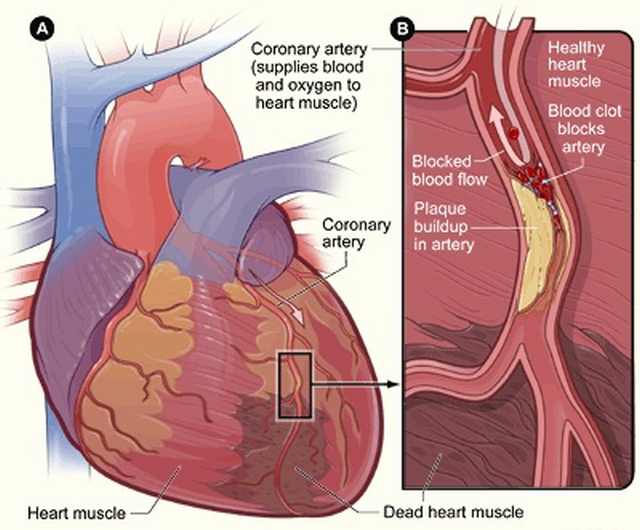
Biologically, ear creases result when the elastic tissue around the small blood vessels in the ear begins to degenerate. This is the same type of change that occurs in the blood vessels when one has coronary artery disease. Therefore, scientists concluded that the visible change in the earlobe could be an indication of more serious changes occurring in the blood vessels around the heart.