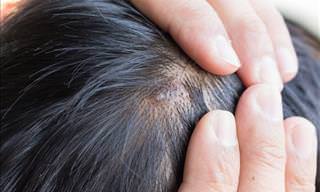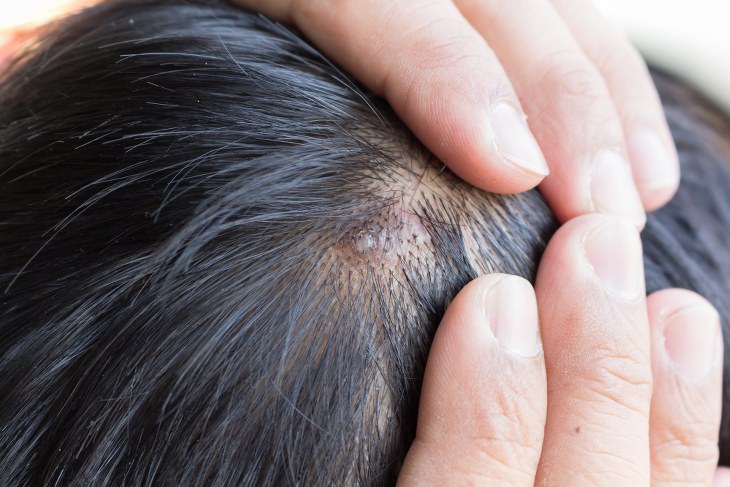
Scalp acne typically appears as small zits or pimples on the scalp, as well as on the back of the head, both of which can be sore and itchy. Like most kinds of pimples, the ones found on your scalp form after hair follicles or pores get clogged with sebum or dead skin cells. It is also possible for acne to appear after mites, yeast or bacteria have gotten into your pores, causing a reaction.
The most common acne-causing factors include:
• a buildup of products, such as hair gels, leave-in treatments, or hairspray
• oil or dead skin cells clogging your follicles
• not washing your hear after sweating a lot
• not taking the time to wash your hair thoroughly
• sweating while wearing hats or head coverings
The main germs that can cause severe scalp acne include:
• Cutibacterium
• Staphylococcus epidermidids
• Demodex folliculorum
• Staphylococcus aureus
• Propionibacterium acnes
• Yeasts from the Malassezia family
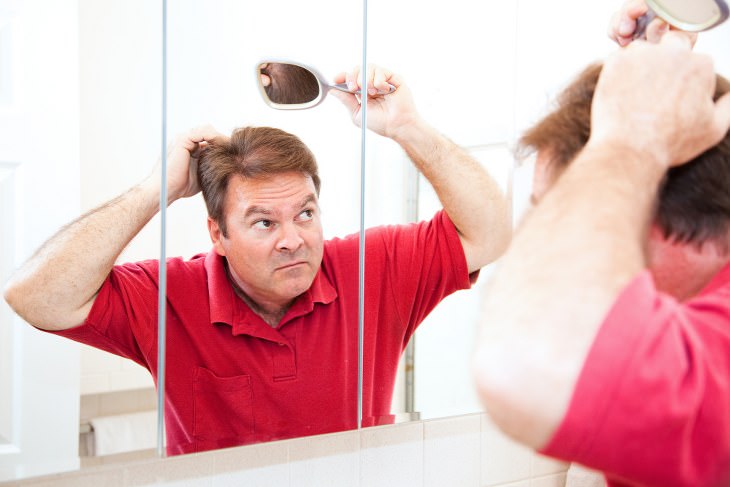
When spots appear on your scalp, they could appear for quite a number of reasons. Here are some of the most common ones:
Scalp folliculitis - this is a condition where bacteria causes your hair follicles to become inflamed and infected, resulting in the appearance of very itchy, small, red bumps.
Seborrheic dermatitis - this is a condition which causes dandruff and can leave the scalp looking red and scaly, which can leave marks that look like pimples if you pick at them.
Pilar cysts - these are hard bumps that are full of keratin, which form beside the hair root. These bumps do not usually have a white head, unlike scalp acne.

BONUS: An Expert's Take on Removing Scalp Zits

 Go to BabaMail